
Introduction
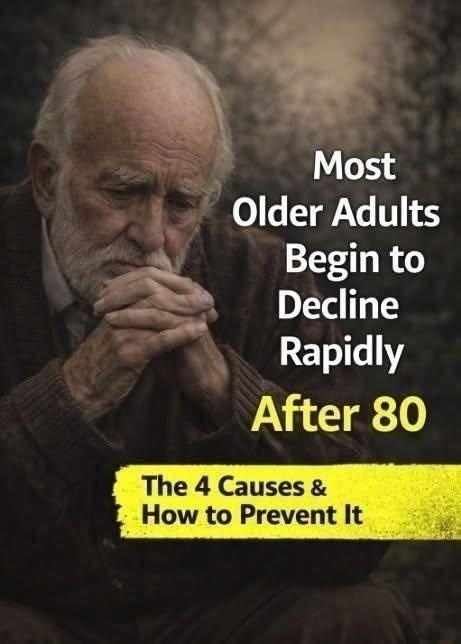
Reaching the age of 80 is a remarkable milestone, reflecting decades of lived experience, wisdom, and resilience. As global healthcare, nutritional science, and preventative medicine have advanced, more individuals than ever are living into their 80s, 90s, and beyond. However, geriatric health studies consistently observe that the decade following age 80 often brings significant changes in physical strength, functional independence, and cognitive energy.
While some functional changes are a natural part of the aging process, rapid decline is rarely an inevitable fate. In most cases, accelerated physiological decline after 80 is triggered by specific, identifiable biological and lifestyle factors. By understanding these root mechanisms, older adults, family caregivers, and health professionals can take proactive steps to safeguard healthspan and preserve quality of life.
In this comprehensive guide, we will analyze the primary physiological mechanisms behind aging past 80, detail the 4 main causes of rapid decline, explore practical prevention strategies, and highlight actionable daily habits to help maintain long-term independence.
1. The Biological Dynamics of Aging Past Age 80
Understanding how the human body evolves in its ninth decade helps demystify sudden shifts in energy, strength, and mobility.
Homeostenosis and Reduced Physiological Reserve
One of the central concepts in geriatrics is “homeostenosis”—the gradual decline in the body’s physiological reserve. In younger years, organ systems operate with substantial backup capacity, allowing the body to recover quickly from minor illnesses, injuries, or emotional stress.
After age 80, this physiological buffer narrows. As a result, minor events—such as a brief bout of flu, a minor fall, or a short hospital stay—can strain multiple organ systems simultaneously if preventative measures are not in place.
+--------------------------+------------------------------------------------------+
| Physiological System     | Primary Impact of Aging Past 80                      |
+--------------------------+------------------------------------------------------+
| Musculoskeletal System   | Accelerated loss of muscle density (sarcopenia) and   |
|                          | joint flexibility, increasing fall risks.           |
+--------------------------+------------------------------------------------------+
| Neurological System      | Subtle slowdown in nerve signal speed, requiring     |
|                          | active stimulation to maintain mental sharpness.     |
+--------------------------+------------------------------------------------------+
| Immune System            | Immunosenescence (aging of immune cells), making      |
|                          | infection recovery slower and more demanding.        |
+--------------------------+------------------------------------------------------+
2. The 4 Primary Causes of Rapid Decline After Age 80
Medical researchers and geriatricians point to four interconnected factors that drive accelerated health changes in adults over 80.
1. Progressive Sarcopenia and Physical Inactivity
Sarcopenia—the involuntary loss of skeletal muscle mass and functional strength—accelerates after age 80. When older adults reduce daily physical activity or spend prolonged periods sitting, muscle tissue deteriorates rapidly. This reduction in leg and core strength directly affects balance, making simple tasks like standing up or climbing stairs challenging and significantly increasing the risk of mobility loss.
2. Social Isolation, Loneliness, and Reduced Mental Stimulus
Human health is deeply connected to psychological engagement. After age 80, individuals may experience the loss of lifelong peers or face reduced mobility, leading to social isolation. Chronic loneliness increases systemic stress hormones like cortisol, elevates blood pressure, and contributes to cognitive fatigue. Without daily social interaction and mental stimulation, cognitive reserve declines faster.
3. Inadequate Nutrition and Unintentional Weight Loss
As adults age, appetite naturally wanes due to sensory changes, dental challenges, or altered digestive enzyme production. A lack of sufficient protein and caloric intake forces the body to break down its own muscle tissue for basic energy needs. Malnutrition accelerates physical frailty, weakens the immune system, and extends recovery times from minor illnesses.
4. Chronic Systemic Inflammation (“Inflammaging”) and Unmanaged Conditions
Aging is accompanied by a low-grade, chronic systemic inflammatory state often termed “inflammaging.” When underlying conditions such as hypertension, type 2 diabetes, elevated blood lipids, or joint wear go unmanaged, this persistent internal inflammation damages blood vessels, restricts oxygen delivery to vital organs, and triggers systemic fatigue.
3. Financial and Lifestyle Benefits of Proactive Senior Health
Taking steps to prevent rapid health changes after age 80 offers massive practical advantages for older adults and their families.
Minimizing Medical Expenses and Preserving Independence
Preventing physical frailty directly reduces hospital admissions, long-term care stays, and emergency medical intervention costs. Older adults who maintain functional strength and cognitive clarity save thousands of dollars annually in out-of-pocket care fees.
This financial security grants peace of mind, allowing seniors to retain their retirement assets and maintain control over their preferred living arrangements and personal routines.
Enhancing Quality of Life and Family Peace of Mind
Maintaining independence past 80 fosters deep emotional well-being, self-worth, and dignity. It allows older adults to continue participating in family gatherings, personal hobbies, and community activities while relieving loved ones of caregiving burdens.
Conclusion: Empowering Vitality at Every Stage of Life
While turning 80 introduces unique health considerations, rapid physical decline is far from inevitable. By identifying the root causes—muscle loss, isolation, inadequate nutrition, and systemic inflammation—older adults can take targeted control of their daily lives.
Through regular low-impact exercise, protein-focused nutrition, continuous social engagement, and proactive healthcare checkups, it is entirely possible to enjoy a strong, vibrant, and independent lifestyle well into your 80s, 90s, and beyond.
Practical Strategies to Prevent Rapid Decline After 80
- Prioritize Daily Movement: Engage in 20 to 30 minutes of gentle exercise daily, such as walking, water aerobics, or seated chair workouts to preserve muscle tone and joint mobility.
- Focus on High-Protein Foods: Ensure every meal includes clean, easy-to-digest protein sources (such as eggs, fish, poultry, Greek yogurt, or soft legumes) to fuel muscle repair.
- Stay Socially Connected: Call family members, join senior community centers, attend local club meetings, or participate in group activities to keep your spirit bright and mind engaged.
- Practice Balance and Leg Exercises: Perform daily chair stands (rising without using hands) and balance drills near a safe counter to build lower-body power and prevent falls.
- Keep Up with Routine Screenings: Schedule regular health checkups to monitor blood pressure, vision, hearing, and blood glucose, catching small health shifts early.
- Maintain Hydration and Sleep Hygiene: Drink adequate fluids throughout the day and establish a restful nightly sleep routine to support brain waste clearance and cellular recovery.
FAQ Section
Q: Is it safe to start strength training after age 80?
A: Yes! Under proper guidance or with simple home exercises like chair squats and wall push-ups, adults in their 80s can safely build muscle mass, strengthen bones, and improve balance.
Q: Why does appetite decrease so much after 80?
A: Reductions in metabolic rate, shifts in taste and smell perception, slower digestion, and medication side effects can all lower appetite. Eating smaller, nutrient-dense meals throughout the day can ensure adequate nutrition.
Q: How does social interaction help keep the brain healthy?
A: Socializing forces the brain to process real-time language, interpret visual cues, and retrieve memories, active neural processes that protect cognitive reserve and lower stress.
Q: What is the most effective way to prevent falls in older adults?
A: Combining regular lower-body strength training with balance exercises, removing home tripping hazards (like loose rugs), and ensuring proper footwear and clear home lighting drastically cuts fall risks.
Q: Can someone reverse physical frailty after it has already started?
A: Yes. Clinical research demonstrates that combining light resistance exercise with targeted protein intake can rebuild lost muscle tissue and significantly restore functional independence at any age.
