
Introduction
For centuries, natural herbs and culinary spices have played a dual role in human history, serving both as flavor enhancers in the kitchen and as foundational elements in traditional wellness practices. Among these remarkable botanicals is oregano (Origanum vulgare), a aromatic herb native to the Mediterranean region and widely cultivated around the world.
While many know oregano simply as a essential seasoning for Mediterranean dishes, modern nutritional science and herbal studies have highlighted its rich concentration of active plant compounds. Packed with powerful antioxidants and natural antimicrobial agents, oregano offers impressive immune-supporting and wellness benefits when incorporated into a balanced lifestyle.
In this comprehensive health guide, we will explore the active science behind oregano, examine its natural antibacterial and antifungal properties, share simple homemade recipes for oregano infusions and teas, and outline safety precautions to help you make the most of this powerful herb.
1. The Science Behind Oregano’s Active Compounds
Why is oregano considered one of nature’s most potent herbs?
Key Phytochemicals and Antioxidants
Oregano owes its distinct aroma and therapeutic reputation to its dense concentrations of bioactive essential oil compounds and plant polyphenols.
- Carvacrol: The most abundant phenol in oregano oil. Research demonstrates that carvacrol exhibits strong antimicrobial activity by disrupting the cell membranes of various micro-organisms.
- Thymol: A natural antifungal and antiseptic compound that works synergistically with carvacrol to support immune defenses.
- Rosmarinic Acid: A powerful antioxidant that protects cellular structures against oxidative stress and helps soothe systemic inflammation.
+--------------------------+------------------------------------------------------+
| Bioactive Compound       | Primary Health & Physiological Role                  |
+--------------------------+------------------------------------------------------+
| Carvacrol                | Strong natural antimicrobial; supports cell integrity.|
| Thymol                   | Antifungal and antiseptic properties; immune support.|
| Rosmarinic Acid          | Potent antioxidant; neutralizes free radicals.       |
| Terpenes & Flavonoids    | Contributes to anti-inflammatory activity.           |
+--------------------------+------------------------------------------------------+
2. Health Benefits of Oregano: Bacteria, Fungi, and Immune Support
Incorporating fresh or dried oregano into your routine provides a wide array of natural health advantages.
1. Natural Antimicrobial and Antibacterial Protection
Laboratory studies have consistently shown that oregano oil extracts can inhibit the growth of common bacterial strains, including Escherichia coli and Staphylococcus aureus. Carvacrol disrupts the outer lipid membrane of bacteria, helping suppress microbial proliferation naturally.
2. Antifungal Support
Oregano’s high thymol and carvacrol content makes it effective against fungal strains such as Candida albicans. Regular dietary intake or topical applications of properly diluted oil extracts help maintain a healthy microbial balance in the gut and on skin tissues.
3. High Antioxidant Capacity
Ounce for ounce, oregano boasts higher antioxidant activity than many common fruits and vegetables. Antioxidants defend body cells from free radical damage, helping reduce oxidative stress and supporting long-term organ health.
4. Digestive and Gut Health Improvement
Oregano stimulates bile secretion in the digestive tract, aiding in food breakdown, easing abdominal bloat, and encouraging smooth gastrointestinal function.
3. Simple Homemade Oregano Recipes
Enjoying the benefits of oregano at home is simple with these easy-to-make tea and infused oil recipes.
1. Soothing Homemade Oregano Tea
A warm oregano tea is a classic natural remedy for digestive discomfort or early seasonal colds.
+--------------------------+------------------------------------------------------+
| Ingredient               | Quantity / Measurement                               |
+--------------------------+------------------------------------------------------+
| Fresh or Dried Oregano   | 1 tbsp fresh leaves (or 1 tsp dried oregano)         |
| Hot Water                | 1.5 cups (boiling)                                   |
| Raw Honey (Optional)     | 1 tsp to taste                                       |
| Fresh Lemon Slice        | 1 wedge                                              |
+--------------------------+------------------------------------------------------+
Instructions:
- Place fresh or dried oregano leaves in a mug or tea infuser.
- Pour boiling water directly over the leaves.
- Cover the mug and steep for 8 to 10 minutes to preserve volatile essential oils.
- Strain out the leaves, add lemon and raw honey to taste, and enjoy warm!
2. Infused Culinary Oregano Oil
Creating an infused oregano oil is a great way to elevate everyday meals with flavor and beneficial plant nutrients.
Instructions:
- Thoroughly wash and dry a cup of fresh oregano leaves.
- Crush or bruise the leaves slightly to release essential oils.
- Place leaves in a clean glass jar and cover completely with high-quality extra virgin olive oil.
- Seal tightly and store in a cool, dark cabinet for 2 to 3 weeks, shaking gently every few days.
- Strain the oil into a glass bottle and use it over salads, roasted vegetables, or whole-grain breads!
4. Financial and Practical Value of Natural Herbal Wellness
Incorporating versatile herbs like oregano into your household routine offers clear practical and economic rewards.
Affordable Health Maintenance
Culinary herbs like oregano are inexpensive, widely accessible, and easy to grow at home in small windowsill pots. Utilizing natural, plant-based remedies alongside sound medical care helps maintain daily vitality, lowering reliance on expensive over-the-counter quick fixes.
Culinary and Wellness Synergy
Growing and using fresh herbs elevates home cooking, reduces reliance on processed sodium seasonings, and promotes a nutrient-dense whole-food diet that forms the bedrock of long-term longevity.
Conclusion: Making Oregano Part of Your Daily Life
Oregano is far more than a simple kitchen herb—it is a nutrient-rich powerhouse with proven antimicrobial, antifungal, and antioxidant capabilities. Whether enjoyed as a warm, comforting tea, infused into virgin olive oil, or used generously in daily cooking, oregano offers a delicious and natural way to support your body’s immune defenses.
By keeping fresh or dried oregano on hand and following proper preparation habits, you can take simple, proactive steps toward a healthier, more natural lifestyle.
Practical Usage Tips & Precautions
- Grow Your Own: Oregano thrives in small indoor pots with bright sunlight and minimal watering, giving you a fresh supply year-round.
- Dilute Concentrated Oil of Oregano: Essential oil of oregano is extremely potent. Always dilute it with a carrier oil (like olive or coconut oil) before applying to skin, and never ingest pure undiluted essential oils.
- Pinch Leaves for Maximum Aroma: Pinch or rub fresh oregano leaves between your fingers before adding them to hot dishes to unlock aromatic oils.
- Consult a Doctor if Pregnant or on Medications: High therapeutic doses of concentrated oregano oil may interact with blood thinners or diabetes medications. Always check with a medical professional.
- Use Dried Oregano Wisely: Dried oregano is more concentrated in flavor than fresh; use roughly one-third the amount of dried oregano compared to fresh leaves in recipes.
FAQ Section
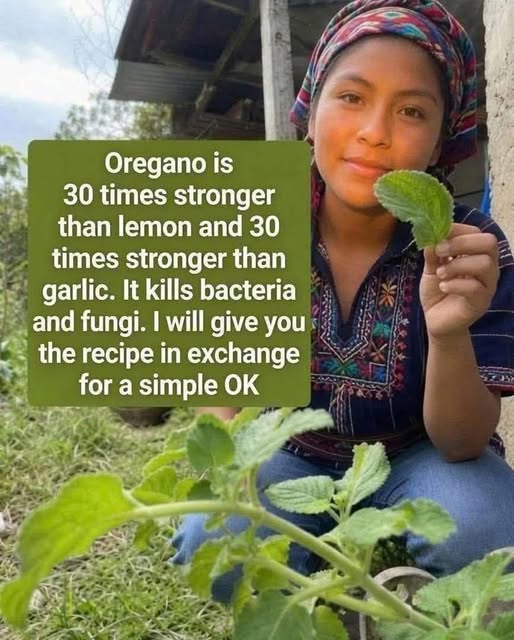
Q: Is oregano stronger than garlic or lemon as an antibacterial?
A: Garlic, lemon, and oregano all contain unique active compounds (such as allicin in garlic, citric acid in lemon, and carvacrol in oregano). While oregano oil has exceptionally high concentrations of carvacrol that show strong antimicrobial activity in lab settings, all three natural foods offer complementary benefits to a healthy diet.
Q: Can I drink oregano tea every day?
A: Yes! Drinking 1 to 2 cups of mild culinary oregano tea daily is safe for most healthy adults and provides excellent digestive and antioxidant support.
Q: What is the difference between regular oregano and Oil of Oregano?
A: Regular oregano refers to the culinary herb used in cooking or teas. “Oil of Oregano” is a highly concentrated essential oil extract intended for specific therapeutic or topical uses and must be handled with care.
Q: How should I store fresh oregano leaves?
A: Wrap fresh oregano stems in a damp paper towel, place them in a reusable bag, and store them in the crisper drawer of your refrigerator for up to two weeks.
