
Introduction
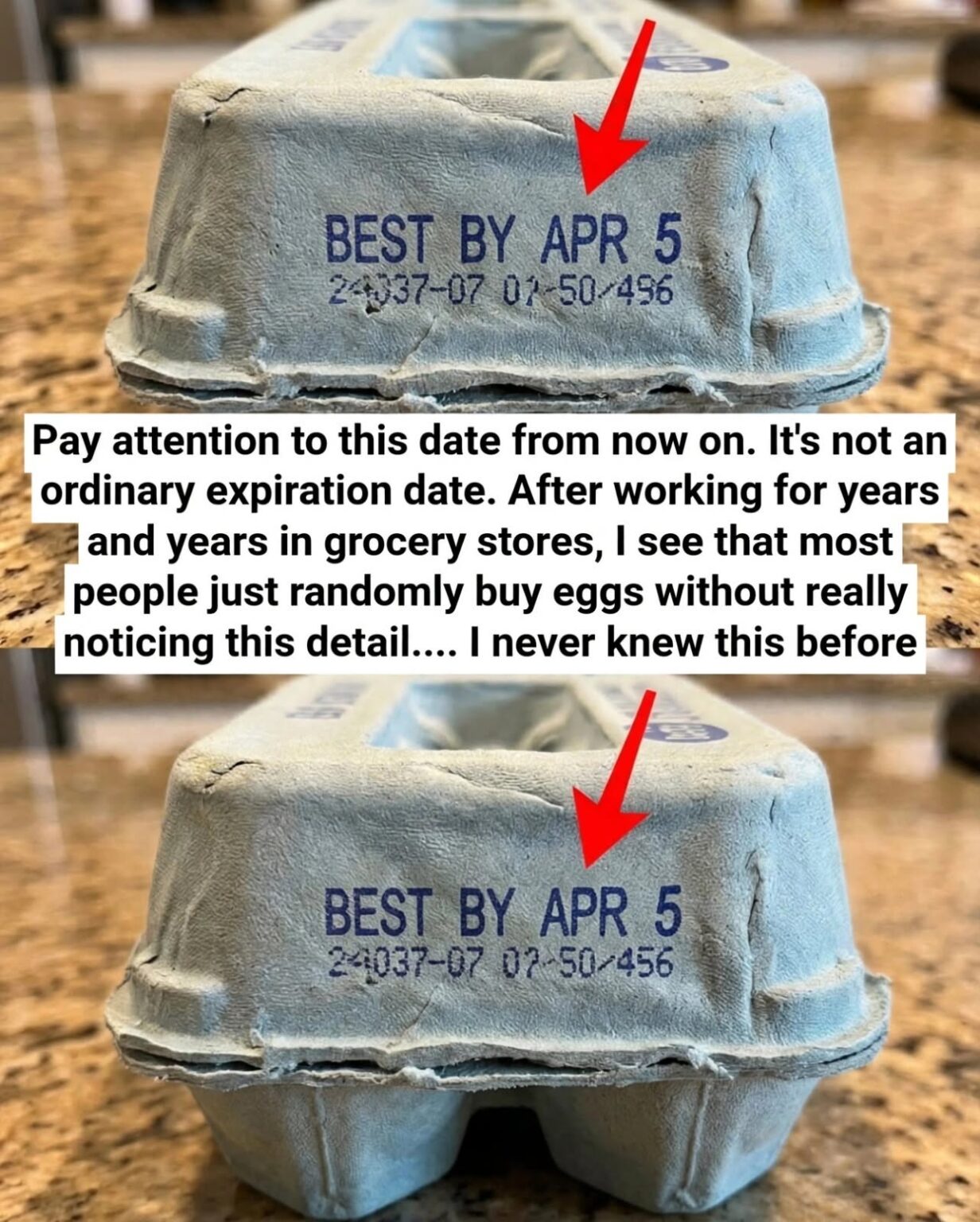
When buying eggs at the grocery store, most shoppers check the printed “Best By” or “Sell By” date to ensure freshness. However, few people realize that the numbers printed right below the date reveal far more detailed information about where and exactly when the eggs were packed.
Understanding these printed carton codes allows you to determine how fresh your eggs truly are, trace their origin back to the packaging plant, and make smarter purchasing decisions at the supermarket.
In this comprehensive consumer guide, we will break down the numbers on your egg carton, explain how to decode the Julian date calendar, highlight plant plant code identification, and answer frequently asked questions.
1. Decoding the Numbers on an Egg Carton
Egg cartons packed in USDA-inspected facilities display three primary pieces of information on their outer stamp: the quality date, the plant number, and the Julian pack date.
+--------------------------+------------------------------------------------------+
| Code Element             | Description & Purpose                                |
+--------------------------+------------------------------------------------------+
| Best By / Sell By Date   | Estimated freshness duration set by the processor.   |
| Plant Number (P-XXXX)    | Identifies the specific USDA-approved facility.      |
| Julian Date (001–365)    | Indicates the exact day of the year eggs were packed. |
+--------------------------+------------------------------------------------------+
Breakdown of the Printed Code
- Quality / Best By Date: Indicates the maximum time frame for peak quality. In USDA-inspected plants, “Sell By” dates cannot exceed 30 days from the pack date, while “Best By” dates can extend up to 45 days.
- Plant Number (P-Code): Preceded by the letter “P”, this 4-digit code identifies the precise processing plant where the eggs were washed, graded, and cartoned.
- Julian Pack Date: A 3-digit number ranging from 001 to 365 (or 366 in leap years) representing the consecutive day of the year the eggs were packed into the carton.
2. How the Julian Date System Works
The Julian date calendar is a straightforward numerical system that tracks days sequentially throughout the calendar year.
Sample Julian Date References
+--------------------------+------------------------------------------------------+
| Julian Number            | Corresponding Calendar Date                          |
+--------------------------+------------------------------------------------------+
| 001                      | January 1                                            |
| 060                      | March 1 (non-leap year)                              |
| 096                      | April 6 (non-leap year)                              |
| 365                      | December 31                                          |
+--------------------------+------------------------------------------------------+
By locating the 3-digit number printed next to the plant number (e.g., code 096 indicates the 96th day of the year), you can instantly determine how many days ago the eggs were harvested and processed, regardless of what the “Best By” label says.
3. How to Test Egg Freshness at Home
Even after purchasing, you can test the internal freshness of your eggs using simple, safe methods.
The Water Float Test
- Fill a Bowl: Fill a deep bowl or tall glass with cold water.
- Submerge the Egg: Gently drop a whole, uncracked raw egg into the water.
- Observe the Position:
- Sinks to the Bottom and Lies Flat: Extremely fresh (tiny air cell).
- Stands Upright on Bottom: Slightly older but completely safe and good to eat.
- Floats to the Top: Older egg with an expanded air pocket. Discard if it gives off an unpleasant odor when cracked open.
Conclusion: Shop Smarter with Food Label Knowledge
Reading the printed Julian date on egg cartons removes the guesswork from buying groceries. By picking cartons with the most recent pack dates, you ensure maximum freshness, better baking performance, and optimal shelf life in your refrigerator.
Check the code on your next egg carton to pick the freshest batch every time!
Practical Storage & Handling Tips
- Store in original Carton: Keep eggs in their original carton on an inside refrigerator shelf rather than in the door where temperature fluctuates.
- Maintain Cold Temperatures: Store eggs consistently at or below 40°F (4°C) to slow internal aging.
- Expect 3–5 Weeks of Quality: Properly refrigerated raw shell eggs remain safe and high quality for 3 to 5 weeks past the pack date.
- Use Older Eggs for Hard-Boiling: As eggs age slightly, the air pocket grows, making older eggs significantly easier to peel after hard-boiling!
FAQ Section
Q: What is the difference between “Sell By” and “Best By” on egg cartons?
A: “Sell By” guides the grocery store on how long to display the product, while “Best By” indicates peak quality duration for consumers. Eggs remain safe to eat weeks beyond both dates if properly refrigerated.
Q: Can you eat eggs after the printed “Best By” date?
A: Yes. If kept refrigerated at 40°F or lower, eggs are typically safe to eat for several weeks past the expiration date, provided they show no signs of spoilage or foul odor.
Q: Where can I look up the USDA plant code (P-number)?
A: You can search the USDA Plant Directory online using the 4-digit code (e.g., P-1234) to find the exact farm or processing location where your eggs originated.
