
Introduction
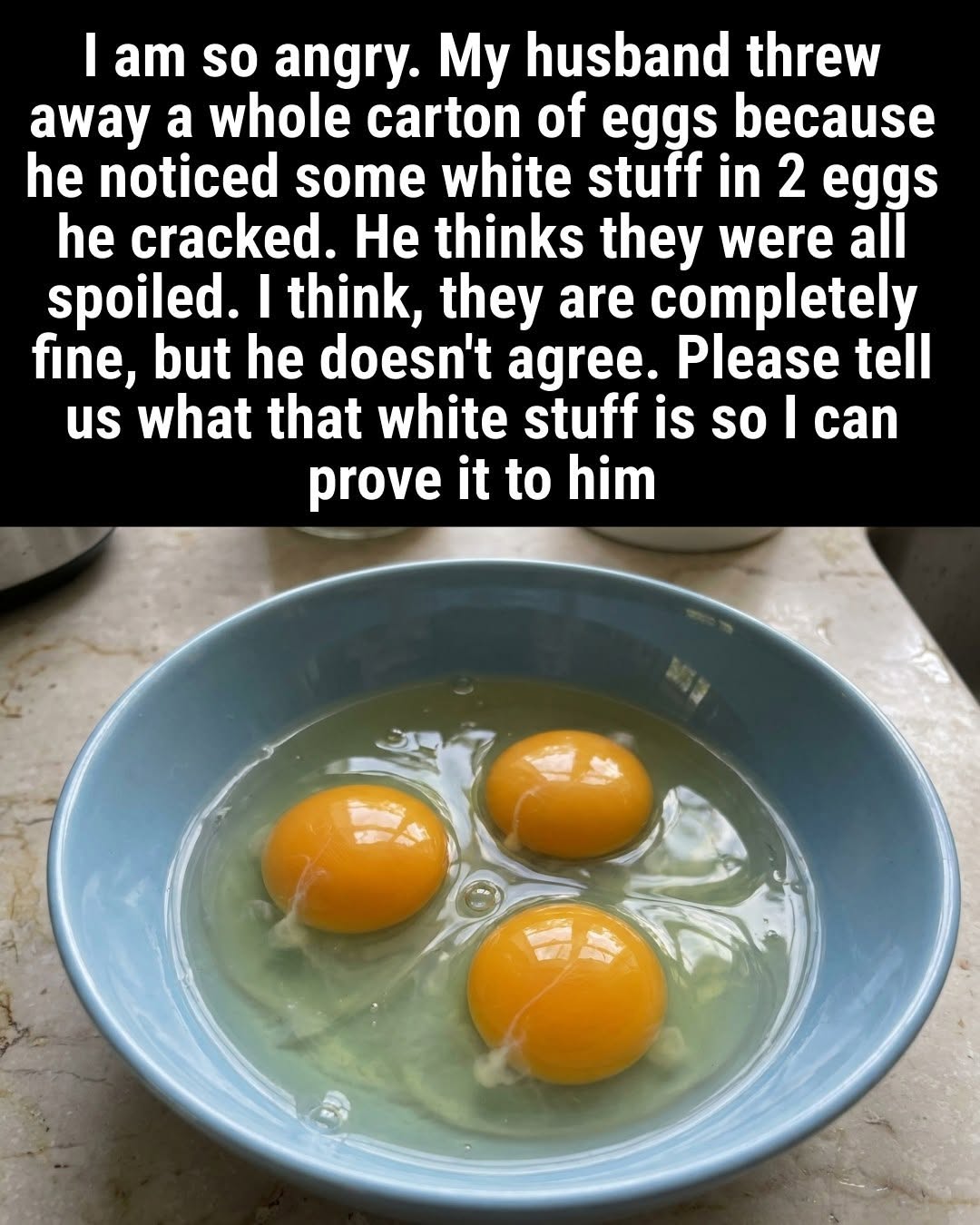
It is a common scenario in many kitchens: you crack open an egg into a bowl, only to notice a strange, white, twisted strand attached to the yolk. Assuming it is a defect, mold, or a sign of spoilage, many home cooks toss out the egg—or even an entire carton—out of caution.
However, far from being a sign that an egg has gone bad, that white stringy piece is a completely natural structural component of a healthy egg known as the chalaza (pronounced kuh-LAY-zuh). In fact, seeing prominent chalazae is a clear indicator that your eggs are extremely fresh!
In this kitchen safety and food science guide, we will explain what the chalaza is, why it exists, how to identify spoiled eggs correctly, and answer frequently asked questions.
1. What Is the Chalaza and What Does It Do?
The chalaza is a natural, edible part of an egg’s internal anatomy.
+--------------------------+------------------------------------------------------+
| Feature                  | Description & Function                               |
+--------------------------+------------------------------------------------------+
| Scientific Name          | Chalaza (plural: Chalazae)                           |
| Composition              | Twisted rope-like strands of natural protein.        |
| Biological Function      | Anchors yolk in the center of the egg white (albumen).|
| Freshness Indicator      | Prominent, thick strands signify a very fresh egg.   |
+--------------------------+------------------------------------------------------+
The Biology of the Chalaza
- Anatomy Anchor: Eggs feature two chalazae attached on opposite sides of the yolk. They act like tiny biological anchor ropes, suspending the delicate egg yolk squarely in the middle of the protective egg white (albumen) so it doesn’t collide with the hard shell.
- Pure Protein: Chalazae are made entirely of specialized mucin proteins, completely edible and harmless to consume cooked or raw.
- Sign of Freshness: As an egg ages in refrigeration, the egg white thins out and the chalazae gradually stretch and fade away. Prominent, firm white strands mean the egg was laid and packaged recently!
2. Real Signs of a Spoiled Egg
Because the chalaza is harmless, it is important to know the actual signs of a spoiled or unsafe egg to prevent unnecessary food waste.
+--------------------------+------------------------------------------------------+
| Indicator                | Fresh Egg Behavior vs. Spoiled Egg Behavior          |
+--------------------------+------------------------------------------------------+
| Odor                     | Neutral / Odorless vs. Strong sulfurous stench.      |
| Yolk Appearance          | Plump, round dome vs. Flat, broken, leaking yolk.    |
| Egg White Color          | Slightly cloudy/clear vs. Pinkish, green, or black.  |
| Water Float Test         | Sinks flat to bottom vs. Floats to the top of water. |
+--------------------------+------------------------------------------------------+
Key Signs of Spoilage
- Foul Odor: A rotten egg produces a distinct, pungent sulfurous odor immediately upon cracking (or even through the shell if heavily degraded).
- Discoloration: Pinkish, iridescent, green, or blackish colors in the egg white indicate bacterial growth (Pseudomonas infection).
- Runny, Liquid Whites: While old eggs with runny whites aren’t automatically dangerous, a yolk that ruptures easily and smells off indicates decay.
3. How to Test Freshness Before Cracking
You can check whether eggs are fresh without breaking the shells using simple kitchen techniques.
The Float Test
- Drop an uncracked egg into a cup of cold water:
- Sinks flat to the bottom: Peak freshness.
- Stands on end at the bottom: Older, but completely safe to cook.
- Floats to the surface: An expanded interior air pocket indicates an older egg; crack into a separate bowl first to check for off odors.
Conclusion: Stop Throwing Away Perfectly Good Eggs!
That white, twisted string in your egg yolk isn’t a worm, mold, or a sign of decay—it’s the chalaza doing its job as a natural protective anchor. The presence of a visible chalaza is actually proof that your eggs are high quality and fresh.
Save your grocery bill and enjoy your delicious, fresh eggs with complete confidence!
Practical Cooking & Handling Tips
- Leave It in When Cooking: There is no need to remove the chalaza when scrambling, frying, or baking; it cooks down seamlessly into the rest of the egg white.
- Strain for Smooth Custards: If making ultra-smooth silky custards, puddings, or lemon curd, pass your beaten egg yolks through a fine-mesh sieve to remove chalazae for a uniform texture.
- Store in Main Fridge Compartment: Keep egg cartons on an interior refrigerator shelf (at or below 40°F / 4°C) where temperatures stay constant.
FAQ Section
Q: Is the chalaza an embryo or umbilical cord?
A: No. Commercial store-bought eggs are unfertilized. The chalaza is simply a twisted strand of pure protein that anchors the yolk, not an embryo or umbilical cord.
Q: Is it safe to eat the white stringy part of an egg?
A: Absolutely. The chalaza is made of the same protein structure as the egg white and is 100% safe and nutritious to eat.
Q: Why do some eggs have a red or brown spot on the yolk?
A: Red or brown spots are harmless “blood spots” caused by a ruptured tiny blood vessel during egg formation on the hen’s ovary. They are completely safe to consume or can be scooped out with a spoon tip.
