
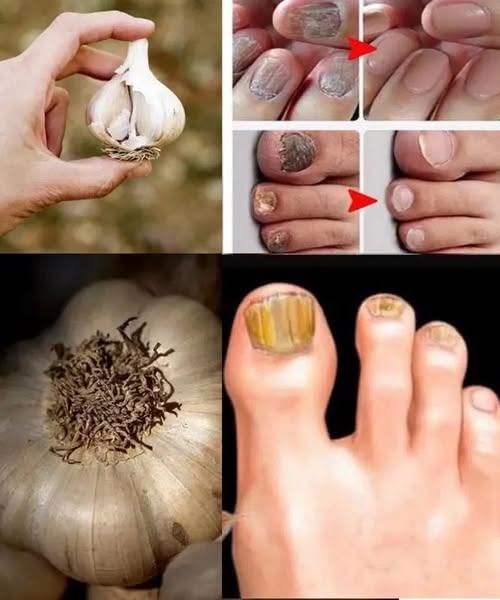
Introduction
Fungal nail infections (onychomycosis) are a common, stubborn condition that causes nails to become discolored, thickened, and brittle. Online wellness circles frequently promote raw garlic as a simple home remedy for nail fungus, pointing to its natural antimicrobial properties.
While garlic contains powerful natural compounds like allicin, using raw garlic as a primary treatment for deep-set nail fungus comes with significant limitations and risks of skin irritation.
In this health and wellness guide, we will evaluate the science behind garlic for fungal infections, compare natural remedies to proven clinical treatments, share essential foot hygiene practices, and answer frequently asked questions.
1. The Science: Garlic and Fungal Infections
Garlic (Allium sativum) has been used in traditional medicine for centuries due to its active sulfur-containing compounds.
+--------------------------+------------------------------------------------------+
| Biological Component     | Property & Mechanism                                 |
+--------------------------+------------------------------------------------------+
| Allicin                  | Primary antimicrobial compound formed when crushed. |
| Ajoene                   | Organosulfur compound with antifungal activity.      |
| Skin Penetration Barrier | Hard keratin nail plate blocks topical absorption.   |
+--------------------------+------------------------------------------------------+
How Garlic Interacts with Fungus
- Antifungal Compounds: Crushing raw garlic releases allicin and ajoene, compounds that have demonstrated antifungal activity against various fungi strains in laboratory settings (in vitro).
- The Keratin Barrier: A key challenge with home remedies is the hard keratin structure of the nail plate. Topical applications of crushed raw garlic rarely penetrate deep into the nail bed where the fungal infection thrives.
- Risk of Skin Irritation: Direct, prolonged contact with crushed raw garlic can cause chemical burns, contact dermatitis, severe redness, and blistering on sensitive skin surrounding the nail.
2. Garlic vs. Medical Treatments for Onychomycosis
Treating toenail fungus effectively often requires medical-grade topical solutions or oral antifungal medications.
+--------------------------+------------------------------------------------------+
| Treatment Option         | Efficacy Level & Characteristics                     |
+--------------------------+------------------------------------------------------+
| Crushed Garlic (DIY)     | Low efficacy; poor nail bed absorption; high burn risk.|
| Medical Antifungal Lacquer| Moderate; formulated to penetrate thick nail keratin. |
| Prescription Oral Pills  | High efficacy; targets fungus internally via bloodstream.|
| Laser Therapy            | Moderate-High; targets fungal spores with thermal energy.|
+--------------------------+------------------------------------------------------+
3. Safe Foot Hygiene and Prevention Guidelines
Preventing fungal spore growth and maintaining proper foot hygiene is essential for keeping nails clear and healthy.
Best Practices for Healthy Nails
- Keep Feet Dry and Clean: Wash feet daily with soap and thoroughly dry between toes where moisture builds up.
- Wear Breathable Socks: Choose moisture-wicking synthetic or cotton socks, and change them promptly if they get damp.
- Disinfect Nail Tools: Clean clippers, files, and scissors with rubbing alcohol after every use to prevent spreading fungal spores.
- Wear Shoes in Public Areas: Always wear sandals or flip-flops in locker rooms, public showers, and pool decks.
Conclusion: Consult a Specialist for Lasting Results
While garlic possesses natural antifungal properties, raw garlic pastes are rarely effective for deep toenail fungus and can easily burn delicate skin. For safe, effective results, consult a dermatologist or podiatrist for targeted treatments.
Take care of your foot health with evidence-based medical care!
Practical Foot Care & Safety Tips
- Never Apply Raw Garlic Overnight: Avoid taping crushed garlic to your skin or nails overnight, as prolonged exposure frequently leads to painful chemical burns.
- Trim Nails Straight Across: Keep nails short and file down thickened areas gently to reduce pressure inside shoes.
- Rotate Footwear: Give shoes at least 24 hours to air out and dry completely before wearing them again.
FAQ Section
Q: How long does it take to clear up a fungal nail infection?
A: Because toenails grow slowly, complete resolution of a fungal infection typically takes 6 to 12 months until a fully healthy nail grows out.
Q: Can essential oils like tea tree oil treat nail fungus?
A: Tea tree oil has mild natural antifungal properties, but like garlic, it struggles to penetrate deep beneath thick nail tissue and may require months of daily application with variable results.
Q: When should you see a doctor for toenail fungus?
A: You should see a podiatrist or healthcare professional if you experience nail discoloration, thickening, pain while walking, or if you have underlying conditions like diabetes or poor circulation.
