
Introduction
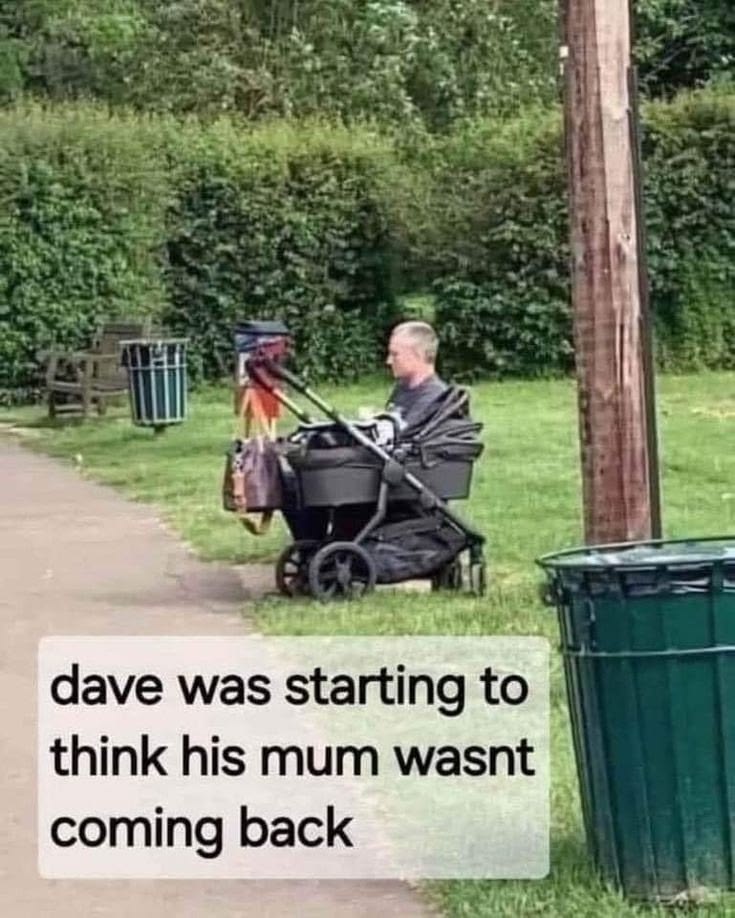
In the fast-paced digital era, internet memes have evolved far beyond simple jokes; they have become a universal language of shared human experience. A single image capturing an absurd moment—such as an adult man sitting inside a baby stroller while waiting patiently—combined with a witty caption can instantly capture the attention of millions worldwide. These viral pieces of digital content elicit laughter, spark conversations, and create a sense of community across vast geographical distances.
This article explores the psychological appeal of absurd humor, the mechanics of viral content sharing on social media platforms, and why relatable everyday irony resonates so deeply with modern audiences. Furthermore, we will examine how digital media engagement intersects with practical life management, including budgeting for entertainment, reviewing household finance, managing home insurance policies, consulting with an attorney regarding intellectual property rights or digital media creation, and safeguarding your long-term investment and retirement portfolios.
Let’s explore the science and culture behind viral meme humor.
The Evolution of Internet Humors and Memes
Humor has always been a fundamental tool for human coping and social bonding. In the digital age, internet memes have streamlined this process, condensing complex social observations, irony, and absurdity into easily digestible visual formats.
The juxtaposition of a mundane or unexpected visual—like a full-grown man sitting comfortably in a stroller—with a deadpan, narrative-driven caption creates an instant comedic contrast. This style of humor relies on incongruity resolution, a psychological theory suggesting that laughter occurs when our brains perceive a mismatch between expectations and reality, followed by a quick cognitive shift that makes sense of the absurdity in a humorous light.
Why Relatable Content Goes Viral
Viral content does not happen by accident; it relies on specific psychological triggers that encourage users to share, comment, and engage.
1. Emotional Resonance and Shared Experience
Even when a scenario is entirely exaggerated or absurd, it often taps into a universal emotional truth. Feelings of impatience, mild abandonment, or the universal awkwardness of waiting too long for someone can be mirrored through absurd imagery. When viewers see the humor in these situations, they feel understood and are more likely to tag friends or share the post.
2. Low-Friction Engagement
Short, choice-based questions or witty captions encourage immediate audience interaction. Platforms like Facebook thrive on quick comments and reactions, which drive algorithmic visibility and propel content across the platform.
The Digital Content Ecosystem and Media Business
Creating, curating, and sharing engaging digital content has transformed from a casual hobby into a thriving global industry. Many content creators and digital publishers leverage viral media to build audiences, drive website traffic, and monetize through advertising networks.
However, building a sustainable online business requires navigating a complex landscape of digital marketing strategies, platform algorithm changes, and audience retention metrics.
Financial and Legal Considerations for Digital Creators
For individuals turning content creation into a professional career or small business venture, paying attention to operational structures is essential for long-term success:
- Business Structuring: Establishing a formal business entity helps manage revenue streams from digital advertising and sponsorships while providing liability protection.
- Legal Protections: Working with a qualified attorney or utilizing professional legal services ensures proper handling of copyright issues, content licensing, and digital privacy regulations.
- Risk Management: Securing appropriate commercial insurance protects against unexpected digital liabilities or operational disruptions.
- Financial Planning: Balancing variable online income with disciplined personal finance, strategic investment, and robust retirement planning ensures long-term economic security.
Conclusion
Absurd memes and humorous snapshots do more than just provide a quick laugh—they reflect our shared cultural appreciation for lighthearted irony and storytelling. By understanding the psychological drivers behind viral content, creators can continue to build engaging communities while navigating the dynamic world of digital media.
For more insights into digital culture, entertainment, and modern lifestyle trends, explore our other articles covering smart home business tips, real estate mortgage strategies, and personal finance management.
FAQ Section
Q1: Why do people find absurd memes so funny?
A1: Absurd memes trigger humor through incongruity, presenting an unexpected or bizarre visual paired with a deadpan caption that our brains resolve into a relatable, comedic scenario.
Q2: What makes a social media post go viral?
A2: Viral posts typically rely on strong emotional triggers, visual curiosity, relatable themes, and simple call-to-action prompts that encourage users to comment, react, and share.
Q3: Can content creation be a sustainable full-time career?
A3: Yes, many digital creators monetize their content through advertising revenue, brand partnerships, platform creator funds, and merchandise sales, though it requires consistent strategy and audience engagement.
Q4: Do internet memes have copyright protections?
A4: Copyright laws regarding memes can be complex, often falling under fair use for parody and commentary, but commercial use of third-party images or trademarked material can require legal authorization.
Q5: How do algorithms impact Facebook traffic?
A5: Social media algorithms prioritize content that generates high immediate engagement—such as comments, shares, and reactions—pushing popular posts into wider user feeds.
Q6: Why is audience retention important for digital publishers?
A6: High audience retention indicates that visitors spend more time engaging with content, which improves search rankings, ad impressions, and overall digital monetization potential.
Q7: What legal steps should online creators take when starting out?
A7: Creators should consult with legal professionals to establish proper business registrations, protect intellectual property, and ensure compliance with digital advertising standards.
Disclaimer: This article is for informational purposes only and does not constitute legal, financial, or professional business advice. Always consult with qualified professionals regarding specific legal or financial decisions.
