
Introduction
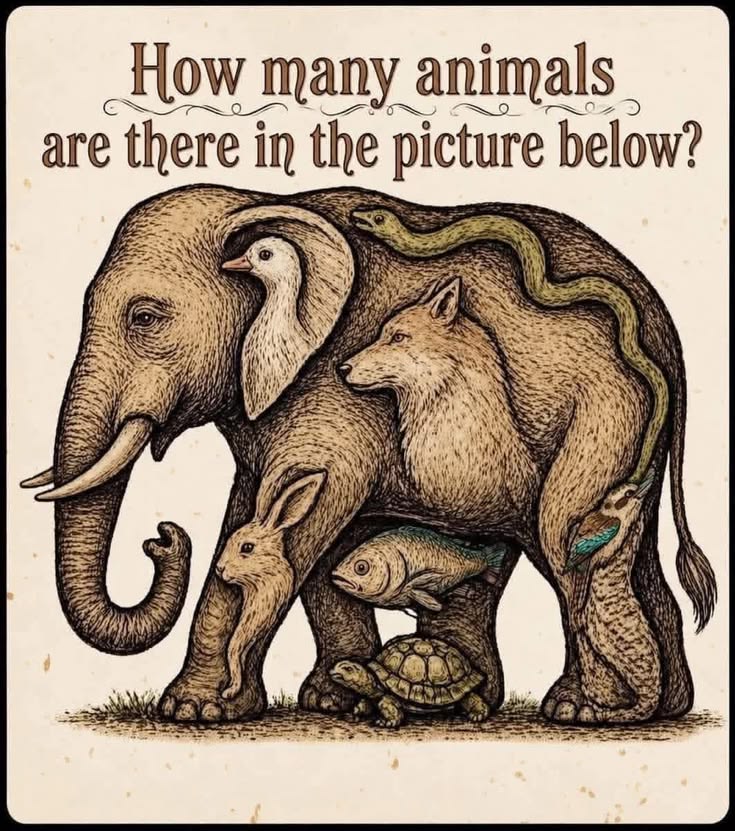
Visual puzzles and optical illusions have captivated human curiosity for centuries. From classic Renaissance paintings with hidden faces to modern digital illustrations that conceal multiple animals within a single silhouette, these artworks challenge the way our brains process visual information. When presented with an intricate drawing of an elephant that cleverly incorporates a snake, a wolf, a rabbit, a bird, a fish, a turtle, and a smaller bird within its form, viewers are instantly drawn into a game of visual discovery.
This article explores the cognitive science behind optical illusions, how human perception processes hidden images, and why brain teasers remain wildly popular on social media platforms. Furthermore, we will examine how engaging with visual puzzles connects to broader aspects of daily life, including managing home entertainment, reviewing household finance, budgeting for leisure activities, consulting with an attorney regarding intellectual property or artistic licensing, and safeguarding your long-term investment and retirement portfolios.
Let’s explore the science of visual perception and hidden art.
How the Brain Processes Optical Illusions
Optical illusions occur when our visual system interprets information in a way that differs from objective reality. The human brain is a master of pattern recognition, constantly filtering through millions of sensory inputs to make sense of the world quickly.
When looking at a composite image—such as an elephant outline filled with secondary animal silhouettes—the brain initially focuses on the dominant shape (the elephant). This is due to a Gestalt principle known as “figure-ground organization,” where the mind separates a primary object from its background. To see the hidden animals, the viewer must actively suppress the dominant shape and shift their attention to negative spaces, textures, and embedded contours. This cognitive shift stimulates neural pathways and exercises mental flexibility.
The Popularity of Visual Puzzles on Social Media
In the digital age, brain teasers and hidden-animal puzzles have become viral staples across social networks. They leverage several powerful psychological triggers:
- Curiosity and Challenge: People naturally enjoy testing their cognitive abilities and attention to detail. Finding every hidden animal provides a satisfying sense of accomplishment.
- Social Comparison: Sharing these puzzles with friends and asking questions like “How many did you find?” drives high rates of comments, shares, and community engagement.
- Mental Stimulation: Quick visual games offer a brief, enjoyable mental break from daily routines and stress.
Financial and Legal Considerations for Digital Content Creators
Publishing viral images, brain teasers, and interactive puzzles requires an understanding of digital media economics and legal protections. Creators and website owners navigating the online publishing space must consider several structural elements:
- Intellectual Property Rights: Ensuring that shared artwork complies with copyright laws or falls under proper fair use prevents legal disputes. Consulting with an attorney or utilizing professional legal services is crucial for digital media businesses.
- Business Monetization: Generating ad revenue from high-traffic puzzle posts ties directly into broader personal finance and corporate budgeting strategies.
- Risk Management: Securing appropriate digital insurance protects online platforms against unexpected liabilities.
- Long-Term Planning: Balancing the fluid income of digital publishing with disciplined investment and robust retirement planning ensures long-term financial security.
Conclusion
Optical illusions and hidden animal puzzles are more than just casual entertainment; they offer a fascinating look into human visual perception and cognitive processing. Whether you spotted all seven animals instantly or had to search carefully, these clever illustrations continue to delight and engage audiences worldwide.
For more puzzles, lifestyle trends, and smart digital insights, explore our other articles covering home business tips, real estate mortgage options, and personal finance management.
FAQ Section
Q1: How many animals are hidden in the illusion image?
A1: There are 8 animals total in the picture if you count the main elephant and the 7 animals embedded within its body: the elephant, a swan/bird in the ear, a snake along the back, a wolf in the center, a rabbit near the front leg, a fish in the middle, a turtle at the bottom, and a small bird near the tail.
Q2: Why are some people better at solving optical illusions than others?
A2: Ability is influenced by cognitive flexibility, attention to detail, and visual processing experience. People who regularly engage in puzzles train their brains to override automatic figure-ground segregation more effectively.
Q3: What is the Gestalt principle of perception?
A3: Gestalt principles are rules that describe how the human brain organizes individual visual elements into unified groups or recognizable shapes, helping us make sense of complex scenes quickly.
Q4: Do brain teasers improve cognitive health?
A4: Engaging in visual puzzles, crosswords, and logic games helps stimulate neural connections, supporting mental agility and cognitive maintenance, particularly as part of an active lifestyle.
Q5: How do optical illusions trick the brain?
A5: Illusions exploit shortcuts in our visual processing system, tricking depth perception, color contrast, or pattern recognition into seeing something that contradicts physical reality.
Q6: Can digital creators legally share any image found online?
A6: No. Sharing copyrighted images without permission can violate intellectual property laws unless it qualifies under specific fair use guidelines for commentary or parody.
Q7: Why do viral brain teasers generate high social media engagement?
A7: They encourage interactive participation, prompt friendly debates over correct answers, and provide immediate entertainment value, which algorithms reward with higher visibility.
Disclaimer: This article is for informational purposes only and does not constitute professional legal, financial, or psychological advice. Always consult with qualified professionals regarding legal matters or cognitive health concerns.
