
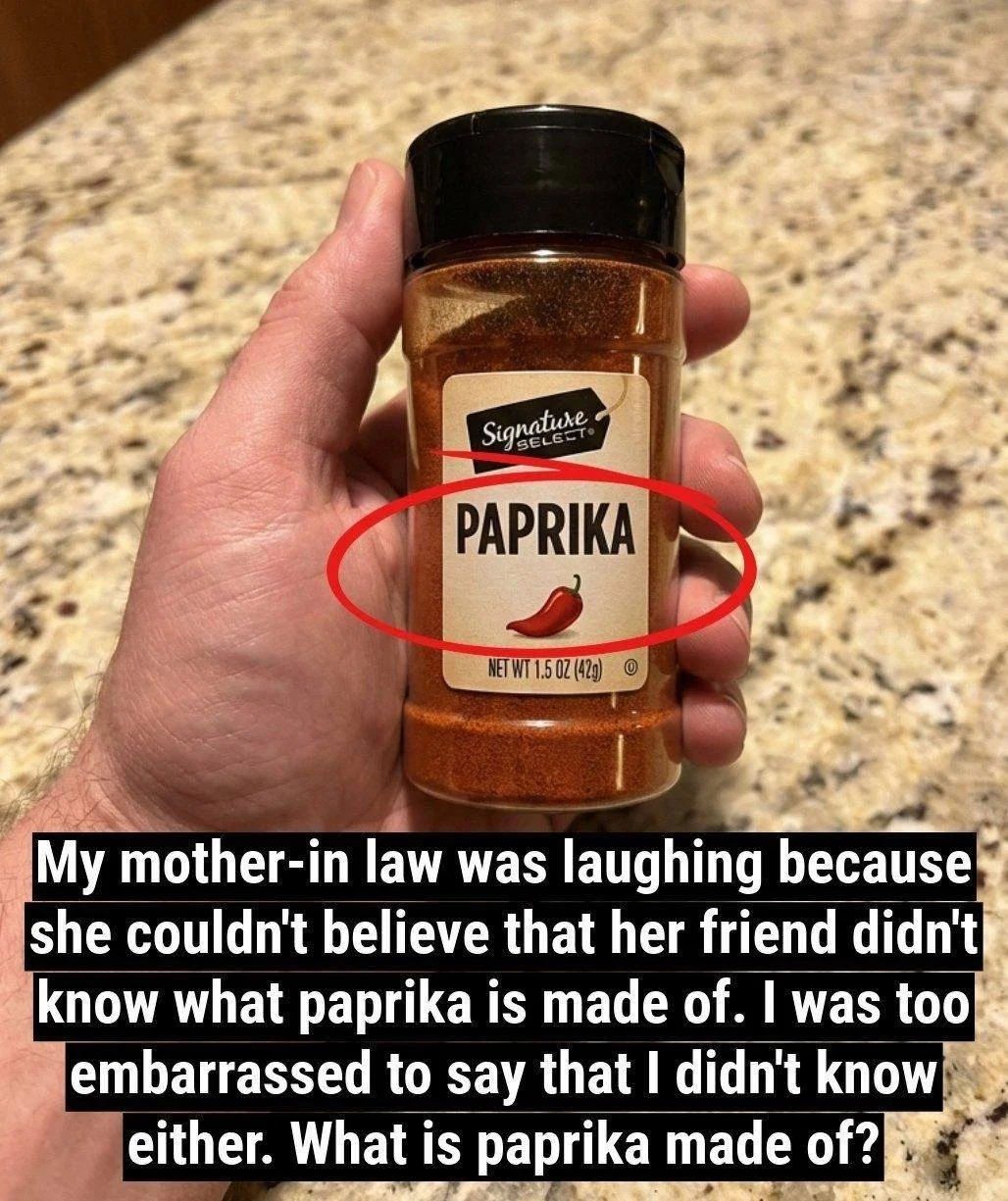
Paprika is one of the most recognizable and widely used spices in kitchens around the world. With its vibrant crimson color, warm earthy aroma, and gentle sweetness, a simple pinch of paprika elevates everything from deviled eggs and potato salad to hearty Hungarian goulash, roasted meats, and smoky barbecue rubs.
Despite its ubiquitous presence on spice racks across the globe, a surprising number of home cooks have no idea where paprika actually comes from. Many assume paprika is derived from a unique exotic tree bark, a dried root, or an obscure tropical seed.
In reality, paprika is made from grounded, dried red peppers belonging to the Capsicum annuum species—the very same plant family that gives us everyday bell peppers, sweet peppers, and chili peppers.
In this comprehensive culinary guide, we explore the origin story of paprika, break down the different varieties of paprika, examine its impressive health benefits, provide cooking tips, and share essential spice storage strategies to keep your pantry fresh.
The Botanical Origins of Paprika: From Peppers to Powder
To understand what paprika is, we have to trace the journey of the humble pepper from field to bottle.
All paprika originates from fruits of the Capsicum annuum species, a flowering plant native to Central and South America. While we often classify peppers as vegetables in culinary contexts, botanically speaking, they are berries containing seeds.
How Paprika Is Made
- Harvesting: Sweet red peppers, bell peppers, or specialized mild chili varieties are harvested at peak ripeness when their sugar content and deep red pigments are fully developed.
- Drying: The pods are harvested, stemmed, and subjected to a drying process. Traditional methods involve sun-drying the peppers on large wooden racks or smoke-curing them over wood fires. Modern commercial producers often use industrial dehydration chambers to ensure uniform moisture removal.
- Milling: Once completely dehydrated, the dried pepper shells, along with varying proportions of seeds and internal ribs, are finely ground into a silky powder using stone mills or stainless steel industrial grinders.
Including or excluding the internal seeds and white ribs (placenta) during the grinding process determines the heat level and color intensity of the final spice product. Seeds contain small amounts of capsaicin—the chemical compound responsible for heat in peppers—so removing them yields a sweet, mild spice, while including them creates a spicier blend.
The Three Main Varieties of Paprika You Need to Know
Not all paprika found in the grocery aisle tastes the same. Depending on where the peppers are grown and how they are dried, paprika falls into three distinct culinary categories.
+-------------------+-----------------------------------+-----------------------------------+-----------------------------------+
| Variety           | Flavor Profile                    | Drying Method                     | Ideal Culinary Uses               |
+-------------------+-----------------------------------+-----------------------------------+-----------------------------------+
| Sweet (Noble)     | Mild, fruity, earthy, subtle sweet| Sun-dried or warm air dehydrated  | Deviled eggs, rice, chicken, potato|
| Smoked (Pimentón) | Deep, smoky, rich, savory         | Slow-smoked over oak wood fires   | BBQ rubs, paella, stews, roasted veg|
| Hot Paprika       | Piquant, spicy, robust heat       | Dried whole with seeds included   | Goulash, chili dishes, marinades  |
+-------------------+-----------------------------------+-----------------------------------+-----------------------------------+
1. Hungarian Sweet Paprika (Édes Nemes)
Hungary is world-renowned for its paprika tradition, where the spice is considered a national treasure. Hungarian sweet paprika is famous for its rich, aromatic, fruity flavor without scorching heat. It provides the deep red hue and complex body characteristic of classic Hungarian goulash (Gulyás) and chicken paprikash.
2. Spanish Smoked Paprika (Pimentón de la Vera)
In the La Vera region of Spain, sweet red peppers are traditional dried slowly over smoldering holm oak wood fires for weeks. This process infuses the peppers with a unmistakable, deep smokiness. Pimentón de la Vera comes in sweet (dulce), medium-hot (agridulce), and hot (picante) varieties, serving as a key ingredient in Spanish chorizo, traditional seafood paella, and roasted potato dishes.
3. Hot Paprika
Hot paprika includes the ground seeds and dried inner ribs of hotter chili pepper varieties. While not as fiery as cayenne pepper, hot paprika provides a pleasant, warming kick accompanied by a rich pepper flavor.
Nutritional Benefits and Health Power of Paprika
Beyond adding rich color and flavor to meals, paprika packs an impressive nutritional punch filled with essential vitamins, antioxidants, and trace minerals.
+---------------------------+-------------------------------------------------------+
| Nutrient / Compound       | Primary Health Benefit                                |
+---------------------------+-------------------------------------------------------+
| Vitamin A (Carotenoids)   | Supports vision health, immune function, and skin care|
| Capsaicin                 | Promotes metabolic rate and supports anti-inflammation|
| Vitamin B6                | Aids enzymatic energy production and brain function   |
| Iron & Mineral Content    | Supports healthy red blood cell production            |
| Antioxidants (Lutein)     | Protects cellular structure from oxidative stress     |
+---------------------------+-------------------------------------------------------+
Rich Source of Antioxidants
Paprika owes its brilliant red color to powerful carotenoid antioxidants, including beta-carotene, capsanthin, zeaxanthin, and lutein. These antioxidants help neutralize free radicals in the body, supporting cardiovascular health and reducing oxidative stress.
Eyesight and Skin Support
A single tablespoon of paprika provides over 20% of the daily recommended intake of Vitamin A. Carotenoids like lutein and zeaxanthin specifically accumulate in the retina, helping to protect eyes from age-related macular degeneration and blue-light strain.
Culinary Tips: How to Cook with Paprika Without Burning It
One of the most common mistakes home cooks make when using paprika is exposing it to direct high heat in a dry skillet.
Because paprika contains natural plant sugars from dried red peppers, it burns very quickly when exposed to hot oil or dry cookware. Burnt paprika loses its sweet, pleasant aroma and turns extremely bitter and acrid.
The Blooming Technique
To maximize flavor without burning:
- Heat a tablespoon of olive oil or butter in a pan over medium-low heat.
- Add aromatics like onions, garlic, or celery and sauté until soft.
- Remove the pan from direct, intense heat briefly, sprinkle in the paprika, and stir continuously for 10 to 15 seconds.
- Immediately add liquids (such as broth, crushed tomatoes, wine, or coconut milk) to quench the heat and suspend the aromatic essential oils safely in the sauce base.
Financial Considerations: Grocery Budgets and Premium Spices
Spices are an integral part of home cooking budgets, and understanding value differences helps stretch your grocery dollars.
- Mass-Market vs. Single-Origin Brands: Standard grocery store paprika generally costs between $2.00 to $4.00 per bottle. Specialty, single-origin Hungarian or Spanish DOP (Denominación de Origen Protegida) certified paprikas may cost $8.00 to $12.00 per tin, but offer significantly higher oil content, richer color, and far superior flavor potency.
- Bulk Buying Considerations: Buying ground spices in massive bulk containers is often a false economy. Ground spices lose their delicate aromatic volatile oils within 6 to 12 months, resulting in faded color and sawdust-like flavor over time.
- Storage Economy: To preserve your investment, store paprika in a cool, dark pantry away from heat sources like stoves, ovens, or direct sunlight. Refrigerating unopened tins can also extend flavor shelf life significantly.
Fascinating Historical Facts About Paprika
- New World Discovery: Red peppers were completely unknown in Europe, Asia, and Africa prior to Christopher Columbus’s voyages to the Americas in the late 15th century. Spanish monks were among the first Europeans to cultivate pepper plants in monastery gardens.
- Nobility to Popular Staple: In Hungary, paprika was initially considered a cheap peasant alternative to expensive imported black pepper. By the 19th century, however, it conquered high-society Hungarian cuisine and became a symbol of national identity.
- Vitamin C Breakthrough: In 1937, Hungarian scientist Albert Szent-Györgyi won the Nobel Prize in Physiology or Medicine for discovering and isolating Vitamin C in large quantities—extracted directly from Hungarian paprika peppers!
Conclusion
The mystery of what paprika is made of is simple yet fascinating: it is simply ground, dried red peppers! Whether you prefer sweet Hungarian varieties, smoky Spanish pimentón, or spicy chili blends, paprika brings incredible depth, vibrant color, and rich nutritional value to every dish it touches. By understanding its pepper roots, choosing quality tins, and using proper low-heat cooking techniques, you can unlock the full culinary potential of this timeless spice in your daily cooking.
Frequently Asked Questions (FAQ)
1. Is paprika the same thing as chili powder?
No. Pure paprika is made exclusively from ground sweet or mild red peppers. Commercial chili powder blends, on the other hand, are spice mixes containing ground hot chili peppers combined with cumin, garlic powder, oregano, and salt.
2. Can I substitute cayenne pepper for paprika in recipes?
Be very careful! Cayenne pepper is made from ground hot cayenne chilies and is significantly spicier than sweet paprika. Substituting cayenne for paprika in equal amounts will make your dish painfully spicy. If you run out of sweet paprika, try using mild red bell pepper powder or a tiny pinch of chili powder instead.
3. How can you tell if your paprika has gone bad?
While old paprika rarely spoils or becomes unsafe, it loses its essential oils over time. Look at the color: fresh paprika should be bright, vivid crimson red. If it looks dull brown, smells like dry hay, or lacks a rich pepper aroma, it has lost its flavor potency and should be replaced.
4. Why is smoked paprika so popular in recipes?
Smoked paprika adds a rich, wood-fired taste to dishes without needing actual smoke equipment or liquid smoke additives. It is particularly popular in vegan and vegetarian cooking because it imparts a deep, savory “bacon-like” flavor to beans, roasted vegetables, and stews.
