
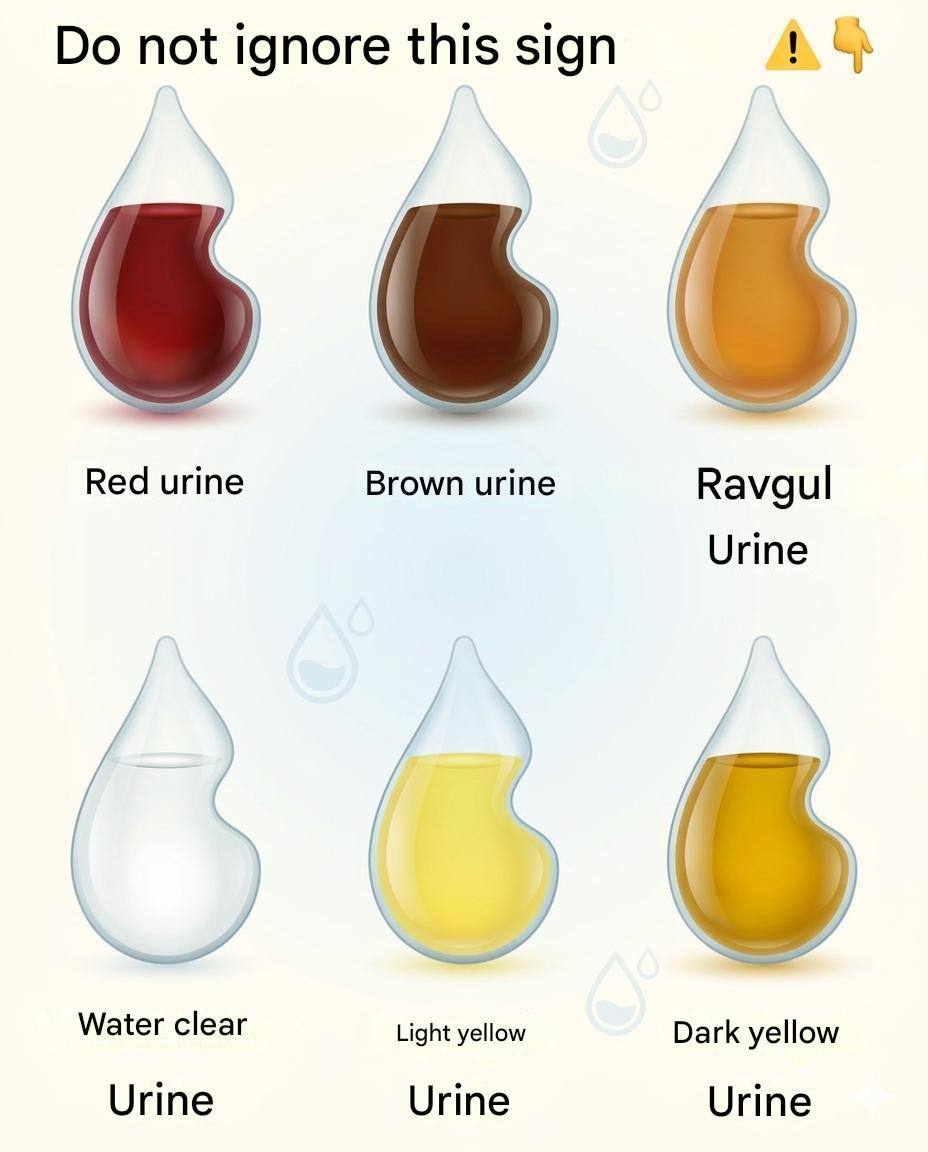
Changes in urine color can be an immediate and revealing indicator of your hydration levels, dietary intake, medication side effects, or underlying health conditions. While everyday variation from pale straw to medium yellow is completely normal, sudden shifts to dark brown, red, or orange hues often prompt concern and warrant closer attention.
Understanding what different urine shades signify empowers individuals to maintain optimal daily hydration and identify when it is time to seek professional medical evaluation.
In this comprehensive renal and urinary health guide, we analyze the biological factors affecting urine color, review common visual indicators, explore health and safety guidelines, examine medical testing, and share practical daily hydration strategies.
The Science of Urine Color: Urochrome and Hydration Mechanics
Urine is a fluid byproduct created by the kidneys as they filter waste, excess water, and metabolic toxins from the bloodstream.
The Role of Urochrome
The characteristic yellow pigment in urine is called urochrome (or urobilin). Urochrome is produced during the natural breakdown of hemoglobin from old red blood cells. The concentration of urochrome in your urine directly reflects how much fluid is present to dilute it.
Concentration and Dilution
When you drink plenty of fluids, your kidneys excrete excess water, diluting the urochrome pigment and producing pale yellow or clear urine. Conversely, when fluid intake is low, the kidneys conserve water, concentrating urochrome and resulting in dark yellow or amber urine.
Urine Color Guide: Common Causes and Clinical Implications
+-----------------------------------+-----------------------------------+-----------------------------------+
| Urine Color                       | Primary Cause / Mechanism         | Recommended Action                |
+-----------------------------------+-----------------------------------+-----------------------------------+
| Clear / Transparent               | Over-hydration or excess water    | Modestly adjust fluid intake      |
| Light / Straw Yellow              | Optimal, healthy hydration level  | Maintain current fluid habits     |
| Dark Yellow / Amber               | Mild to moderate dehydration      | Increase daily water intake       |
| Red / Pinkish                     | Hematuria, foods (beets), meds    | Consult doctor if persistent      |
| Dark Brown / Tea-Colored          | Severe dehydration, liver issues  | Rehydrate; see doctor if persistent|
| Orange / Bright Amber             | Dehydration, B-vitamins, liver    | Check vitamin intake; rehydrate   |
+-----------------------------------+-----------------------------------+-----------------------------------+
1. Clear to Light Yellow
Completely clear urine indicates high fluid intake. While staying hydrated is important, consistently clear urine may mean you are drinking more water than necessary, potentially flushing out essential electrolytes like sodium and potassium. Light yellow or straw-colored urine signifies optimal, healthy hydration.
2. Dark Yellow to Brown
Dark yellow or amber urine is a classic sign of mild dehydration. Deep brown or tea-colored urine can signal severe dehydration, but it can also indicate breakdown of muscle tissue (rhabdomyolysis) or liver and gallbladder conditions where bilirubin spills into the urine.
3. Red or Pinkish Shades
A pink or red hue (hematuria) can result from the presence of red blood cells caused by urinary tract infections (UTIs), kidney stones, or bladder issues. However, harmless dietary factors—such as eating beets, blackberries, or rhubarb—as well as certain prescription medications can also temporarily dye urine red or orange.
Common Health Myths vs. Clinical Reality
Navigating health information requires distinguishing medical facts from common urban myths.
+------------------------------------+-----------------------------------------------------------+
| Popular Myth                       | Clinical Reality                                          |
+------------------------------------+-----------------------------------------------------------+
| Clear Urine Is Always Healthiest  | Excessively clear urine can indicate over-hydration      |
| Dark Urine Always Means Disease    | It most commonly reflects simple, mild dehydration        |
| Foamy Urine Is Always Normal       | Persistent foam can indicate protein in urine (proteinuria)|
| Drinking Water Fixes All Changes   | Dietary pigments and medications alter color independently|
+------------------------------------+-----------------------------------------------------------+
Medical Guidelines: When to Consult a Healthcare Professional
While most urine color variations are tied to hydration or diet, certain symptoms require immediate medical evaluation.
- Unexplained Red or Pink Urine: Any visible blood or persistent red tint not clearly linked to dietary items (like beets) warrants a urinalysis to rule out underlying urinary tract or kidney issues.
- Brown Urine with Pale Stools: Dark brown urine accompanied by yellowish skin or eyes (jaundice) and pale stools can indicate liver or biliary tract dysfunction.
- Pain, Burning, or Urgency: Discoloration paired with burning during urination, pelvic pain, or fever strongly suggests a urinary tract infection or kidney stone.
Financial Considerations: Diagnostic Testing and Preventive Care
Monitoring urinary health involves simple routine testing and basic wellness care.
- Routine Urinalysis Costs: A standard clinical urinalysis test—which screens for red blood cells, protein, glucose, and infection markers—is a low-cost diagnostic tool usually covered during annual preventive exams under major health insurance plans.
- In-Home Dipstick Tests: Over-the-counter UTI and kidney health dipstick test strips are available at local pharmacies for $10 to $20, offering a quick preliminary check before seeing a doctor.
- HSA/FSA Eligibility: Urinalysis diagnostic kits, prescription treatments for urinary tract infections, and hydration electrolyte supplements qualify for Health Savings Account (HSA) or Flexible Spending Account (FSA) reimbursement.
Fascinating Facts About Urine and Human Metabolism
- Daily Output: Healthy human kidneys produce approximately 1 to 2 liters of urine every single day depending on fluid intake and environmental heat.
- Vitamin Glow: Consuming high doses of B-complex vitamins (especially B2/riboflavin) often turns urine a neon or fluorescent bright yellow color due to excess water-soluble vitamin excretion!
- Morning Concentration: Urine is naturally most concentrated first thing in the morning because you do not drink fluids while sleeping, making it appear darker yellow upon waking.
Practical Daily Tips for Healthy Hydration
Follow these practical habits to support healthy kidney filtration and fluid balance:
1. Let Thirst and Color Guide You
Rather than forcing yourself to drink fixed arbitrary volumes of water, aim to keep your urine a light straw-yellow color throughout the day.
2. Hydrate Before and During Exercise
Increase fluid intake before, during, and after physical activity or hot weather exposure to replace sweat loss and prevent concentrated dark urine.
3. Review Medications and Diet
If you notice sudden unexpected color changes, review recent dietary additions (like berries or food dyes) and check medication side-effect profiles before worrying.
Conclusion
Your urine color is a practical, everyday window into your hydration and metabolic health. From pale straw-yellow reflecting optimal fluid balance to dark shades signaling a need for water, paying attention to these simple body cues helps keep your kidneys and overall health on track. When unexpected color changes persist or come with pain, consulting a healthcare professional ensures peace of mind and proper care.
Frequently Asked Questions (FAQ)
1. What does orange urine mean?
Orange urine is most often caused by mild dehydration, high doses of vitamin C or B-complex vitamins, or specific medications (such as phenazopyridine for UTI relief or rifampin).
2. Can eating certain foods change urine color drastically?
Yes. Foods rich in natural pigments—such as beets (causing pink/red urine), blackberries, rhubarb, and foods with heavy artificial dyes—can temporarily change urine color without posing any health risk.
3. Why is my urine foamy or bubbly?
Occasional rapid urination can create temporary physical bubbles. However, persistent, thick foam that does not dissipate quickly can indicate protein in the urine (proteinuria), which warrants a routine checkup with your doctor.
4. How much water should I drink daily to keep urine light yellow?
Most healthy adults need roughly 8 to 11 cups (2 to 2.5 liters) of total fluid daily from beverages and water-rich foods, though individual needs vary based on climate, activity level, and health status.
