
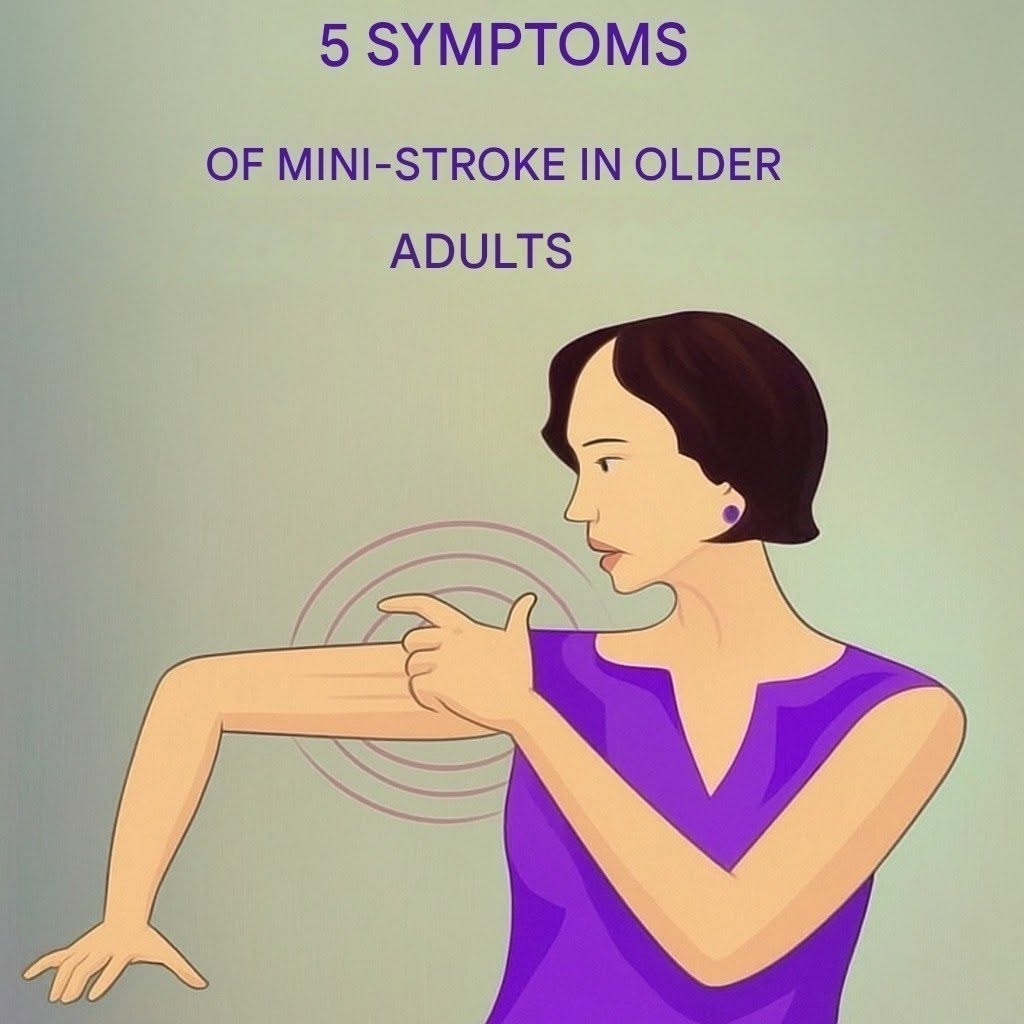
Recognizing early health warnings can mean the difference between full recovery and life-altering complications. A transient ischemic attack (TIA), often referred to as a “mini-stroke,” serves as a critical warning sign that should never be ignored. Unlike a major stroke, the symptoms of a mini-stroke can disappear within minutes or hours, leading many older adults and their loved ones to dismiss the event entirely. However, medical experts view a TIA as an urgent medical emergency—a vital opportunity to prevent a full-scale stroke before severe damage occurs.
Understanding how to identify these subtle signs, access timely health care services, and navigate necessary medical care options can safeguard both physical wellness and long-term quality of life. This detailed health guide breaks down the five core symptoms of a mini-stroke in older adults, explains the medical mechanisms behind them, covers immediate diagnostic protocols, and offers actionable strategies for long-term health management and financial planning around senior care.
What Is a Mini-Stroke (TIA)? Understanding the Biology
A transient ischemic attack occurs when blood flow to a portion of the brain is temporarily blocked or restricted. While a full ischemic stroke causes permanent brain tissue damage, a mini-stroke resolves when the blockage dislodges or dissolves naturally.
- The Cause: Most mini-strokes are caused by a temporary blood clot, plaque buildup in the arteries (atherosclerosis), or micro-emboli originating from the heart.
- The Duration: Symptoms typically last between 1 to 20 minutes, though they can persist for up to 24 hours.
- The Warning: Research shows that up to 20% of individuals who experience a TIA go on to suffer a major stroke within 90 days, with the highest risk occurring in the first few days following the initial event.
Because symptoms vanish quickly, many seniors fail to seek immediate medical intervention, missing a critical window for preventive treatments and comprehensive health evaluation.
The 5 Crucial Symptoms of a Mini-Stroke in Older Adults
Recognizing the warning signs of a TIA requires vigilance. Medical professionals frequently use the BE FAST protocol to identify these sudden neurological changes. Below are the five primary symptoms that demand immediate attention.
+---------------------------------+------------------------------------------+-------------------------------------+
| Mini-Stroke Symptom             | Typical Manifestation                    | Immediate Action Needed             |
+---------------------------------+------------------------------------------+-------------------------------------+
| 1. Sudden Weakness or Numbness  | One-sided arm, leg, or facial weakness   | Call emergency services (911)       |
| 2. Facial Drooping              | Uneven smile, sagging eyelid or lip      | Request immediate EMS transport     |
| 3. Speech Difficulties          | Slurred speech, trouble finding words    | Note exact time symptoms started    |
| 4. Sudden Vision Changes        | Blurred vision, temporary blindness      | Do not attempt to drive             |
| 5. Loss of Balance & Dizziness  | Unsteadiness, sudden clumsiness, vertigo | Help person sit down safely         |
+---------------------------------+------------------------------------------+-------------------------------------+
1. Sudden Weakness or Numbness in the Limbs
One of the most noticeable signs of a mini-stroke is a sudden, unexplained loss of strength or sensation on one side of the body. An older adult might suddenly drop an object they are holding or feel their leg buckle beneath them while walking.
- Unilateral Impact: TIAs usually affect only one side of the body—either the left arm/leg or the right arm/leg—depending on which hemisphere of the brain experiences reduced blood flow.
- The Arm Test: Ask the individual to raise both arms. If one arm drifts downward or feels too heavy to lift, this indicates motor dysfunction linked to a neurological issue.
2. Facial Drooping or Asymmetry
A mini-stroke frequently impacts the facial nerves responsible for expression and movement. Facial weakness often presents as a distinct lack of symmetry.
- Uneven Smile: Ask the person to smile. If one corner of the mouth droops or stays flat while the other moves normally, immediate emergency medical attention is required.
- Numbness: The individual may describe a feeling of pins and needles or complete numbness around their cheek, jaw, or eye area.
3. Speech Impairment and Language Difficulty
Disruptions in brain circulation often affect the language processing centers, leading to expressive or receptive aphasia.
- Slurred Speech: Words may sound jumbled, garbled, or completely unintelligible.
- Difficulty Understanding: The person may struggle to process simple questions or follow basic conversations, appearing confused or detached.
- Word-Finding Struggles: They might know what they want to say but find themselves completely unable to form the words.
4. Sudden Vision Problems
Visual disturbances associated with a mini-stroke often occur rapidly and without prior warning.
- Temporary Blindness: Some patients describe a sensation similar to a shade or curtain pulled down over one eye, a condition medically known as amaurosis fugax.
- Double or Blurred Vision: A sudden inability to focus or experiencing double vision in one or both eyes can indicate circulatory distress in the brain’s occipital lobe or optic pathways.
5. Dizziness, Vertigo, and Loss of Balance
A TIA affecting the cerebellum or brainstem directly impacts coordination, equilibrium, and spatial awareness.
- Sudden Unsteadiness: The person may stagger, lose their footing, or feel like the room is spinning around them (vertigo).
- Unexplained Clumsiness: Difficulty performing simple motor tasks, such as reaching for a glass or walking in a straight line, can be a subtle indicator of reduced blood supply to critical brain centers.
What to Do When Symptoms Occur: The Time Factor
When a mini-stroke is suspected, every minute counts. Even if symptoms completely subside while waiting for help, emergency diagnostic testing must be conducted right away.
- Call Emergency Services Immediately: Dial 911 or your local emergency number. Never attempt to drive a patient experiencing stroke symptoms to the hospital yourself, as paramedics can begin essential evaluation en route.
- Note the Time: Pay close attention to when the first symptom appeared. Emergency medical treatments and diagnostic protocols rely heavily on an accurate timeline.
- Avoid Medication Administration: Do not give the person aspirin, food, or water until a medical evaluation confirms the cause. Certain types of hemorrhagic events can worsen if blood thinners are administered prematurely.
Medical Evaluation and Risk Factors
Once in an emergency health care facility, medical professionals perform tests to evaluate brain blood flow and identify underlying cardiovascular risks.
Key Diagnostic Tests
- CT Scan or MRI: Brain imaging helps doctors rule out hemorrhages or permanent tissue damage.
- Carotid Ultrasound: Measures blood flow through the carotid arteries in the neck to check for dangerous plaque narrowing.
- Echocardiogram (ECG): Checks the heart for blood clots or irregular rhythms, such as atrial fibrillation, which significantly increases stroke risk.
Major Risk Factors
Managing individual health risks is essential for preventing future cardiovascular events. Common risk factors include:
- High Blood Pressure (Hypertension): The leading controllable risk factor for stroke.
- High Cholesterol: Accelerates arterial plaque buildup.
- Diabetes: Damages blood vessels over time.
- Smoking and Physical Inactivity: Contributes to vascular stiffness and poor circulation.
Long-Term Health Planning and Financial Protection
A health emergency often serves as a wake-up call to review broader personal affairs, health care coverage, and financial planning. Addressing medical wellness should always go hand in hand with securing proper insurance coverage and legal protections.
Health Insurance and Medicare Coverage
Navigating complex medical treatments, rehabilitation programs, and specialist consultations requires understanding your health insurance options. For seniors, ensuring optimal coverage under Medicare, Medicare Advantage, or supplemental health insurance policies can prevent overwhelming out-of-pocket medical expenses.
Legal and Estate Planning
Facing sudden health changes underscores the importance of having legal protections established in advance:
- Power of Attorney (POA): Designates a trusted family member or advocate to make critical medical or financial decisions if an individual becomes temporarily incapacitated.
- Living Will and Healthcare Directives: Outlines explicit medical treatment preferences, ensuring your personal health wishes are honored.
Practical Lifestyle Tips to Prevent a Mini-Stroke
Adopting proactive lifestyle habits plays a major role in mitigating cardiovascular and neurological risk factors.
- Adopt a Heart-Healthy Diet: Focus on whole foods, lean proteins, leafy greens, and omega-3 fatty acids while minimizing sodium and saturated fats.
- Engage in Regular Exercise: Aim for at least 150 minutes of moderate aerobic activity, such as brisk walking, each week to support vascular health.
- Monitor Vital Signs: Regularly track your blood pressure, blood sugar levels, and cholesterol through annual primary care checkups.
- Stay Hydrated: Proper hydration supports blood volume and helps maintain optimal circulation throughout the body.
Surprising Facts About Stroke Prevention
- Micro-Habits Matter: Reducing daily sodium intake by just 1,000 mg can noticeably improve blood pressure readings over time.
- Silent Symptoms Exist: Some mini-strokes occur in areas of the brain that do not produce obvious physical symptoms, yet they still show up on advanced brain scans.
- Sleep Quality Counts: Chronic sleep apnea significantly increases the risk of hypertension, atrial fibrillation, and subsequent mini-strokes.
Frequently Asked Questions (FAQ)
Can a mini-stroke show up on an MRI?
While a TIA by definition leaves no permanent tissue damage, high-resolution MRI scans can sometimes detect subtle vascular changes or small areas of restricted diffusion, helping doctors confirm the diagnosis.
How long does it take to recover from a mini-stroke?
Physical symptoms of a mini-stroke generally resolve within 24 hours, often within minutes. However, medical evaluation and preventive therapy must begin immediately to lower the risk of a full stroke.
Is a TIA considered a heart attack of the brain?
While both involve interrupted blood supply due to blockages, a TIA specifically affects brain tissue, whereas a heart attack affects cardiac muscle. Both require urgent emergency medical evaluation.
Will I need to take medication after a mini-stroke?
In most cases, physicians prescribe antiplatelet medications (such as aspirin or clopidogrel), blood thinners, statins for cholesterol control, or blood pressure management drugs to prevent future events.
Conclusion
Recognizing the five core symptoms of a mini-stroke—sudden weakness, facial drooping, speech difficulty, vision changes, and loss of balance—is critical for protecting the health of older adults. Even though a TIA resolves quickly, treating it as an immediate medical emergency provides a priceless window of opportunity to prevent a far more serious event. By prioritizing timely medical care, adopting preventive lifestyle habits, and maintaining adequate health insurance protection, families can ensure both health security and long-term peace of mind.
