
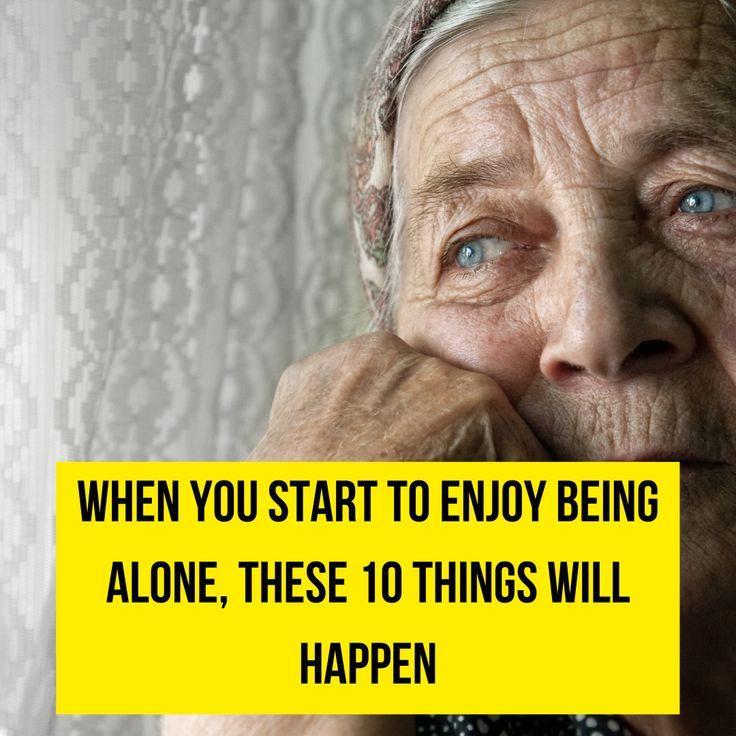
Throughout life, society often places a heavy emphasis on socialization, group activities, and constant interaction. From community gatherings to professional networking, humans are frequently encouraged to surround themselves with others. Yet, learning to appreciate solitude is a powerful part of personal growth.
In the digital world of lifestyle trivia and viral social media posts, sensationalized headlines frequently capture attention with intriguing lists about the psychological shifts that occur when someone begins enjoying being alone. While online posts often highlight emotional transformations, they reflect a deep-rooted cultural fascination with mental wellness, independence, and self-awareness.
Exploring the reality of solitude reminds us how crucial healthy self-reflection and mental well-being are. Just as understanding true emotional independence protects your well-being, making informed, structured choices in other areas of life ensures long-term security. Whether you are consulting a professional for emotional guidance, reviewing health insurance policies, exploring legal services, or managing your personal finances, taking a comprehensive approach ensures peace of mind.
Let’s explore the nature of solitude, the importance of independence, and how to approach personal well-being safely.
The Science of Solitude and Personal Independence
Human beings thrive when they balance social connections with healthy periods of quiet reflection and self-discovery.
H3: Realities of Embracing Solitude
- Inner Peace and Self-Discovery: Learning to enjoy your own company allows you to better understand your values, goals, and emotional needs without external pressures.
- The Importance of Balance: While healthy social ties are essential, spending intentional time alone fosters greater emotional resilience and independence.
- The Value of Professional Support: Real emotional growth and mental health challenges benefit greatly from professional counseling, supportive communities, and evidence-based care when needed.
H3: Common Misconceptions and Internet Wellness Myths
Sensationalized social media posts often suggest that enjoying solitude means completely cutting off the rest of the world. In reality, a healthy appreciation for being alone enhances your relationships and overall quality of life.
H2: Practical Health Management and Long-Term Wellness
Achieving and maintaining optimal emotional and physical well-being requires a combination of smart daily habits and professional support.
H3: Protecting Your Health and Future
Just as mindful emotional care prevents burnout, safeguarding your broader well-being requires careful planning:
- Routine Medical Consultations: Regular check-ups with healthcare providers or mental health professionals ensure that your emotional and physical health are properly supported.
- Health and Wellness Insurance: Ensuring your health insurance policy covers therapy, counseling, and medical care protects your financial stability against unexpected health needs.
- Legal and Estate Planning: Working with a legal professional to document your personal preferences ensures your affairs are properly protected.
H3: Building Sustainable Independence Habits
Focusing on self-compassion, maintaining healthy boundaries, and seeking professional guidance when needed provides a reliable foundation for long-term well-being.
H2: Interesting Facts About Solitude and Psychology
- The History of Reflection: Philosophers, writers, and thinkers throughout history have praised solitude as an essential catalyst for creativity and deep intellectual breakthroughs.
- The Psychology of Alone Time: Modern psychological studies show that intentional solitude helps lower stress levels and improves emotional regulation.
- The Mind-Body Connection: Taking quiet time to decompress significantly impacts physical health, underscoring the importance of mental wellness.
Conclusion: Embracing Solitude With Balance
While dramatic internet posts about enjoying being alone catch our attention on social media, true emotional balance requires a healthy mix of meaningful connections and quiet reflection. Prioritizing mental wellness and open communication ensures you navigate life successfully.
Just as emotional well-being relies on realistic choices, managing your broader life milestones demands careful attention. Whether you are reviewing health insurance policies, organizing your finances, or consulting with professionals for legal guidance, staying informed ensures long-term success and peace of mind.
FAQ Section: Solitude, Independence, and Wellness
Q1: Why is learning to enjoy being alone important for personal growth?
A1: Enjoying solitude helps individuals build self-awareness, understand their personal goals, and reduce reliance on external validation.
Q2: Does enjoying solitude mean avoiding other people entirely?
A2: No. Healthy solitude is about balancing social connections with restorative quiet time, not isolating oneself from society.
Q3: When should someone seek professional guidance for emotional well-being?
A3: Individuals should consult a qualified mental health professional whenever emotional challenges become overwhelming or interfere with daily life.
Q4: Why do articles about internet trivia sometimes mention finance, insurance, and legal services?
A4: Content platforms often connect lifestyle topics with broader themes of life planning, risk management, and personal protection, helping readers explore professional services that support overall security.
Q5: How can someone cultivate a healthy appreciation for being alone?
A5: Cultivating solitude involves setting aside intentional time for quiet hobbies, reflection, and self-care without distractions.
