
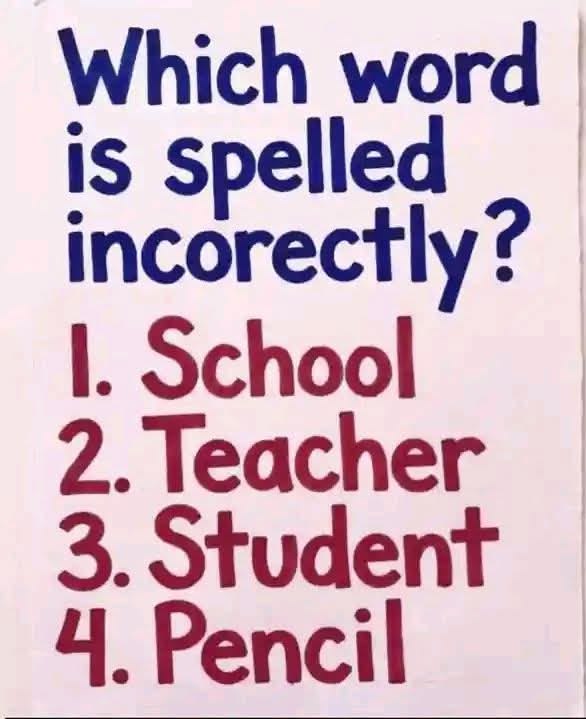
Throughout history, word games, spelling tests, and trick questions have been a popular form of entertainment, mental exercise, and educational tradition. From schoolroom challenges to modern puzzles shared among friends, humans have long enjoyed testing their observation and lateral thinking skills.
In the digital world of trivia and viral social media posts, sensationalized headlines frequently capture attention with clever wordplay and spelling puzzles. While online posts often spark lively debates over simple brain teasers, they reflect a deep-rooted cultural fascination with mental challenges and traditional problem-solving.
Exploring the history of spelling puzzles reminds us how much we enjoy exercising our minds. Just as solving trick questions satisfies our curiosity, making smart, structured decisions in other aspects of life requires careful planning. Whether you are reviewing your personal finances, exploring investment options, evaluating insurance policies, or consulting a legal professional, paying attention to the details always matters.
Let’s explore the origins of spelling challenges, why they remain so popular, and the clever answer behind this viral puzzle.
The Origins and Tradition of Spelling Puzzles
Word puzzles and spelling challenges are classic educational tools that have been used for generations to sharpen focus and attention to detail.
H3: How Spelling Puzzles Stimulate the Brain
Visual Scanning: Spelling challenges encourage people to look past assumptions and carefully examine individual letters to find hidden errors or trick phrasing.
Cultural Bonding: Sharing puzzles has historically served as a way to pass down knowledge, entertain groups, and foster social interaction.
H3: Cultural Significance and Shared Engagement
In many digital communities, classic spelling puzzles create immediate engagement as people rush to share their guesses.
A Universal Pastime: The challenge of spotting a hidden mistake appeals to all ages, turning a simple question into a viral moment.
Community Interaction: Comments sections fill with friendly debates, correct answers, and playful banter.
H3: Common Misconceptions and Internet Trends
On social media, viral posts often treat simple spelling trick questions as brand-new discoveries. In reality, they are timeless exercises in observation and wordplay that have been enjoyed for centuries.
H2: Practical Mindful Engagement and Long-Term Wellness
The tradition of solving puzzles highlights a broader lesson in keeping our minds sharp and maintaining balanced daily habits.
H3: Mental Agility and Lifelong Learning
Just as tackling brain teasers keeps your mind active, practicing mindful care today protects your overall well-being:
Cognitive Stimulation: Engaging in regular puzzles, reading, and problem-solving helps maintain mental sharpness as you age.
Health and Wellness Insurance: Ensuring your health insurance policy covers routine medical needs protects your financial stability against unexpected health issues.
Legal and Financial Planning: Working with professionals when managing your estate, business, or personal finances ensures long-term security and peace of mind.
H3: The Joy of Playful Problem-Solving
Taking a moment out of a busy day to solve a fun puzzle is a great way to give your brain a refreshing mental break.
H2: Interesting Facts About the History of Spelling and Puzzles
Ancient Writing Roots: Standardized spelling is a relatively modern invention; for centuries, words were spelled phonetically without rigid dictionaries.
The Psychology of Misdirection: Brain teasers often rely on psychological misdirection—such as highlighting one question while hiding the answer in plain sight—to catch solvers off guard.
The Joy of the Catch: Neuroscientists have found that spotting a hidden trick triggers a burst of dopamine in the brain, creating the satisfying feeling of an “aha!” moment.
Conclusion: Embracing Fun Mental Challenges
A viral post asking a spelling riddle is a fun way to spark conversation and test your observation skills. Exploring the history behind wordplay and puzzles gives us a greater appreciation for how simple mental exercises keep us sharp.
Just as puzzle trends come and go, managing your real-world milestones requires careful attention and planning. Whether you are organizing your finances, reviewing insurance policies, or consulting professionals for legal guidance, staying informed ensures long-term success and peace of mind.
FAQ Section: Spelling Puzzles, Brain Teasers, and Trivia
Q1: Which word is spelled incorrectly in the puzzle image?
A1: The word “incorectly” in the main question is spelled incorrectly (it is missing a second ‘r’). Among the four choices listed below, School, Teacher, Student, and Pencil are all spelled correctly.
Q2: Why are spelling and observation puzzles so popular on social media?
A2: They encourage high engagement because they are quick to read, fun to solve, and prompt users to test their wits and catch the hidden trick in the comments section.
Q3: How do brain teasers benefit cognitive health?
A3: Solving puzzles stimulates cognitive function, encourages attention to detail, and provides a healthy mental workout that keeps the brain active.
Q4: Why do articles about internet trivia sometimes mention finance, insurance, and legal services?
A4: Content platforms often connect lighthearted curiosity topics with broader themes of life planning, personal organization, and protection, helping readers explore professional services that support long-term security.
Q5: What makes a trick question effective?
A5: Trick questions often distract the reader’s attention toward a specific set of choices while the actual error or answer is hidden elsewhere in the prompt.
