
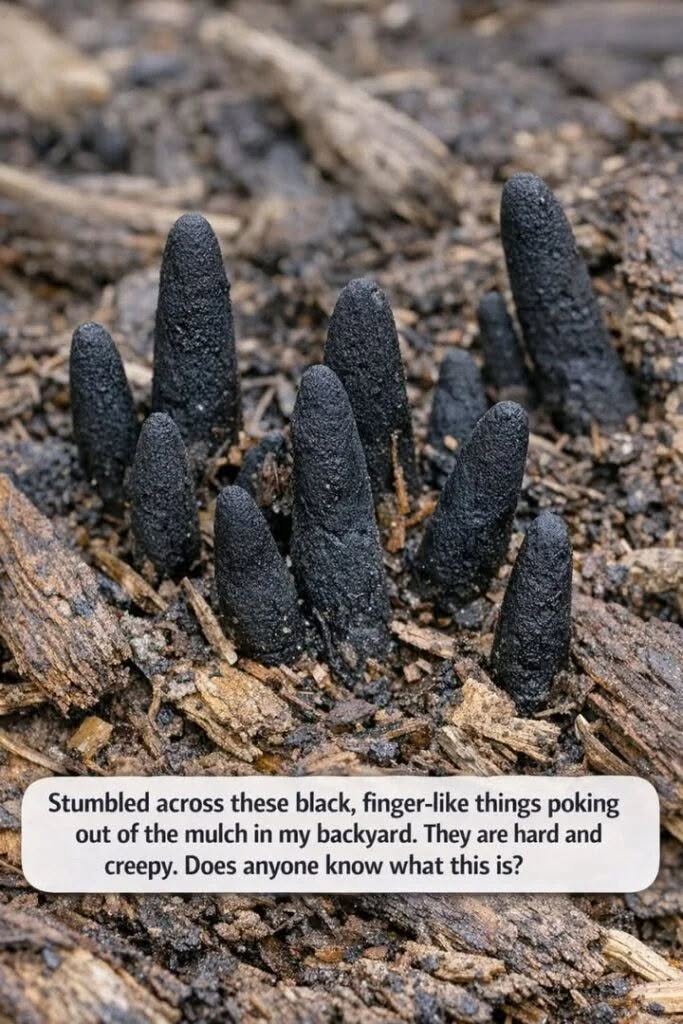
When walking through a residential backyard, discovering unexpected biological formations poking through the soil or mulch can be unsettling. A common source of homeowner curiosity involves finding dark, rigid, finger-like structures emerging in clusters from wood chips, decaying stumps, or moist garden beds. Often resembling charred human digits pushing up from the earth, these mysterious growths naturally evoke questions about their origin, safety, and impact on property health.
Scientifically known as Xylaria polymorpha, this fascinating organism is commonly referred to by the eerie moniker “Dead Man’s Fingers.” As a saprophytic fungus, it plays a vital role in decomposing organic matter in forest ecosystems and suburban landscapes alike. Understanding the biology of wood-decaying fungi, recognizing their role in soil ecology, and knowing how to manage property landscapes effectively helps homeowners navigate unusual yard discoveries with confidence.
The Biology of Dead Man’s Fingers (Xylaria polymorpha)
To understand why these dark, finger-like structures appear in backyard mulch, it helps to look at the life cycle of wood-decaying fungi. Xylaria polymorpha is a species of saprotrophic fungus, meaning it derives its nutrients by breaking down dead or decaying organic material—specifically lignin and cellulose found in wood.
When mulch is laid down around landscaping beds, it introduces a rich food source for fungal spores that travel through the air. Over time, as wood chips decompose beneath the surface, fungal networks colonize the material. When environmental conditions are right—typically following periods of heavy rain or high humidity—the fungus produces upright, club-shaped fruiting bodies that push through the surface of the mulch.
Stages of Growth
- Initial Emergence: Young fruiting bodies often appear grayish-white with a powdery texture as they produce asexual spores.
- Mature Phase: As the fungus matures, the structures darken into charcoal black, becoming hard, woody, and remarkably finger-like.
- Decomposition Phase: Over time, the structures dry out, release spores, and eventually break down, contributing organic matter back into the soil.
Garden Maintenance, Mulch Management, and Property Health
Finding fungal growths in mulch does not necessarily indicate that your entire garden is unhealthy; rather, it indicates that the natural decomposition process is active. Mulch breaks down over time, creating a moist, nutrient-rich microclimate that naturally attracts various species of fungi, slime molds, and beneficial microorganisms.
However, when fungal activity targets living trees, structural lumber, or wooden foundations, it requires closer attention. Managing mulch depth—keeping it around two to three inches and avoiding direct contact with tree trunks or house siding—prevents excessive moisture retention that can harbor unwanted wood-decaying organisms.
For homeowners juggling broader property maintenance tasks, keeping an eye on landscaping health is part of comprehensive home stewardship. Just as reviewing insurance policies, monitoring mortgage structures, or planning routine financial investments protects long-term equity, maintaining a healthy, balanced yard preserves curb appeal and prevents structural complications down the line.
Legal and Financial Considerations in Property Management
Unusual property conditions or unexpected structural shifts in landscaping sometimes intersect with broader real estate and legal considerations. If a homeowner is leasing property, managing a commercial real estate portfolio, or dealing with structural wood rot caused by aggressive fungi affecting structural timber, understanding liability and property contracts becomes essential.
In scenarios where major landscaping or structural damage occurs due to invasive rot or tree decay, consulting with a qualified attorney, property inspector, or legal services professional ensures that rights and responsibilities are properly managed. Similarly, ensuring that property insurance covers specialized structural claims provides financial protection against unforeseen environmental liabilities.
Practical Tips for Managing Fungal Growths in Your Yard
If you encounter strange fungal formations like Dead Man’s Fingers in your garden beds, managing them is typically straightforward. Consider these practical steps to keep your landscaping clean and balanced:
- Wear gloves when manually removing mature fungal structures from mulch beds to avoid skin irritation or accidental spore inhalation.
- Rake and churn dense, compacted mulch periodically to improve aeration and reduce moisture accumulation that encourages fungal growth.
- Maintain a proper distance between landscape mulch and wooden structures, fences, or tree trunks to prevent unwanted moisture transfer.
- Replace old, heavily decomposed mulch layers every couple of years with fresh wood chips to refresh the aesthetic and reset the organic balance.
- Consult a certified arborist or local extension office if you notice wood-decaying fungi appearing directly on the trunks of living shade trees, as this can indicate internal decay.
Interesting Facts About Xylaria polymorpha
- The species name polymorpha translates to “many forms,” reflecting how variable these fungal fingers can be in shape, size, and clustering.
- Unlike many soft mushrooms that wither within days, Dead Man’s Fingers are remarkably tough, woody, and persistent, often remaining rigid through multiple seasons.
- As saprophytes, these fungi act as nature’s recycling crew, breaking down tough plant polymers that other organisms cannot easily digest.
- The dark coloration of mature fruiting bodies is caused by a dense outer crust designed to protect the spores developing within the interior matrix.
- While visually startling, these fungi are non-toxic to touch, though they are inedible due to their hard, woody consistency.
Conclusion
Discovering rigid, black, finger-like growths pushing through your backyard mulch can feel like stepping into a horror movie, but it is actually just nature’s intricate recycling system at work. Xylaria polymorpha, or Dead Man’s Fingers, represents a fascinating glimpse into the hidden world of soil ecology and wood decomposition. By understanding how these fungi interact with organic mulch, maintaining proper garden ventilation, and managing landscape moisture, homeowners can easily keep their yards looking pristine while appreciating the complex biological networks beneath the surface.
Frequently Asked Questions
Are Dead Man’s Fingers poisonous or dangerous to touch?
No, touching the fungal structures is generally harmless, but they are completely inedible and should not be consumed by humans or pets.
Will Dead Man’s Fingers kill the plants in my garden?
Typically, no. They feed primarily on dead and decaying wood, such as buried mulch or old roots, rather than attacking healthy, living plant tissue.
How can I get rid of them permanently?
Because their microscopic spores travel through the air, completely eradicating them from outdoor environments is nearly impossible. However, removing old mulch, improving drainage, and increasing sunlight exposure can significantly reduce their appearance.
Do these fungi pose a threat to my home’s foundation?
While they belong to the broader category of wood-decaying fungi, Xylaria polymorpha specifically targets organic debris and decaying wood outdoors rather than structural framing lumber inside a properly constructed home.
