
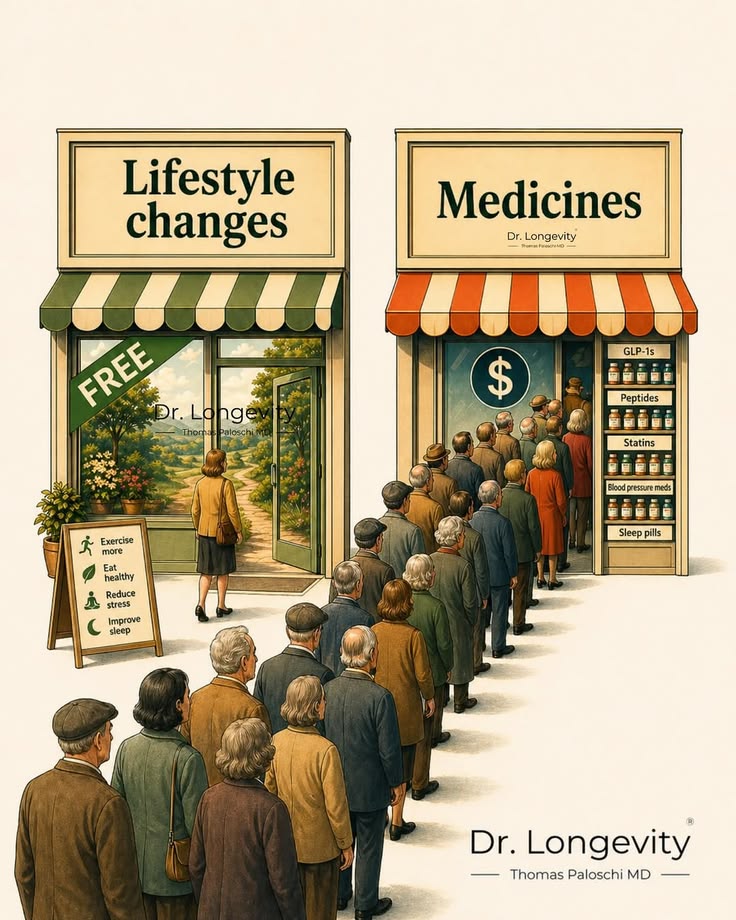
Navigating health, wellness, and preventive care often involves choosing between natural lifestyle modifications and medical interventions. When artistic or viral graphics illustrate this concept—such as a comparison between a “Lifestyle changes” shop labeled “FREE” and a “Medicines” shop requiring payment with a long queue of people—it sparks significant public conversation about modern healthcare habits.
For those exploring ways to maximize their long-term health, understanding the distinct roles of daily habits and medical treatments provides a balanced perspective. To explore this fully, we need to examine the impact of physical activity, nutrition, medical therapies, financial considerations, and practical tips for overall well-being.
Understanding Lifestyle Interventions Versus Pharmacological Options
Preventive health fundamentally relies on the foundation of healthy daily habits. Regular exercise, balanced nutrition, stress reduction, and proper sleep hygiene serve as the primary pillars of metabolic health, cardiovascular strength, and immune support. Making these sustainable lifestyle changes can prevent or delay the onset of chronic conditions like hypertension, type 2 diabetes, and cardiovascular disease.
However, modern medicine and pharmacological treatments—ranging from statins and blood pressure medications to specialized therapies—play an equally critical role when lifestyle interventions alone are insufficient to manage genetic predispositions, advanced disease stages, or acute medical needs. Combining healthy habits with professional medical guidance often yields the best long-term health outcomes.
Key Factors in Health and Longevity Choices
- Foundational Wellness: Daily habits such as exercising more, eating healthy foods, reducing stress, and improving sleep form the bedrock of preventive health.
- Medical Interventions: Prescription medications and clinical therapies provide targeted management for chronic conditions when lifestyle changes alone cannot fully control them.
- Holistic Balance: Integrating sustainable personal habits with regular medical checkups ensures comprehensive, well-rounded healthcare.
Financial, Legal, and Healthcare Planning for Medical Needs
Managing healthcare choices frequently involves evaluating the financial costs of medications, preventative care, and wellness programs. While lifestyle changes like walking or home cooking are low-cost, prescription drugs and specialized medical treatments can represent a substantial financial commitment, making health insurance and proactive budgeting essential.
Furthermore, ensuring that healthcare directives, insurance policies, and primary care appointments are well-managed provides vital security. Just as balancing diet and exercise supports physical longevity, organizing financial and medical logistics secures long-term stability and peace of mind.
Practical Tips for Building a Sustainable Health Routine
Integrating proactive wellness habits into your daily life involves simple, effective strategies. Consider these practical tips:
- Prioritize regular physical activity, such as daily walking, strength training, or yoga, to support cardiovascular and metabolic health.
- Focus on a nutrient-dense diet rich in whole foods, fresh vegetables, lean proteins, and healthy fats while minimizing processed items.
- Practice stress-reduction techniques like mindfulness, meditation, or breathing exercises to lower cortisol levels and improve mental well-being.
- Establish a consistent sleep schedule to support cognitive function, immune health, and physical recovery.
- Consult your primary care physician regularly to discuss your overall health, review any necessary medications, and tailor a wellness plan to your specific needs.
Interesting Facts About Longevity and Preventive Health
- Regular cardiovascular exercise significantly reduces the risk of heart disease and helps maintain healthy blood pressure levels naturally.
- The term “lifestyle medicine” is a growing medical specialty that focuses on using lifestyle interventions to prevent, treat, and even reverse chronic disease.
- Adequate sleep plays a vital role in cellular repair, memory consolidation, and metabolic regulation throughout the human body.
- Preventive healthcare screenings can detect early warning signs of illness long before symptoms become apparent, greatly improving treatment success.
- Balanced nutrition provides essential micronutrients that support cellular function and protect against oxidative stress over time.
Conclusion
Achieving long-term health and longevity is rarely about choosing exclusively between lifestyle changes and medicine; rather, it is about finding the right balance between proactive daily habits and necessary medical support. By embracing a healthy lifestyle of exercise, proper nutrition, and stress management while collaborating closely with healthcare professionals when medical treatments are needed, individuals can optimize their overall well-being.
Frequently Asked Questions
Can lifestyle changes replace the need for medication entirely?
While healthy habits can prevent or manage many chronic conditions, some medical conditions require prescription treatments to ensure patient safety and disease control.
What are the core pillars of lifestyle medicine?
The core pillars include regular physical activity, healthy nutrition, restorative sleep, stress management, social connection, and avoiding harmful substances.
Why do many people rely on medications as they age?
Age-related physiological changes, genetic factors, and chronic illnesses often require targeted pharmaceutical interventions to maintain health and stability.
How can I start making healthier lifestyle choices today?
Begin with small, manageable adjustments—such as adding a daily thirty-minute walk, improving your sleep routine, or incorporating more whole foods into your meals.
