
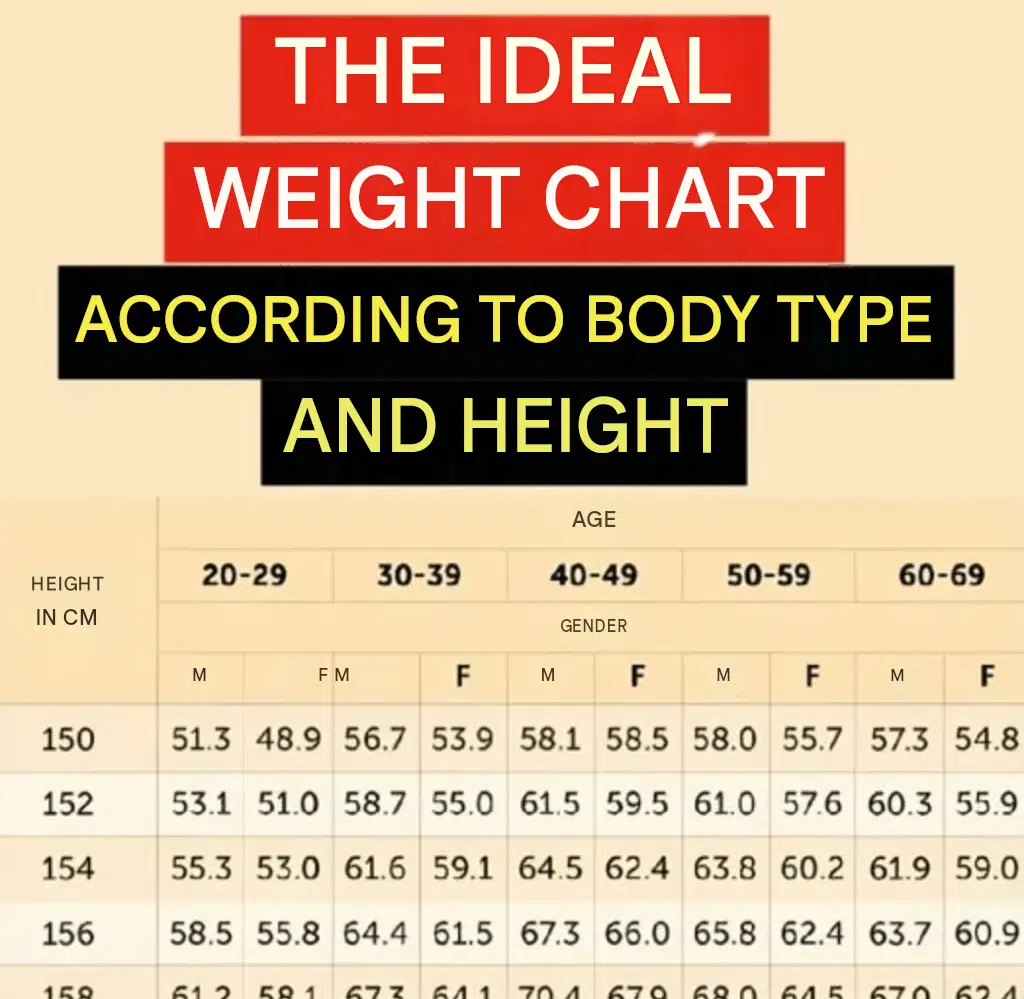
Navigating personal health goals often starts with a single question: “What is my ideal body weight?” For decades, standard weight charts and Body Mass Index (BMI) tables have been used by individuals and healthcare providers to quickly gauge whether an individual falls into a healthy weight range based on height, gender, and age.
While reference charts offer a quick baseline comparison, modern exercise physiology and clinical medicine emphasize that a single number on a scale does not tell the whole story. Understanding body composition—the ratio of muscle mass, bone density, water, and body fat—is far more critical to assessing health risks and physical vitality than relying on weight alone.
This comprehensive guide explores how ideal weight charts work, the differences between body weight and body composition, evidence-based methods for evaluating body health, and essential insights into health insurance, preventive care, and financial planning.
1. How Ideal Weight Charts Work and Where They Originated
Ideal weight tables initially gained popularity through life insurance companies in the mid-20th century, created as actuarial tools to estimate mortality risks based on height and body frame size.
Key Factors in Standard Weight Tables
- Height: Serves as the primary variable for determining expected skeletal volume and weight range.
- Biological Sex: Men and women naturally store body fat and muscle tissue differently. On average, men carry higher muscle and bone density, while women maintain higher essential fat percentages for endocrine and reproductive health.
- Age: As people age, metabolic rate naturally slows, muscle mass often declines (sarcopenia), and body fat distribution shifts. Age-based charts attempt to account for these gradual demographic changes.
2. Weight vs. Body Composition: Why the Scale Can Be Misleading
Measuring total body weight alone fails to distinguish between fat mass and lean body mass. Two individuals of the same height, age, and weight can have dramatically different body structures and health profiles.
1. Muscle Mass vs. Body Fat
Muscle tissue is significantly denser than adipose (fat) tissue. An athlete or strength-trained individual may weigh more than standard reference charts suggest, categorizing them as “overweight” or “obese” on a basic scale or BMI chart, despite having very low body fat and exceptional cardiovascular health.
2. Visceral Fat vs. Subcutaneous Fat
Where your body stores fat matters more than how much you weigh:
- Subcutaneous Fat: Fat stored directly under the skin (on the arms, legs, or hips). While cosmetically noticeable, it poses fewer metabolic health risks.
- Visceral Fat: Active metabolic fat stored deep within the abdominal cavity surrounding vital organs. High levels of visceral fat strongly correlate with insulin resistance, type 2 diabetes, and cardiovascular conditions, regardless of total body weight.
3. Better Metrics for Assessing Health and Fitness
Healthcare professionals and sports scientists rely on more comprehensive measurements alongside standard weight charts to evaluate overall health status.
1. Waist-to-Height Ratio (WtHR)
Measuring your waist circumference relative to your height offers a reliable indicator of abdominal fat distribution. A general health guideline is to keep your waist circumference to less than half your height ($Waist \div Height < 0.5$).
2. Body Fat Percentage
Evaluating actual body fat percentage gives a clearer picture of metabolic health than total weight alone:
- Essential Fat for Men: 2% – 5% | Fitness Range: 14% – 17%
- Essential Fat for Women: 10% – 13% | Fitness Range: 21% – 24%
3. Comprehensive Blood Markers and Metabolic Panels
A healthy body weight is best confirmed through key biological health indicators, including fasting blood glucose, HbA1c, lipid profiles (cholesterol and triglycerides), and blood pressure readings during routine physical exams.
4. Practical Strategies for Achieving and Maintaining a Healthy Weight
Achieving a healthy body composition requires sustainable lifestyle practices rather than aggressive short-term diets.
- Prioritize Strength Training: Engaging in resistance training twice to three times per week preserves lean muscle mass, boosts metabolic rate, and strengthens bone density.
- Focus on Balanced Whole-Food Nutrition: Emphasize high-protein sources, leafy vegetables, high-fiber legumes, and healthy fats to support satiety and tissue repair.
- Maintain Daily Activity: Incorporate regular aerobic exercise—such as walking, cycling, or swimming—to support cardiovascular circulation and endurance.
- Optimize Sleep and Stress Management: Chronic stress and sleep deprivation elevate cortisol levels, which can promote abdominal fat storage and stimulate unhealthy food cravings.
5. Preventive Health, Medical Insurance, and Financial Wellness
Taking a proactive approach to body composition and metabolic health is one of the most effective long-term investments in physical and financial well-being.
Leveraging Preventive Healthcare Services
- Routine Wellness Exams: Modern health insurance plans frequently cover annual preventive checkups, cholesterol panels, and diabetes screenings at little to no out-of-pocket cost.
- Insurance Incentive Programs: Many health insurance policies offer financial discounts, subsidized gym memberships, or wellness rewards for meeting verifiable health targets or completing annual assessments.
- Specialist Consultations: If managing weight involves underlying metabolic or hormonal challenges, working with endocrinologists, registered dietitians, or bariatric specialists ensures targeted, medically sound guidance.
6. Fascinating Facts About Human Weight and Body Composition
- Circadian Weight Fluctuations: A person’s body weight naturally fluctuates by 2 to 5 pounds throughout a single day due to fluid shifts, sodium intake, and food digestion.
- Bone Density Weight: Human skeleton weight accounts for only about 12% to 15% of total body weight, dispelling the myth that “heavy bones” cause significant weight differences.
- The Muscle Burn Myth: While muscle burns more calories at rest than fat tissue, the difference is roughly 6 calories per pound of muscle versus 2 calories per pound of fat per day—meaning overall physical activity remains the primary driver of daily energy burn.
- Hydration Impact: Muscle tissue is approximately 75% water, whereas body fat contains only about 10% water.
7. Frequently Asked Questions (FAQ)
What is the most accurate way to measure body fat?
DEXA (Dual-Energy X-ray Absorptiometry) scans, hydrostatic underwater weighing, and air displacement plethysmography (Bod Pod) are among the most accurate clinical methods for measuring body composition.
Why do weight charts vary so much between sources?
Different charts utilize varying statistical datasets, frame size definitions, or BMI thresholds. Some rely on historical insurance actuarial tables, while others use modern WHO (World Health Organization) standards.
Does muscle weigh more than fat?
A pound of muscle weighs the exact same as a pound of fat. However, muscle is significantly denser, occupying about 18% less volume than an equivalent mass of fat tissue.
How often should I weigh myself?
Weighing yourself once a week under consistent conditions (e.g., in the morning on an empty stomach after using the restroom) provides a reliable trend without the anxiety caused by daily water weight fluctuations.
Conclusion: Looking Beyond the Number on the Scale
Ideal height and weight charts offer a quick initial reference point, but true health extends far beyond a scale weight. Prioritizing lean muscle maintenance, balanced nutrition, active living, and healthy metabolic blood markers ensures long-term strength, mobility, and cardiovascular vitality.
Focus on how you feel, your functional strength, and guidance from healthcare professionals to build a sustainable wellness journey tailored to your unique body.
