
Colorectal cancer remains one of the most treatable forms of cancer when detected early. However, anxiety surrounding traditional optical colonoscopies—specifically sedation risks, invasive endoscopes, and intensive bowel preparation—causes millions of adults to delay or skip routine screenings altogether.
Advances in medical imaging and non-invasive screening technologies have made colorectal screening more accessible. Prominent non-invasive and minimally invasive alternatives—such as Virtual Colonoscopy (CT Colonography), stool-based DNA tests, and capsule endoscopy—offer effective diagnostic options for eligible patients.
This comprehensive guide explores non-invasive colonoscopy alternatives, compares traditional versus virtual colonography, details screening guidelines, and provides essential insights into health insurance coverage, preventive care benefits, and financial wellness.
1. What is a Virtual Colonoscopy (CT Colonography)?
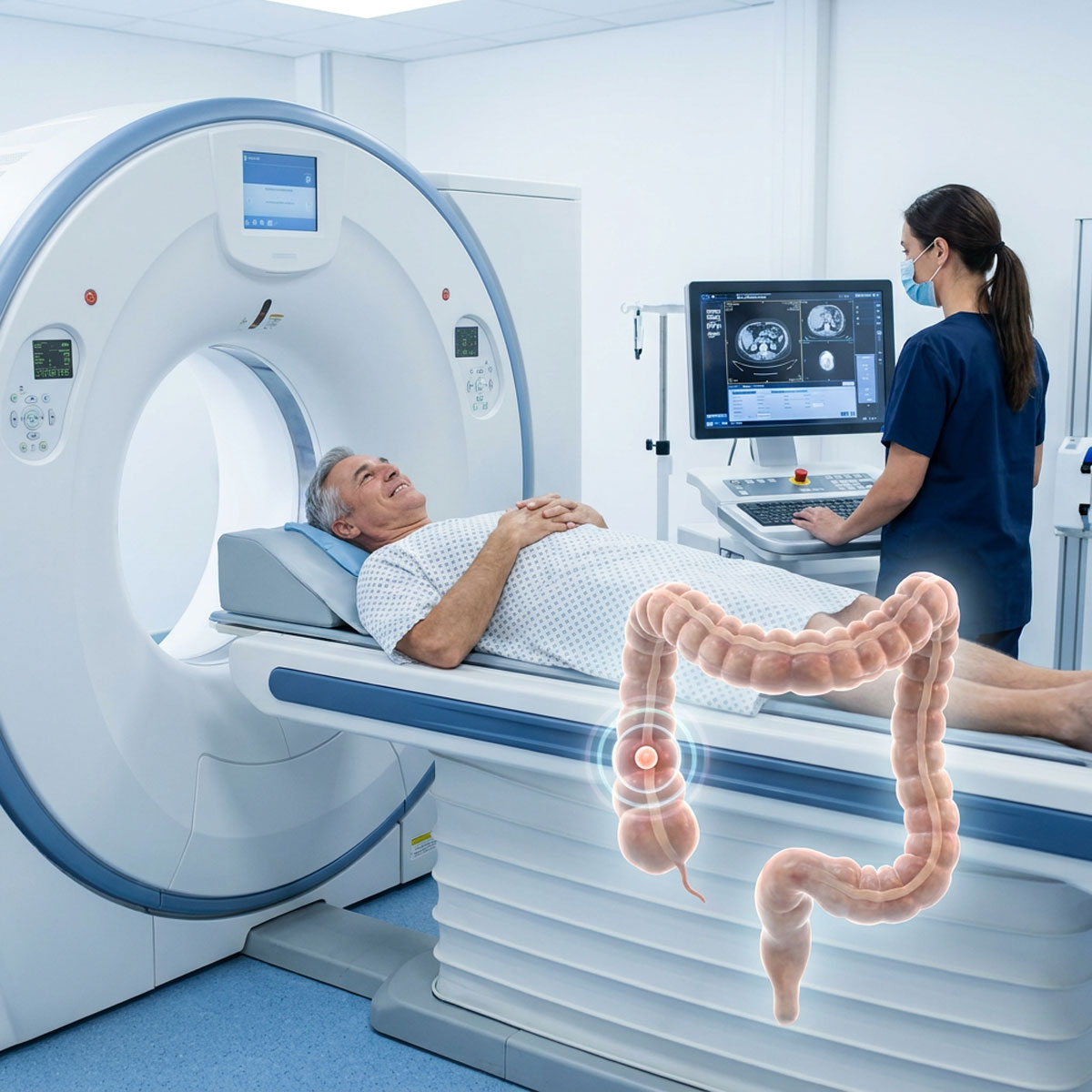
A Virtual Colonoscopy, known medically as CT Colonography, utilizes advanced low-dose computed tomography (CT) scanning to generate detailed 2D and 3D cross-sectional images of the large intestine and rectum.
How the Procedure Works
- Minimal Preparation & Infiltration: While bowel cleansing is still required, the procedure does not require intravenous sedation or general anesthesia.
- Gentle Inflation: A small, flexible catheter is inserted slightly into the rectum to gently inflate the colon with carbon dioxide or room air to smooth out folds.
- Rapid Imaging: The patient lies on a motorized table that moves through the CT scanner ring. High-resolution images are captured in under 10 to 15 minutes.
- Immediate Recovery: Because no sedation is administered, patients can drive themselves home immediately and return to daily activities or work without downtime.
2. Comparing Optical Colonoscopy vs. Virtual Colonoscopy
Understanding the distinct pros and cons of optical and virtual colonoscopies helps patients work with their gastroenterologists to choose the best initial screening strategy.
1. Traditional Optical Colonoscopy
- How It Works: A gastroenterologist inserts a long, flexible lighted tube with a camera (colonoscope) through the entire length of the colon.
- Key Advantage: It is both diagnostic and therapeutic. If polyps or precancerous lesions are detected, the physician can remove them immediately during the same procedure.
- Disadvantages: Requires sedation, an adult driver for transportation, and carries a small risk of bowel perforation.
2. Virtual Colonoscopy (CT Colonography)
- Key Advantages: Highly accurate for detecting medium and large polyps, non-invasive, fast, requires no sedation, and allows visualization of organs outside the colon (such as the kidneys, liver, and abdominal aorta).
- Disadvantages: If a polyp or suspicious growth is detected on the CT scan, the patient must subsequently undergo a follow-up optical colonoscopy to remove the polyp and obtain tissue biopsies.
3. Other Non-Invasive Colorectal Cancer Screening Methods
For average-risk individuals who prefer to avoid imaging procedures altogether as a primary screening tool, several non-invasive laboratory-based options are widely available.
1. Stool DNA and Fecal Immunochemical Tests (e.g., Cologuard / FIT)
- At-Home Convenience: These non-invasive tests are performed at home by collecting a stool sample and sending it to a laboratory.
- Mechanism: FIT detects hidden microscopic blood in the stool. Combined stool DNA tests analyze both microscopic blood and altered cellular DNA markers shed by colorectal tumors or advanced polyps.
- Frequency: Typically performed every 1 to 3 years for average-risk individuals starting at age 45.
2. Wireless Capsule Endoscopy (“PillCam”)
- How It Works: The patient swallows a vitamin-sized capsule containing miniature wireless cameras that take thousands of images as it passes naturally through the digestive tract.
- Primary Use: Primarily utilized to evaluate the small intestine, though specialized colon capsules are used in select clinical scenarios where traditional colonoscopy is incomplete or contraindicated.
4. Current Screening Guidelines: When Should You Get Screened?
Major medical organizations, including the U.S. Preventive Services Task Force (USPSTF) and the American Cancer Society (ACS), recommend the following screening protocols:
- Start at Age 45: Routine screening for colorectal cancer should begin at age 45 for all adults at average risk.
- Higher-Risk Individuals: Patients with a family history of colorectal cancer, inflammatory bowel disease (Crohn’s disease or ulcerative colitis), or genetic syndromes (such as Lynch syndrome) should begin screening earlier as advised by their physician.
- Screening Intervals:
- Traditional Optical Colonoscopy: Every 10 years (if normal).
- CT Colonography (Virtual Colonoscopy): Every 5 years (if normal).
- Stool DNA-FIT Test: Every 3 years (if normal).
5. Health Insurance, Preventive Care Coverage, and Financial Protection
Navigating healthcare coverage for cancer screening ensures maximum financial benefits and avoids unexpected out-of-pocket medical bills.
Understanding Insurance Coverage for Screenings
- Affordable Care Act (ACA) Mandate: Under federal preventive care guidelines, most health insurance plans, commercial policies, and Medicare cover primary colorectal cancer screenings at 100% with zero co-pays or deductibles for eligible adults aged 45 to 75.
- Diagnostic Follow-Up Coverage: If a non-invasive screening test (such as a FIT test, stool DNA test, or CT colonography) produces a positive result, subsequent optical colonoscopy procedures are generally classified as diagnostic follow-up screenings. Federal policy updates require insurers to cover this follow-up colonoscopy without cost-sharing.
- Pre-Authorization Requirements: Always verify with your health insurance provider whether CT colonography or specific stool-based tests require pre-authorization prior to scheduling your appointment.
6. Fascinating Facts About Colorectal Health and Medical Imaging
- Polyp Development Time: Most colorectal cancers develop slowly from benign precancerous polyps over a period of 10 to 15 years, making regular screening exceptionally effective for cancer prevention.
- Low-Dose Radiation: Modern CT colonography scanners utilize advanced low-dose radiation protocols, delivering a minimal fraction of the radiation exposure associated with traditional abdominal CT scans.
- Extracolonic Findings: CT colonography provides a panoramic view of the abdomen, allowing radiologists to occasionally spot early-stage asymptomatic conditions in adjacent organs, such as kidney masses or abdominal aortic aneurysms.
7. Frequently Asked Questions (FAQ)
Is bowel prep still required for a Virtual Colonoscopy?
Yes. Clear visualization of the colon wall requires removing stool residue. However, bowel prep regimens for CT colonography are often lower in volume and may utilize contrast liquids that label remaining fluid for computerized subtraction.
Can polyps be removed during a Virtual Colonoscopy?
No. CT colonography is an imaging procedure only. If a polyp or abnormal tissue growth is discovered, an optical colonoscopy must be scheduled to safely remove the polyp.
Is Virtual Colonoscopy covered by Medicare?
Medicare covers traditional optical colonoscopies and stool-based screening tests (such as FIT and stool DNA tests). Coverage for screening CT colonography varies, so check your specific plan details before undergoing the procedure.
Is a Virtual Colonoscopy as accurate as a traditional colonoscopy?
CT colonography has comparable sensitivity to optical colonoscopy for detecting clinically significant medium to large polyps (6 mm or larger) and colorectal tumors.
Conclusion: Prioritize Screening with the Right Option for You
Preventive screening remains the most reliable defense against colorectal cancer. Whether you choose a traditional optical colonoscopy, a virtual CT colonography, or an at-home stool test, taking the step to get screened starting at age 45 is what matters most.
Consult your primary care physician or gastroenterologist to determine the ideal screening strategy for your personal health profile, insurance coverage, and comfort level.
