
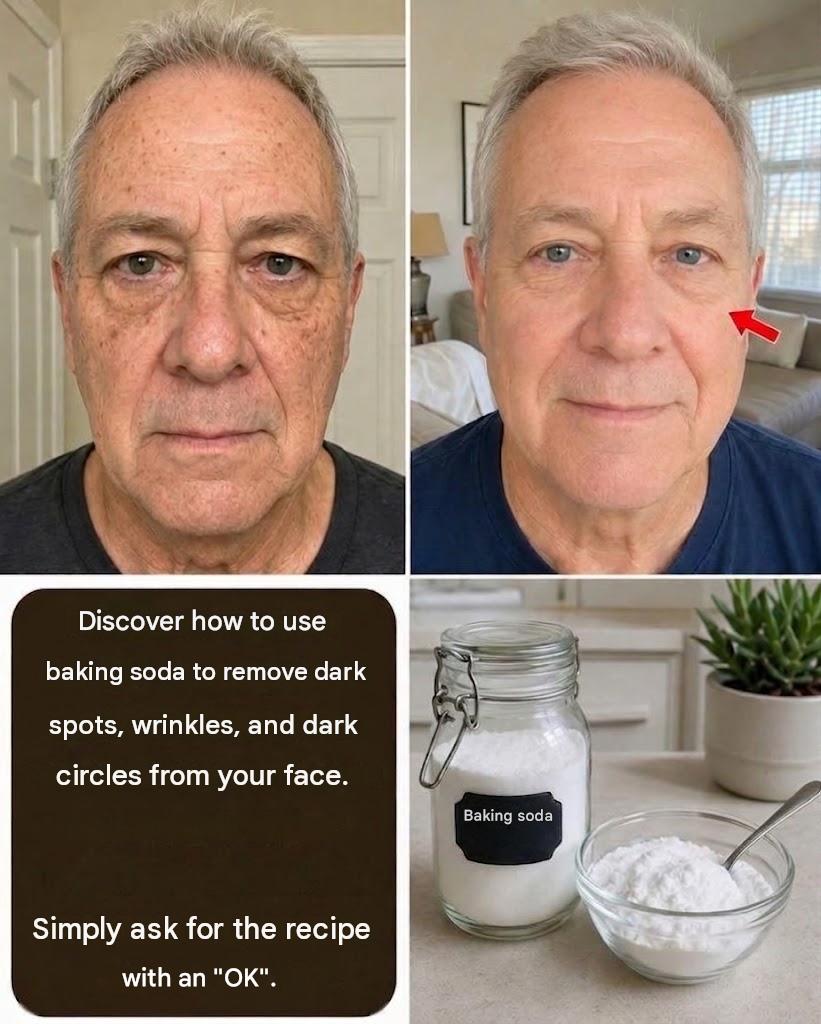
Viral social media posts frequently promote household DIY hacks, claiming that everyday ingredients like baking soda (sodium bicarbonate) can instantly erase dark spots, deep wrinkles, and under-eye dark circles. Often paired with dramatic, digitally altered before-and-after photos, these claims promise low-cost cosmetic transformations without clinical intervention.
However, board-certified dermatologists strongly advise against applying baking soda directly to delicate facial skin. Baking soda’s highly alkaline pH disrupts the skin’s protective acid mantle, causing severe barrier damage, dryness, irritation, and potential long-term hyperpigmentation.
This comprehensive guide breaks down the biological risks of using baking soda on facial skin, debunks popular DIY anti-aging myths, outlines clinical treatments for dark spots and wrinkles, and provides key insights into health insurance, preventive care, and financial wellness.
1. The Science of Skin pH: Why Baking Soda Harms the Skin Barrier
To understand why baking soda is unsuitable for facial skin, it helps to examine epidermal pH balance and skin barrier function.
1. The Acid Mantle
Healthy human skin maintains a naturally acidic surface pH ranging between 4.5 and 5.5. This delicate acidic environment, known as the acid mantle, is composed of natural oils, amino acids, and beneficial microflora. It serves as a protective barrier against moisture loss, harmful bacteria, and environmental toxins.
2. High Alkalinity of Baking Soda
Baking soda (sodium bicarbonate) has an extremely high alkaline pH of approximately 9.0.
- Barrier Disruption: Applying an alkaline substance like baking soda neutralizes the natural acid mantle, stripping away vital skin lipids.
- Irritation & Chemical Burns: Disrupting the barrier leads to contact dermatitis, severe redness, dryness, and microscopic tears in the outer skin layer (epidermis).
- Worsened Hyperpigmentation: For individuals prone to dark spots, severe skin irritation caused by baking soda can trigger post-inflammatory hyperpigmentation (PIH), making dark spots darker rather than lighter.
2. Separating DIY Anti-Aging Myths from Dermatological Facts
Evaluating common online claims against clinical science helps prevent accidental skin damage.
Myth: Baking Soda Exfoliates Away Wrinkles and Dark Circles
- The Reality: Baking soda consists of coarse, abrasive sodium bicarbonate crystals. Mechanical scrubbing with these jagged particles causes micro-abrasions on delicate facial skin—especially under the thin eye area—accelerating collagen breakdown and deepening premature fine lines.
Myth: Natural Kitchen Ingredients Are Always Safer Than Skincare Products
- The Reality: “Natural” does not mean biologically compatible. While baking soda is safe for cooking and household cleaning, its chemical structure is far too harsh for facial application. Safe cosmetic formulations are pH-balanced specifically to protect the skin barrier.
3. Evidence-Based Treatments for Dark Spots, Wrinkles, and Under-Eye Circles
Dermatology provides several safe, clinically validated alternatives for address facial aging and hyperpigmentation effectively.
1. Topical Medical Ingredients
- Prescription Retinoids (Tretinoin/Retinol): Stimulate collagen production, speed up epidermal cell turnover, and smooth fine lines.
- Vitamin C (L-Ascorbic Acid): A potent antioxidant that neutralizes free radicals, inhibits tyrosinase (melanin production), and brightens uneven skin tone.
- Niacinamide (Vitamin B3): Calms inflammation, strengthens the skin barrier, and reduces pigment transfer.
- Alpha Hydroxy Acids (AHAs): Gentle chemical exfoliants like glycolic acid and lactic acid safely dissolve dead skin cells without micro-tearing the skin.
2. Clinical Dermatological Procedures
- Chemical Peels: Controlled, pH-balanced acid peels performed by professionals to shed pigmented surface layers safely.
- Laser & Light Therapies: Intense Pulsed Light (IPL) and Q-switched lasers target localized melanin deposits and stimulate deep collagen remodeling.
- Microneedling: Promotes natural elastin and collagen synthesis to improve overall skin texture.
4. Daily Skincare Routine for Healthy Aging
Building a simple, effective daily routine supports skin health without risky DIY hacks:
- Gentle Cleansing: Use a low-pH, non-foaming facial cleanser morning and night.
- Hydration & Barrier Repair: Apply moisturizers rich in ceramides, hyaluronic acid, and fatty acids to lock in moisture.
- Daily Sun Protection: Apply broad-spectrum SPF 30+ daily. Sun exposure is the primary driver of premature wrinkles (photoaging) and dark spots.
- Avoid Harsh Scrubs: Replace physical abrasives with low-dose topical chemical exfoliants 1 to 2 times weekly.
5. Preventive Care, Health Insurance, and Dermatological Wellness
Navigating skin health thoughtfully involves maximizing healthcare benefits and coordinating with medical professionals.
Leveraging Healthcare Coverage for Skin Safety
- Consulting Board-Certified Dermatologists: If you experience skin discoloration, sudden moles, or severe irritation, a professional medical evaluation ensures accurate diagnosis (ruling out conditions like melasma or skin carcinomas).
- Preventive Health Benefits: Annual full-body skin cancer screenings are routinely covered under standard medical insurance policies.
- Cosmetic vs. Diagnostic Coverage: While purely cosmetic procedures (such as elective laser resurfacing or anti-wrinkle treatments) are out-of-pocket expenses, diagnostic checkups, prescriptions for inflammatory skin conditions, and patch testing are eligible for medical insurance coverage.
- HSA/FSA Eligibility: Qualified sunscreens, prescription topical treatments, and medical co-pays can be covered using Health Savings Accounts (HSAs) or Flexible Spending Accounts (FSAs).
6. Fascinating Facts About Skin Biology and Aging
- Under-Eye Vulnerability: The skin around your eyes is only about 0.5 mm thick—roughly one-fifth the thickness of the rest of your facial skin—making it uniquely sensitive to harsh chemicals and micro-tears.
- Collagen Loss: Starting in your mid-20s, the skin naturally loses approximately 1% of its total collagen content per year.
- Sun Impact: Photoaging from ultraviolet radiation accounts for up to 80% to 90% of visible facial aging symptoms, including fine lines, deep wrinkles, and hyperpigmentation.
7. Frequently Asked Questions (FAQ)
Can baking soda be safely used as a facial scrub if diluted with water or honey?
No. Adding water or honey does not lower the alkaline pH of baking soda to a skin-safe level (4.5–5.5). Its high alkalinity and abrasive texture still risk damaging the skin barrier.
What should I do if I already used baking soda on my face and feel burning?
Rinse your face thoroughly with cool water immediately. Stop using all active exfoliants or retinoids, and apply a plain, fragrance-free ceramide moisturizer or petroleum jelly to help repair the skin barrier.
How long does it take to fade dark spots with safe dermatological products?
Consistent daily use of targeted topical treatments (like vitamin C, niacinamide, or retinoids) alongside strict daily SPF use typically yields visible fading within 8 to 12 weeks.
Why do DIY baking soda videos look so convincing online?
Viral posts often rely on ring lighting, digital filters, or photo editing to create dramatic “before and after” illusions designed to maximize social media engagement.
Conclusion: Protect Your Skin Barrier with Science-Backed Care
While DIY home recipes like baking soda masks may sound convenient, their high alkalinity and physical abrasiveness pose serious risks to facial health. Real skin transformation relies on respecting the body’s natural chemistry, prioritizing sun protection, and using pH-balanced, evidence-based treatments.
Consult a board-certified dermatologist to establish a personalized anti-aging skincare plan tailored to your specific skin type and health goals.
