
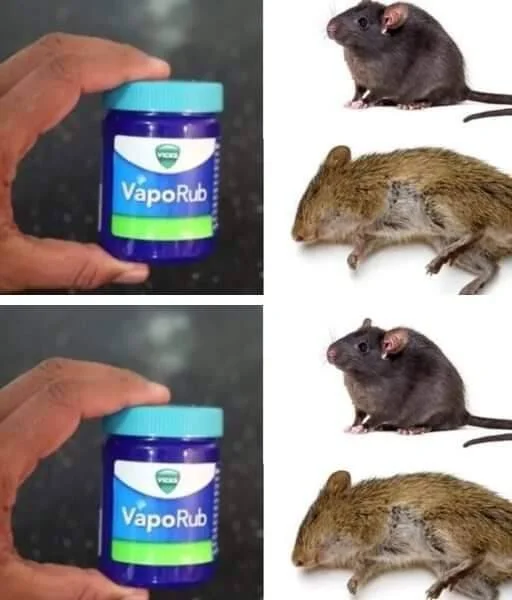
Homeowners frequently search for natural, chemical-free methods to deter rodents like mice and rats from entering living spaces. Among popular online DIY trends, using mentholated ointments such as Vicks VapoRub is often promoted as a quick fix to keep pests away.
The claim suggests that the strong odors of menthol, camphor, and eucalyptus overwhelm a rodent’s keen sense of smell, forcing them to avoid areas where the ointment is applied. However, while intense essential oil vapors can cause temporary annoyance to pests, relying on Vicks VapoRub as a long-term pest management strategy is ineffective and impractical.
This comprehensive guide breaks down the biological science behind menthol scents and rodent behavior, evaluates the limitations of VapoRub as a repellent, outlines proven pest control methods, and provides key insights into home maintenance and financial protection.
1. The Science: Why Rodents React to Strong Scents
To understand why mentholated ointments are often suggested for pest control, it helps to examine rodent biology and olfactory senses.
1. High Olfactory Sensitivity
Mice and rats rely heavily on their sense of smell to navigate, forage for food, recognize territory, and detect potential predators. Because their olfactory system is highly developed, acute exposures to concentrated essential oils—such as peppermint oil, eucalyptus, or menthol—can mask scent trails and cause brief irritation.
2. Olfactory Adaptation (Habituation)
While a strong smell like Vicks VapoRub may cause initial hesitation, rodents adapt rapidly to static scents in their environment. Once a mouse realizes that the scent of menthol does not accompany an active threat or danger, it will simply ignore the odor to access food, warm nesting materials, or shelter.
2. Practical Limitations of Using VapoRub for Pest Control
Using topical menthol ointments to deter mice presents several structural and practical challenges:
- Fast Evaporation: The active volatile compounds in VapoRub (menthol, camphor, and eucalyptus oil) evaporate quickly when exposed to open air. The strong smell diminishes rapidly within hours or days, requiring constant reapplication.
- Greasy Residue: VapoRub is a petroleum-jelly-based ointment. Smearing it along baseboards, entry points, or countertops leaves sticky, oil-attracting residue that can stain drywall, wood, and flooring.
- Non-Lethal & Non-Barrier: VapoRub does not physically block holes, nor does it reduce rodent populations. Rodents can easily walk past or navigate around small patches of ointment.
3. Evidence-Based Strategies for Rodent Control
Achieving a rodent-free home requires integrated pest management (IPM) techniques that focus on exclusion, sanitation, and effective population control.
1. Physical Exclusion (Sealing Entry Points)
Mice can squeeze through tiny openings as small as a dime. Sealing these entry points is the single most effective way to prevent infestations:
- Steel Wool and Caulk: Fill small holes around pipes, gas lines, and foundation gaps with steel wool, then seal tightly with silicone or polyurethane caulk. Mice cannot chew through steel wool.
- Door Sweeps & Weather Stripping: Install heavy-duty metal door sweeps on exterior doors and repair damaged garage door bottom seals.
2. Strict Sanitation Measures
Rodents inhabit homes primarily in search of food and shelter:
- Store food, pet kibble, and birdseed in airtight glass or thick plastic containers.
- Clean kitchen crumbs, wipe countertops, and vacuum under appliances regularly.
- Keep outdoor trash cans tightly sealed with fitted lids.
3. Effective Trapping & Removal
- Snap Traps: Traditional wooden or plastic snap traps placed perpendicular to walls (where mice run) remain one of the most reliable, non-toxic methods for population control.
- Proper Baiting: Use small amounts of high-protein bait such as peanut butter or hazelnut spread to entice rodents onto trap triggers.
4. Safe Home Protection, Insurance, and Property Maintenance
Managing home pest control thoughtfully involves preserving property value and protecting your living environment.
Understanding Home Insurance and Pest Management
- Homeowners Insurance Coverage: Most standard homeowners insurance policies exclude damage caused by pests, vermin, or rodent infestations, considering rodent control a routine home maintenance responsibility.
- Preventing Structural Damage: Rodents frequently gnaw on electrical wiring, PEX plumbing lines, and attic insulation, creating severe fire hazards and costly structural damage. Timely physical remediation prevents major out-of-pocket repair costs.
- Professional Pest Control Services: For persistent or large-scale infestations, hiring a licensed pest control professional ensures comprehensive inspection, professional exclusion work, and targeted remediation.
5. Fascinating Facts About Rodent Biology and Behavior
- Remarkable Flexibility: A house mouse can squeeze through a gap just 6 millimeters ($1/4\text{ inch}$) in diameter due to its flexible skeletal structure and unattached clavicles.
- Continuous Tooth Growth: A rodent’s incisors grow continuously at a rate of roughly 0.4 mm per day, forcing them to constantly gnaw on hard surfaces like wood, plastic, and wires to wear them down.
- Reproductive Speed: A single female mouse can produce up to 5 to 10 litters per year, with each litter containing 5 to 6 pups, leading to rapid population growth if left unmanaged.
6. Frequently Asked Questions (FAQ)
Does the scent of Vicks VapoRub harm mice?
No. The menthol and camphor vapors may cause temporary irritation to a mouse’s nasal passages, but it will not kill or harm the rodent.
What naturally repels mice effectively?
Highly concentrated 100% pure peppermint essential oil applied to cotton balls can offer mild short-term deterrence, but physical exclusion (sealing entry holes) is essential for long-term prevention.
Is Vicks VapoRub safe to put near pets to keep mice away?
No. VapoRub contains camphor and petroleum products, which can be toxic to cats and dogs if ingested or licked off surfaces.
Why do mice keep coming back even after using repellents?
Mice return because repellents do not address the root causes: unsealed entry points and accessible food sources. As long as warmth and food remain available, mice will tolerate strong smells to reach them.
Conclusion: Rely on Physical Exclusion for Lasting Protection
While life hacks like using Vicks VapoRub sound simple, strong scents provide only temporary, localized disruption rather than effective rodent control.
Protecting your home from mice requires a proactive approach: seal structural entry points with steel wool, practice consistent kitchen sanitation, and utilize proven trapping methods to maintain a safe, pest-free environment.
