
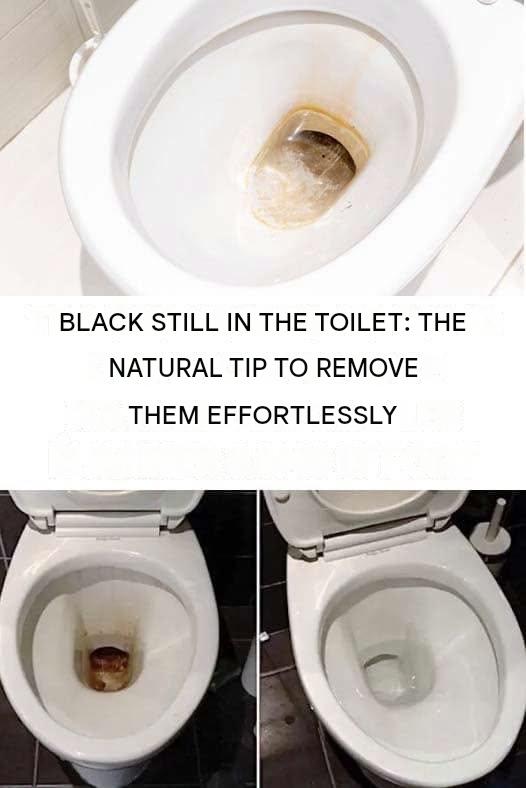
Over time, toilet bowls often develop unsightly brown, black, or yellowish stains around the waterline and trapped inside the bowl trap. While many assume these dark rings indicate poor hygiene, they are typically caused by mineral deposits—such as calcium, magnesium, iron, and manganese—present in hard tap water supplies.
While commercial chemical cleaners promise quick fixes, many contain harsh acids or bleach that can emit toxic fumes, corrode plumbing fixtures over time, or prove harmful to septic tank systems. Fortunately, eco-friendly, budget-friendly pantry ingredients can eliminate deep mineral buildup effectively without severe chemical exposure.
In this comprehensive home cleaning and maintenance guide, we will analyze what causes dark toilet stains, explore safe and effective natural remedies, discuss financial savings associated with eco-friendly cleaning practices, and provide actionable tips for maintaining a spotless bathroom.
What Causes Dark Stains and Rings in Toilet Bowls?
Understanding the mineral composition of household water helps in selecting the right cleaning strategy for stubborn bathroom stains.
1. Hard Water and Limescale Accumulation
When mineral-rich water sits constantly in the toilet bowl, dissolved calcium carbonate precipitates out and adheres to the porcelain surface. This creates a rough, porous limescale crust that easily traps microscopic dirt, rust, and bacteria.
2. Iron and Manganese Oxidation
Tap water containing trace amounts of iron or manganese reacts with oxygen in the air, creating dark reddish-brown, dark orange, or blackish mineral oxidation marks along the waterline.
3. Mold and Mildew Growth
The continuously moist environment of a toilet bowl provides an ideal habitat for black mold spores or bacterial biofilms, particularly in infrequently flushed guest bathrooms or humid climates.
The Ultimate Natural Cleaning Method: Vinegar and Baking Soda
Combining white vinegar (a mild natural acid) with baking soda (a gentle abrasive) creates a powerful chemical reaction that breaks down hard mineral deposits effortlessly.
Ingredients Needed
- 2 cups distilled white vinegar (or cleaning vinegar)
- 1 cup baking soda
- 1 toilet scrub brush
- A pair of protective cleaning gloves
Step-by-Step Cleaning Guide
- Remove Standing Water (Optional for Deep Stains): Use a small cup or toilet plunger to push excess water out of the bowl. Exposing the stained porcelain directly to the natural solution improves cleaning efficacy.
- Apply the White Vinegar: Pour 1 to 2 cups of white vinegar around the inner bowl walls and directly over the dark ring. Let it sit undisturbed for 20 to 30 minutes to dissolve mineral bonds.
- Add the Baking Soda: Sprinkle 1 cup of baking soda evenly over the stained areas inside the bowl. The vinegar and baking soda will fizz vigorously as carbon dioxide gas releases, loosening stubborn crusts.
- Scrub and Soak: Use a stiff-bristled toilet brush to thoroughly scrub the loosened deposits. For severe or dark buildup, let the mixture soak for an additional 1 to 2 hours (or overnight).
- Flush and Shine: Flush the toilet to rinse away the dissolved debris. The bowl will return to a bright, clean condition.
Alternative Natural Remedies for Tough Limescale
If hard water stains persist, these additional household items offer targeted cleaning power:
Citric Acid Powder
Citric acid is an organic plant-derived acid that dissolves tough limescale rapidly. Pour 3 to 4 tablespoons of pure citric acid powder directly into the toilet bowl water, let it sit for 2 to 3 hours, scrub lightly, and flush.
Pumice Stone (For Mineral Scouring)
A natural pumice stone designed for bathroom cleaning can gently scour away stubborn mineral rings without scratching porcelain glazes when used correctly. Note: Always keep both the pumice stone and the porcelain surface thoroughly wet while scrubbing to avoid scratching the finish.
Financial and Environmental Benefits of Eco-Friendly Cleaning
Switching from commercial chemical cleaners to simple household alternatives offers distinct financial and environmental advantages.
- Significant Cost Savings: Standard specialty toilet cleaners, gel blocks, and bleach treatments can add up over a year. Purchasing bulk white vinegar and baking soda costs a fraction of commercial products, helping stretch monthly household budgets.
- Protecting Septic and Plumbing Systems: Harsh caustic chemicals and concentrated chlorine bleach can disrupt beneficial bacterial balances in home septic tanks or degrade aging rubber plumbing gaskets. Natural ingredients preserve plumbing integrity and prevent costly system pump-outs.
Practical Tips to Prevent Toilet Stains Before They Form
- Perform Weekly Vinegar Flushes: Pour 1 cup of white vinegar into the toilet bowl once a week overnight to dissolve fresh mineral deposits before they harden.
- Clean the Flush Tank Periodically: Limescale and iron buildup often originate inside the toilet tank. Pour white vinegar into the upper tank every few months to clean internal components and ensure fresh water flushes.
- Install a Whole-House Water Softener: If your region has exceptionally hard water, installing a water softening system reduces mineral content across all home plumbing fixtures, eliminating water spots on dishes, glass shower doors, and toilets.
Fascinating Historical Facts About Sanitation
- The Evolution of Flush Toilets: Sir John Harington invented the first flush toilet prototype in 1596 for Queen Elizabeth I, though the modern S-trap mechanism that prevents sewer gases from entering homes was patented by Alexander Cumming in 1775.
- Porcelain’s Durability: Vitreous china porcelain remains the gold standard material for sanitary fixtures because its non-porous glass enamel coating resists moisture absorption and chemical corrosion.
Conclusion
Dark toilet stains and stubborn limescale rings are a common result of hard water minerals, but removing them does not require harsh chemical fumes. By using the natural power of white vinegar, baking soda, or citric acid, you can restore your toilet bowl to a brilliant shine safely, affordably, and effortlessly.
Frequently Asked Questions (FAQ)
Will bleach remove hard water limescale stains in a toilet?
No. Bleach disinfects and whitens surfaces, but it does not dissolve hard mineral deposits like calcium or iron. Acidic cleaners (like white vinegar or citric acid) are required to dissolve limescale mineral bonds effectively.
Is it safe to leave white vinegar in the toilet bowl overnight?
Yes, white vinegar is a mild acetic acid solution that is completely safe to leave in porcelain toilet bowls overnight to break down tough stains without damaging plumbing pipes.
Can I use Coca-Cola to clean toilet stains?
Coca-Cola contains mild carbonic and phosphoric acid, which can break down light mineral stains over time. However, white vinegar or citric acid are far more hygienic, effective, and economical choices that do not leave sticky sugar residues.
