
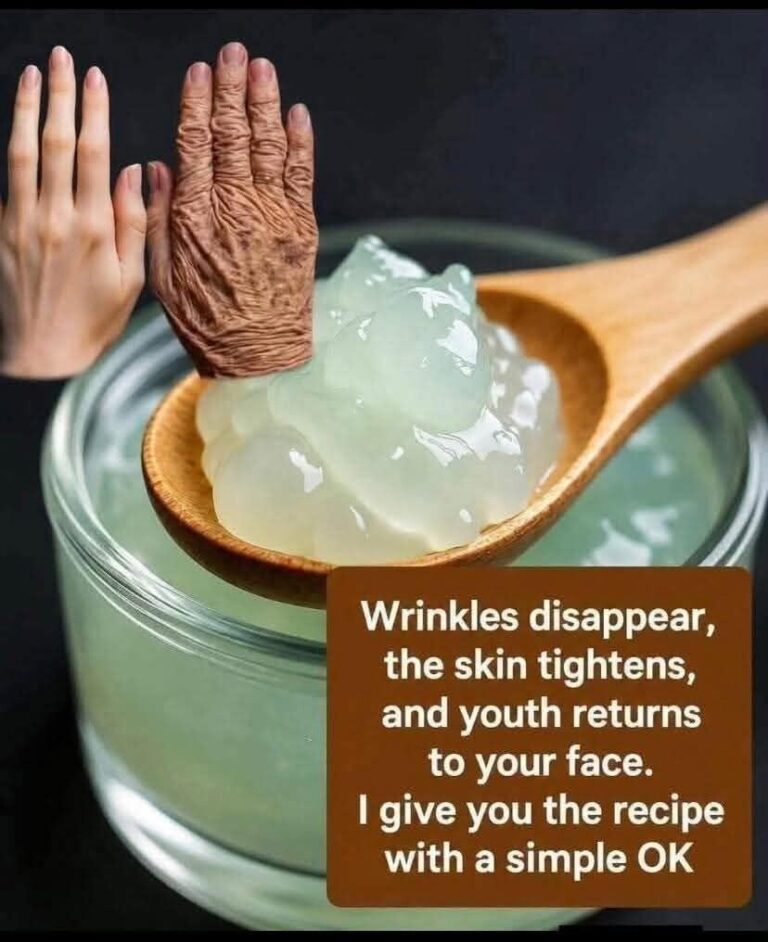
Viral social media posts frequently promote home remedies featuring aloe vera or plant gels, claiming they can instantly make wrinkles disappear, dramatically tighten loose skin, and reverse aging overnight. Aloe vera (Aloe barbadensis Miller) has been celebrated for centuries as a calming, deeply hydrating botanical ingredient, but distinguishing instantaneous social media claims from actual dermatological science is key for healthy skin.
While natural plant gels offer valuable hydration, soothe inflammation, and support healthy skin barrier function, no topical home recipe can erase deep structural wrinkles overnight.
In this comprehensive anti-aging guide, we will analyze the real skin benefits of aloe vera, evaluate anti-aging myths, review budget-friendly skincare options, and share evidence-based tips for youthful skin.
The Science of Aloe Vera and Skin Hydration
Understanding how aloe vera interacts with the skin explains why it remains a popular skincare staple.
1. Intense Moisture Retention
Aloe vera gel consists of over 98% water alongside complex polysaccharides, vitamins (A, C, and E), and amino acids. Applying it deeply hydrates the outer layer of the skin (epidermis), temporarily plumping fine lines caused by dryness.
2. Soothing and Anti-Inflammatory Properties
Active compounds like acemannan help soothe irritation, calm redness from sun exposure, and support natural wound healing, making aloe vera ideal for sensitive or sun-exposed skin.
Anti-Aging Myths vs. Dermatological Reality
Separating viral viral claims from proven science helps set realistic expectations for home remedies.
- The Myth: DIY plant gel recipes instantly smooth structural wrinkles and permanently tighten sagging skin.
- The Reality: Deep wrinkles form in the dermis layer due to the natural loss of collagen and elastin over time. While topical hydration plumps fine surface lines temporarily, natural gels cannot rebuild deep collagen structures or reverse skin sagging overnight.
Financial and Dermatological Considerations
Building an effective skincare routine does not require expensive miracles or unproven DIY trends.
- Cost-Effective Natural Care: Pure aloe vera gel costs between $5 and $10, offering a affordable, non-comedogenic moisturizer suitable for most skin types.
- Targeted Active Ingredients: Combining natural hydration with clinically proven OTC ingredients (like retinoids, peptide serums, and vitamin C) delivers visible long-term anti-aging results without high clinical costs.
Practical Tips for Healthy, Youthful Skin
- Use Daily Broad-Spectrum Sunscreen: UV radiation accounts for up to 80% of visible skin aging; applying SPF 30 or higher daily protects existing collagen and prevents new wrinkles.
- Combine Aloe Vera with Moisturizer: Lock in the water-based hydration of aloe vera gel by applying a barrier-repairing moisturizer or face oil over top.
- Incorporate Proven Anti-Aging Actives: Look for serums containing retinol, hyaluronic acid, or niacinamide to stimulate cellular turnover and collagen production.
Conclusion
Aloe vera is a fantastic natural moisturizer that calms irritation and temporarily plumps skin through hydration. While it cannot magically erase wrinkles or reverse time, combining natural plant care with daily sun protection and targeted active ingredients supports vibrant, healthy skin at any age.
Frequently Asked Questions (FAQ)
Can aloe vera increase collagen production in the skin?
Topical aloe vera stimulates fibroblasts to boost surface moisture and temporary skin elasticity, but significant collagen production requires targeted active ingredients like retinoids or vitamin C.
Is it safe to apply pure aloe vera gel directly to the face?
Yes, for most people. However, raw gel directly harvested from fresh aloe leaves contains aloin—a yellow latex sap near the outer rind that can cause skin irritation—so patch testing or using processed pure gels is recommended.
What is the most effective way to prevent deep wrinkles?
Consistent daily use of broad-spectrum sunscreen, maintaining skin hydration, avoiding smoking, and using topical retinoids are the most dermatologically proven ways to prevent and minimize deep wrinkles.
