
Introduction
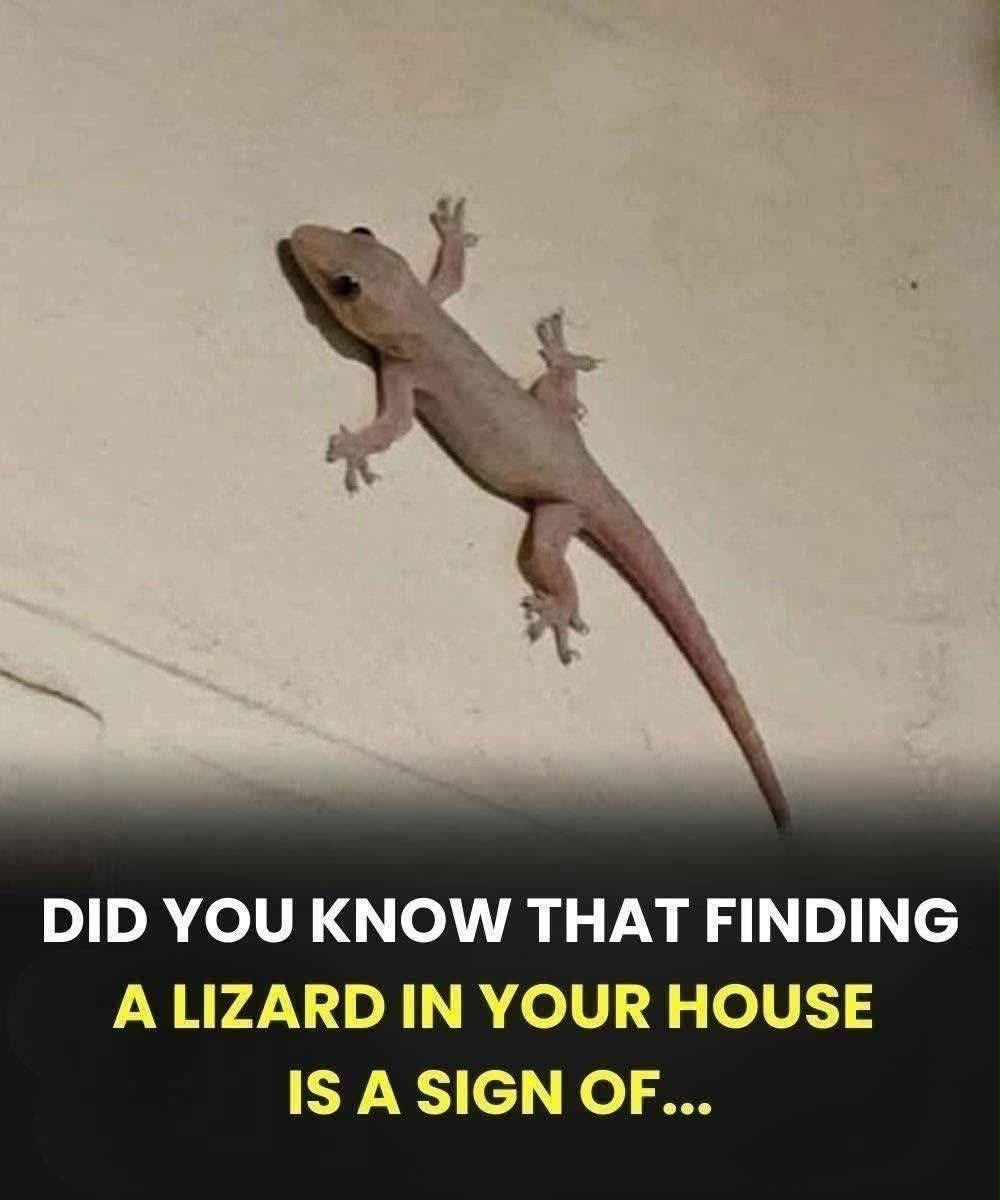
Intriguing viral graphics frequently circulate across social media platforms, capturing attention with mysterious questions. A popular image shared online features a gecko crawling on a wall with the caption: “Did you know that finding a lizard in your house is a sign of…”. Exploring the ecology, behavior, and symbolism of indoor lizards helps separate common myths from ecological facts.
The Ecological Reality of House Lizards
Why do geckos and small lizards frequently appear inside residential homes?
Herpetologists and pest control experts explain that common house geckos are drawn indoors seeking shelter, warmth, and most importantly, an abundant food supply of insects such as mosquitoes, flies, and spiders. Rather than acting as mystical omens, finding a gecko inside typically indicates normal local wildlife behavior and natural pest foraging.
Breaking Down Gecko Behavior and Home Ecology
Recognizing Household Reptile Activity
When encountering wildlife around living spaces, understanding why they enter homes helps homeowners manage them appropriately.
Key Gecko and Wildlife Facts
- Natural Pest Control: House geckos act as harmless, natural predators that feed on bothersome indoor insects.
- Habitat Preferences: These nocturnal reptiles seek out cracks, crevices, and warm indoor microclimates to hide during daylight hours.
- Human Coexistence: House geckos are generally timid, non-venomous, and pose no threat to humans.
Financial, Environmental, and Household Considerations
Managing household ecology and wildlife encounters requires a balance of practical maintenance and appreciation for nature.
Prioritizing Eco-Friendly Pest Management and Home Sealing
For homeowners and renters, managing property gaps and sealing entry points helps control indoor wildlife populations naturally. Maintaining a clean environment minimizes the insects that attract lizards in the first place.
Practical Tips for Managing Indoor Wildlife
- Seal Entry Points: Caulk cracks around windows, doors, and foundations to prevent unwanted wildlife from entering living areas.
- Reduce Insect Populations: Minimize indoor lighting at night and address moisture issues to keep flying insects away.
- Appreciate Natural Benefits: Recognize that house geckos serve as beneficial predators that help reduce household bug populations.
- Approach with Caution: If relocation is necessary, gently guide the gecko toward an open door or window using a container.
- Verify Online Claims: Approach viral social media lore with curiosity and look to scientific facts regarding local wildlife.
Interesting Facts About House Geckos
- Wall-Climbing Physics: Geckos adhere to smooth vertical surfaces using microscopic setae on their toes that exploit van der Waals intermolecular forces.
- Viral Appeal: Images featuring common household creatures paired with intriguing questions are highly effective formats for driving comments and shares on social media.
- Global Presence: House geckos thrive in tropical and subtropical regions worldwide, successfully adapting to human-altered environments.
Conclusion
While viral graphics often use suspenseful language to spark curiosity, understanding the genuine behavior of house geckos highlights their role as natural, harmless neighbors. Embracing science-based ecology helps us appreciate the wildlife sharing our living spaces.
FAQ Section
Is finding a lizard in your house a bad sign?
No, it is generally a natural occurrence indicating that geckos are seeking shelter or hunting insects inside your home.
Are house geckos harmful to humans?
No, common house geckos are non-venomous, timid, and entirely harmless to humans.
Why do geckos enter houses?
Geckos enter homes primarily to find warmth, safe hiding spots, and a steady supply of insect prey
