
Introduction
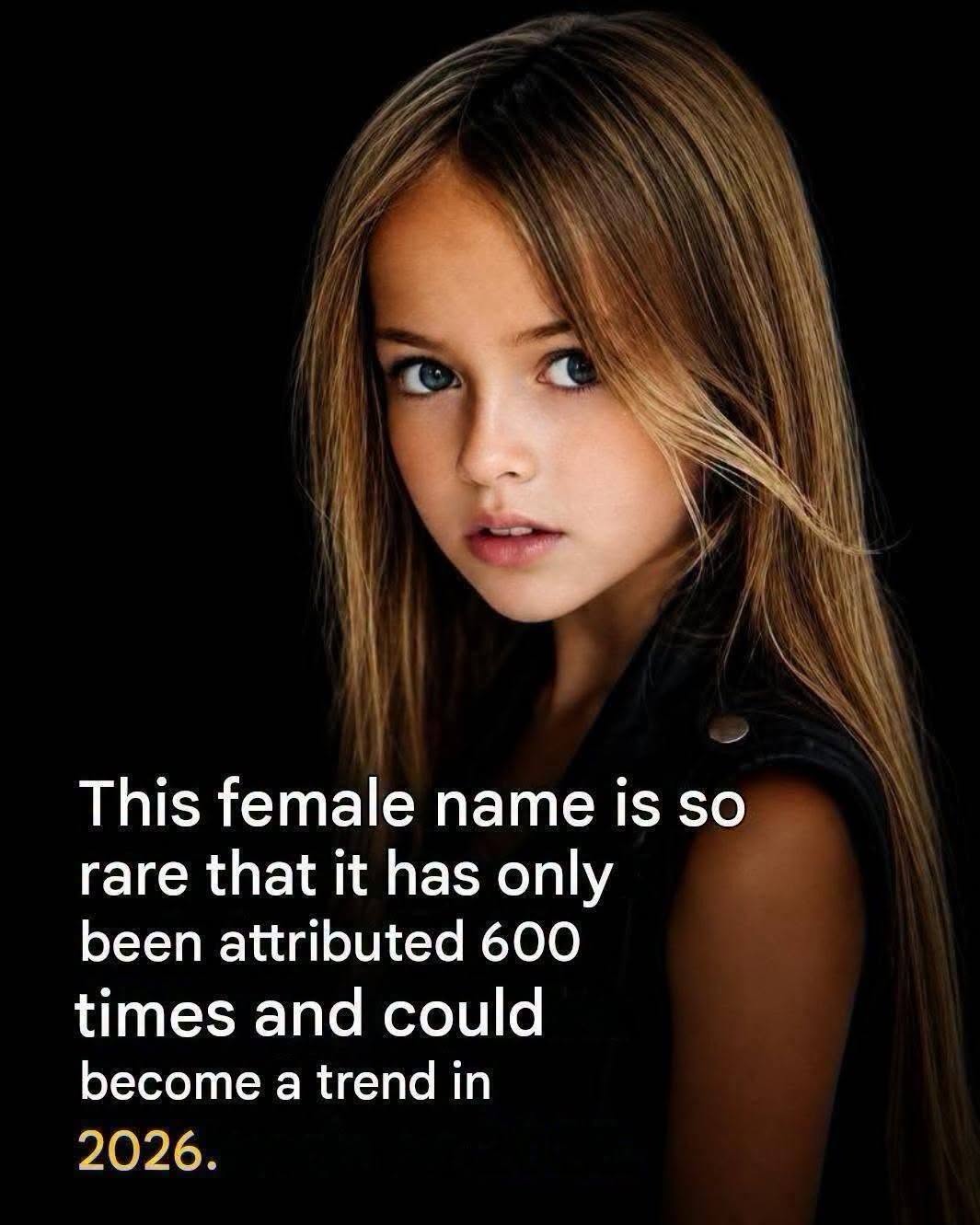
Choosing a name for a child is one of the most significant decisions parents make. Names carry identity, cultural heritage, and personal meaning. In recent years, a major shift has occurred in naming conventions. Rather than opting for traditional classics that dominate top charts, many parents now look for ultra-rare or vintage-revived names that stand out. This quest for individuality mirrors trends in other sectors where personalization is prized, such as curated travel, custom education plans, and specialized financial investments.
In this article, we examine the psychology behind rare baby names, the influence of modern trends, and how parents choose unique identifiers that balance distinction with timeless appeal.
The Psychology of Unique Naming
Why are so many families moving away from common names in favor of rare monikers? Psychologists and sociologists point to several driving forces behind this shift.
The Desire for Individuality
In a hyper-connected global society, identity expression has become paramount. Parents often view a unique name as a child’s first gift of individuality—a way to ensure they stand out in a crowd.
Sound, Aesthetics, and Cultural Resonance
Rarity alone does not dictate a successful name. Linguistic rhythm, vowel-to-consonant ratios, and easy pronunciation play massive roles. Just as an investor balances risk and reward in a portfolio or a business owner evaluates market trends, parents weigh how a rare name will age professionally and socially over decades.
Naming Trends to Watch
Naming trends often cycle through history, drawing inspiration from literature, nature, mythology, and forgotten historical records.
1. Nature and Botanical Inspirations
Names derived from rare flora, fauna, and geographical elements continue to captivate modern parents seeking organic elegance.
2. Vintage Revival
Linguists note a strong trend toward resurrecting names that peaked a century ago but fell out of favor, giving them a fresh, modern twist for a new generation.
3. Minimalist and Distinctive Monikers
Short, punchy names with fewer syllables are gaining traction because they pair well with various surnames and remain memorable.
Practical Tips for Choosing a Rare Name
Selecting an uncommon name requires careful thought to ensure it serves the child well throughout their life.
- Check the Pronunciation: Ensure the name can be easily pronounced without constant correction.
- Consider Professional Settings: Think about how the name sounds in academic, corporate, or legal environments.
- Test the Initials: Check the initials to prevent unintended acronyms.
- Look at Long-Term Trends: Research how a name’s popularity has shifted over recent years to avoid sudden spikes that you might not anticipate.
Interesting Facts About Naming Statistics
- Government registries in various countries track baby names annually, revealing that thousands of names are given to fewer than ten children per year.
- Pop culture, media, and digital platforms can cause obscure names to spike in popularity overnight.
- Historical records show that naming conventions often shift in response to major cultural and economic events.
Conclusion
The fascination with ultra-rare names highlights our ongoing desire for personal distinction and meaningful storytelling. Whether exploring unique monikers or managing other life milestones such as career growth, retirement planning, or higher education, intentional decision-making is key. By understanding naming psychology and trends, parents can find a rare name that is both distinctive and enduring.
Frequently Asked Questions
Why are rare baby names becoming more popular?
Many modern parents want to give their children unique identities that stand out in an increasingly interconnected and globalized world.
Do rare names affect professional success?
Studies suggest that while names can influence initial impressions, an individual’s character, skills, and achievements ultimately define their professional success.
How can I check how rare a specific name is?
National vital statistics agencies and government registry offices frequently publish searchable baby name databases that track historical naming frequencies.
