
Introduction
Fresh leafy greens, crisp salads, and raw vegetables are staples of a healthy, balanced diet. Providing essential vitamins, minerals, and dietary fiber, they support everything from metabolic health to long-term vitality. However, consuming raw produce also comes with potential food safety considerations that many consumers overlook. Understanding how produce is grown, harvested, and prepared is crucial for safeguarding your health.
Evaluating food safety risks shares similarities with managing other critical areas of daily life, such as reviewing medical health insurance policies, securing property loans, or consulting legal professionals for business protection. In this comprehensive guide, we examine the realities of foodborne parasites, how raw vegetables can become contaminated, and practical steps you can take to enjoy your favorite salads safely.
How Raw Vegetables Can Harbor Contaminants
Fresh produce grows outdoors in soil and open environments where it is naturally exposed to elements such as irrigation water, soil microorganisms, animal activity, and human handling during harvest.
Common Sources of Contamination
- Agricultural Water: Irrigation water contaminated with runoff can transfer pathogens, bacteria, or parasite eggs directly onto the surface of leafy crops.
- Soil and Handling: Root and leafy crops grown close to the ground can pick up residues during growth or processing.
- Cross-Contamination: Improper food handling in kitchens, unwashed cutting boards, or inadequate rinsing can spread microorganisms to ready-to-eat foods.
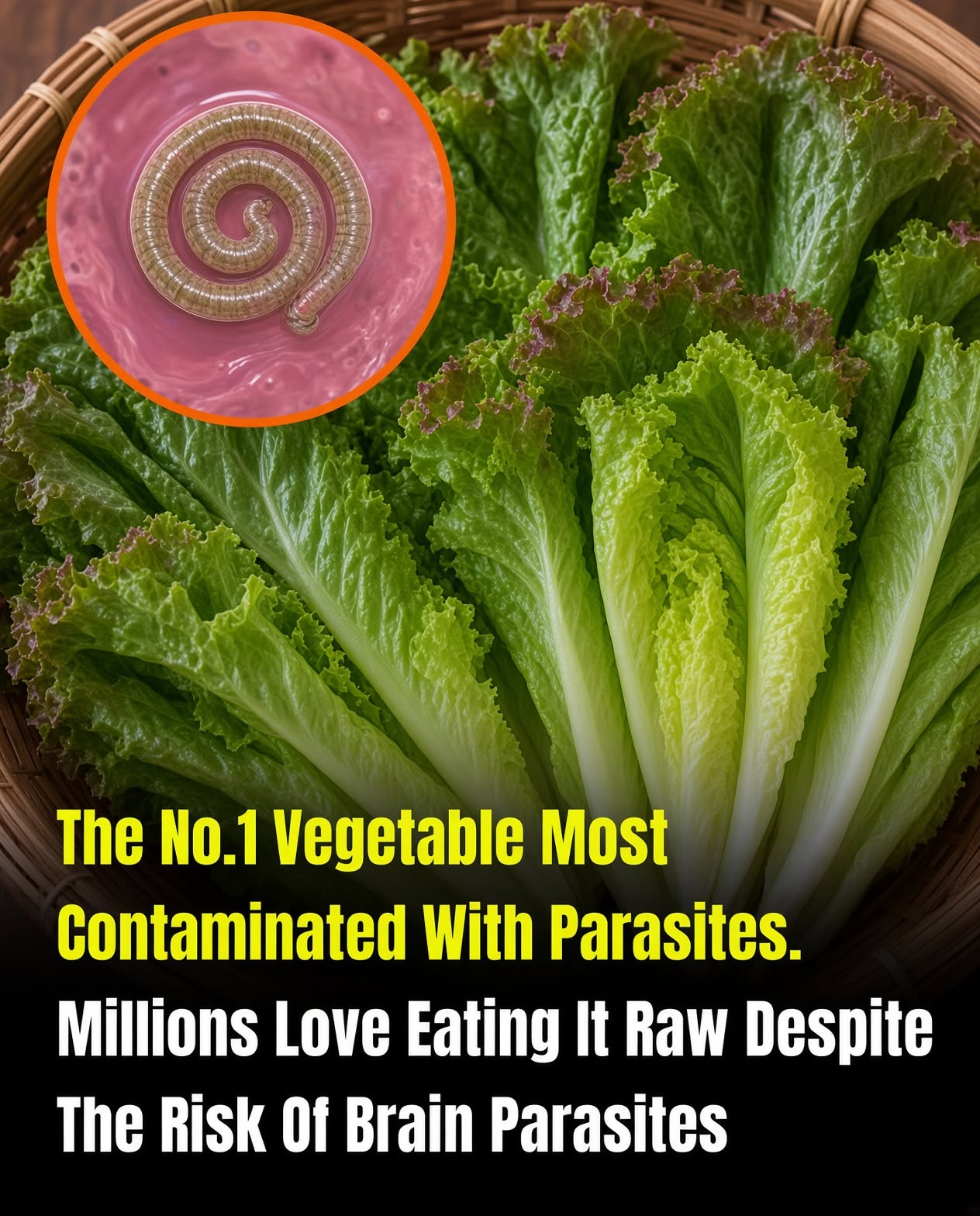
While sensationalized internet claims sometimes link raw vegetables to extreme medical conditions like “brain parasites,” actual food safety concerns more commonly involve gastrointestinal parasites, bacteria such as E. coli or Salmonella, and viruses. Understanding the distinction between alarmist myths and real-world medical science helps consumers make informed choices.
Common Foodborne Parasites and Pathogens
When produce is contaminated, certain resilient organisms can survive on unwashed or improperly cleaned surfaces.
1. Protozoan Parasites
Organisms like Giardia lamblia and Cryptosporidium can contaminate water supplies used for irrigation. Ingesting these microscopic parasites can cause gastrointestinal distress, abdominal cramps, and dehydration.
2. Helminths (Parasitic Worms)
Certain soil-transmitted helminth eggs can adhere to root vegetables or leafy greens grown in contaminated earth. Thorough washing and proper cooking significantly reduce these risks.
3. Bacterial Pathogens
Bacteria present a more frequent risk in fresh produce than rare parasites. Proper washing removes the vast majority of surface bacteria, minimizing foodborne illness.
Practical Tips for Safe Produce Preparation
You do not need to eliminate raw vegetables from your diet to stay safe. Implementing proper kitchen hygiene drastically reduces health risks.
- Thorough Rinsing: Wash all leafy greens and vegetables thoroughly under running tap water, even if packages claim to be “pre-washed.”
- Use a Produce Brush: For firm-skinned vegetables, use a clean brush to scrub away surface dirt.
- Remove Outer Leaves: Discard the outermost layers of leafy vegetables like lettuce or cabbage where dirt and debris accumulate.
- Proper Storage: Keep raw produce refrigerated at safe temperatures to prevent bacterial multiplication.
Interesting Facts About Food Safety and Agriculture
- Modern agricultural standards utilize strict Good Agricultural Practices (GAP) to minimize contamination risks from farm to table.
- Ozone washing and specialized sanitizing rinses are frequently used in commercial food processing facilities to eliminate surface pathogens.
- Proper handwashing by food handlers remains one of the single most effective defenses against foodborne illnesses worldwide.
Conclusion
Enjoying raw vegetables is an important part of maintaining a nutritious lifestyle, provided that proper food safety protocols are followed. By understanding how contamination occurs and practicing rigorous washing and kitchen hygiene, you can protect your digestive health without giving up your favorite salads. Staying informed empowers you to make healthy, safe choices for yourself and your family.
Frequently Asked Questions
Can washing raw vegetables remove all parasites and bacteria?
Thorough washing under running water removes a significant percentage of surface dirt, bacteria, and parasite cysts. However, because microorganisms can sometimes adhere tightly to leaf crevices, proper handling and safe sourcing are also essential.
Are pre-washed salad greens safe to eat straight from the package?
While pre-washed greens undergo commercial sanitation processes, many food safety experts still recommend a final rinse at home to minimize any residual risk.
What are the common symptoms of foodborne parasitic infections?
Symptoms can include stomach cramps, diarrhea, nausea, bloating, and fatigue. Anyone experiencing persistent digestive issues after consuming contaminated food should consult a qualified medical professional.
