
Introduction
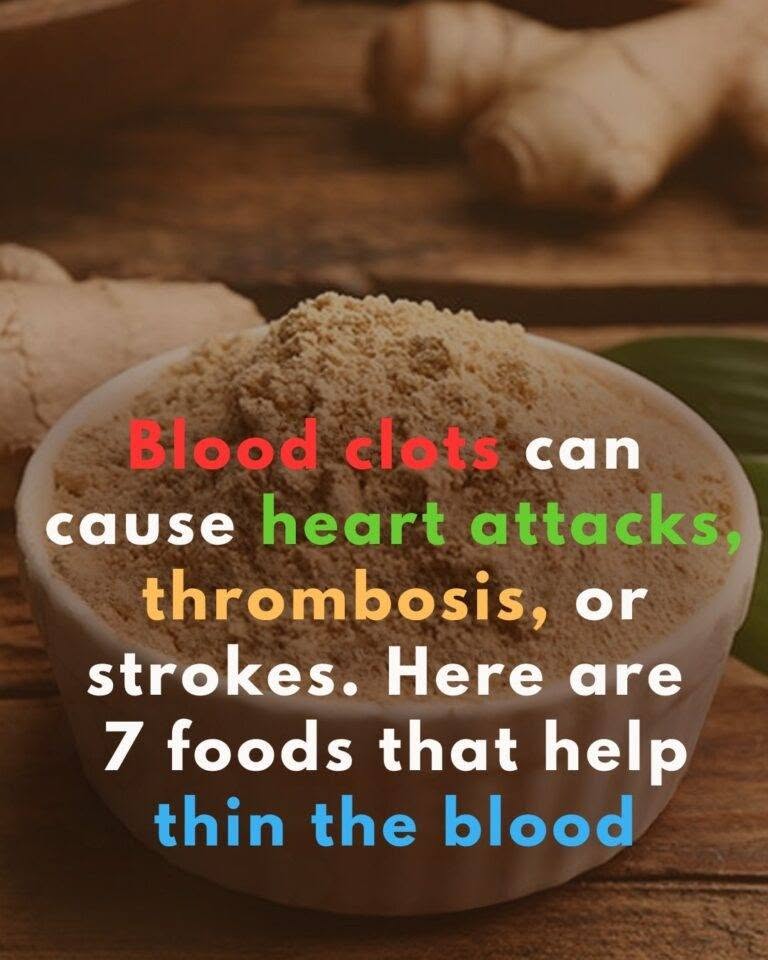
Cardiovascular health is a top priority for many people, leading to widespread interest in how diet influences circulation, blood pressure, and clotting. Across social media, numerous wellness posts highlight natural ingredients and foods that allegedly act as blood thinners to prevent strokes, thrombosis, and heart attacks.
Evaluating viral health claims closely mirrors making informed choices in other specialized fields—such as reviewing medical insurance policies, assessing wellness plans, or managing healthcare decisions—where distinguishing evidence-based facts from internet myths is essential. In this comprehensive guide, we explore the science behind dietary blood thinners, examine how certain foods interact with circulation, and share practical tips for maintaining a healthy cardiovascular system.
Understanding Blood Clots and Circulation
Blood clotting is a vital bodily process that prevents excessive bleeding when injuries occur. However, abnormal or unwanted clots can pose serious health risks.
1. The Role of Medical Supervision
- Prescription Anticoagulants: Individuals with specific heart conditions or clotting disorders are often prescribed medical-grade blood thinners by a physician.
- Dietary Interactions: Consuming high amounts of certain foods or supplements that affect clotting can interfere with prescribed medications, making professional medical guidance crucial.
2. Myth vs. Reality in Natural Remedies
While certain foods contain compounds that mildly influence circulation or platelet activity, they are not a substitute for medical treatment or professional cardiology care.
Common Foods Associated with Circulation
Several everyday foods are frequently discussed in wellness circles for their potential cardiovascular benefits:
- Garlic and Ginger: Often highlighted for their natural anti-inflammatory and mild anti-platelet properties.
- Turmeric: Contains curcumin, which is studied for its potential effects on blood circulation.
- Leafy Greens and Berries: Packed with antioxidants and nutrients that support overall heart health and vascular function.
Practical Tips for Maintaining Cardiovascular Health
- Consult Your Doctor: Always speak with a healthcare professional before making major dietary changes or taking supplements if you are on blood-thinning medications.
- Eat a Balanced Diet: Focus on whole foods, fiber, healthy fats, and regular physical activity to support long-term heart health.
- Stay Hydrated: Drinking adequate water throughout the day helps maintain healthy blood volume and proper circulation.
Interesting Facts About Cardiovascular Health
- The human circulatory system consists of over 60,000 miles of blood vessels transporting blood throughout the body.
- Regular aerobic exercise is one of the most effective natural ways to improve circulation and reduce cardiovascular risk factors.
- Dietary approaches like the Mediterranean diet are extensively supported by clinical research for promoting long-term heart health.
Conclusion
While viral internet posts about natural blood thinners offer intriguing insights into everyday foods, maintaining true cardiovascular health requires a balanced lifestyle and professional medical guidance. By understanding how diet interacts with your body and consulting healthcare providers, you can protect your heart safely and effectively.
Frequently Asked Questions
Can natural foods replace prescription blood thinners?
No. Foods and dietary supplements cannot replace prescribed anticoagulant medications for individuals diagnosed with serious clotting disorders or heart conditions.
Do garlic and ginger act as powerful blood thinners?
While they possess mild natural properties that can influence platelet function, their effects are minimal compared to pharmaceutical treatments.
Why is it important to consult a doctor before changing your diet for heart health?
Certain foods can interact negatively with prescription medications or existing health conditions, making professional medical advice essential for safety.
