
Introduction
Homeownership and property management come with a continuous learning curve, especially when it comes to maintenance, repairs, and appliance upgrades. While taking a do-it-yourself (DIY) approach to minor home improvements can be rewarding and cost-effective, tackling complex utility installations without professional expertise can lead to disastrous consequences. Whether installing a heavy water heater, updating plumbing lines, or configuring laundry room appliances, cutting corners on structural integrity and safety standards introduces immense physical and financial hazards.
Beyond the immediate risk of property damage, improper installations can trigger severe legal liabilities, void insurance policies, and create costly financial burdens. Homeowners must balance their desire for cost savings with proper risk management, professional compliance, and comprehensive insurance coverage. This comprehensive guide explores the complexities of home utility installations, property insurance safeguards, legal liability frameworks, and smart financial planning.
The Physics and Risks of Improper Appliance Installation
Heavy household appliances and utility units—such as electric water heaters, boilers, and washing machines—require precise mechanical anchoring, load-bearing support, and specialized connections. When these heavy fixtures are improperly mounted, balanced, or stacked without adherence to safety codes, the risk of structural collapse skyrockets.
Water Heaters and Structural Weight Hazards
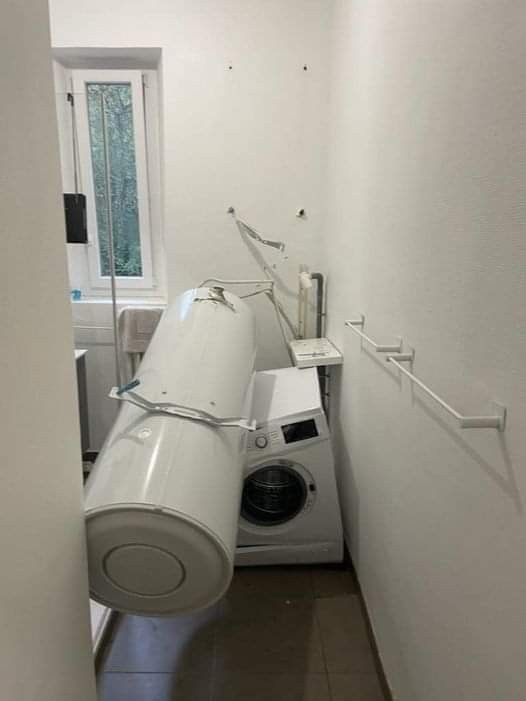
A standard residential water heater holds dozens of gallons of water, weighing hundreds of pounds when fully operational. Suspending or balancing such a heavy unit precariously over delicate appliances like washing machines compromises the structural stability of the room. A sudden failure can crush underlying equipment, rupture water supply lines, and flood the entire living space, causing catastrophic structural damage.
The Importance of Professional Engineering
Certified technicians undergo rigorous training to understand load distribution, electrical safety codes, and plumbing requirements. Attempting to improvise heavy installations without proper wall anchors or structural brackets turns a domestic utility space into a high-risk hazard zone. Prioritizing certified professional installation prevents preventable disasters and preserves your long-term home investment.
Financial Resilience: Insurance, Loans, and Asset Protection
When a major DIY installation goes wrong, the repair costs can quickly overwhelm personal savings. Protecting your household requires a proactive approach to financial risk management.
Navigating Property and Casualty Insurance Claims
Insurance policies are designed to protect homeowners against unforeseen accidents, but insurance providers closely examine the root cause of property damage. If a disaster stems from gross negligence, unpermitted DIY modifications, or structural code violations, insurance companies may deny coverage for the resulting repairs. Reviewing your policy details with an insurance agent ensures you understand what is covered and highlights the necessity of professional installation certifications.
Securing Financing for Emergency Home Repairs
When unexpected utility failures cause extensive water or structural damage, homeowners often need immediate access to capital. Managing your credit profile and exploring home equity loans, personal credit lines, or emergency savings ensures you can finance necessary repairs quickly without derailing your financial security.
Legal Liabilities and Regulatory Compliance
Property modifications and utility installations are strictly governed by local building codes, municipal ordinances, and safety laws.
Premises Liability and Landlord-Tenant Laws
Property owners hold a legal duty of care to ensure that all fixtures and appliances within a building are safely installed and maintained. If a poorly secured water heater or appliance collapses and injures a family member, guest, or tenant, the property owner can face severe civil liability claims. Landlords must be especially vigilant, ensuring all maintenance work complies with local housing codes to avoid legal penalties.
Consulting Legal Professionals
In the aftermath of a major property accident or insurance dispute, consulting with specialized attorneys or legal services helps protect your rights. Legal experts assist in interpreting liability clauses, negotiating with insurance adjusters, and resolving contractor disputes efficiently.
Practical Tips for Safe Home Maintenance and Installation
- Always hire licensed, bonded professionals for complex electrical, plumbing, and heavy appliance installations.
- Review local building codes and secure required permits before undertaking significant interior modifications or utility upgrades.
- Inspect mounting brackets, wall anchors, and support structures regularly to detect signs of wear or instability early.
- Verify your homeowner or renter insurance policy terms regarding DIY repairs and accidental property damage coverage.
- Maintain an emergency fund specifically designated for sudden home repairs and maintenance contingencies.
- Never stack heavy utility units over fragile or active appliances without certified engineering support.
- Keep emergency shut-off valves for water, gas, and electricity clearly labeled and easily accessible to all household members.
Interesting Facts About Household Utilities and Infrastructure
- Water Weight Dynamics: Water weighs approximately 8.34 pounds per gallon, meaning a standard 50-gallon water heater exerts over 400 pounds of dead weight force on its support structure alone.
- Insurance Claim Trends: Water damage from burst pipes, leaking tanks, and appliance failures ranks among the most frequent types of residential property insurance claims globally.
- Building Code Evolution: Modern residential building codes are continuously updated based on historical failure data to prevent structural collapses and utility hazards.
- Professional Standards: Licensed plumbers and electricians undergo thousands of hours of apprenticeship training to master safety protocols that prevent domestic disasters.
Conclusion
The allure of quick fixes and unconventional setups cannot replace the fundamental need for safety, structural integrity, and professional expertise. Whether managing a home renovation, securing a loan, or reviewing insurance policies, proactive planning protects both your family and your financial future. By respecting structural limits and prioritizing professional installation standards, you ensure a safe, secure, and resilient home environment.
Frequently Asked Questions (FAQ)
Will homeowner insurance cover damage caused by a failed DIY installation?
It depends on the policy and the specific cause of the failure. If the damage is attributed to gross negligence or unpermitted structural work, insurance providers may deny the claim.
Why is it dangerous to mount heavy water heaters improperly?
Heavy units exert extreme downward and shear force. Without robust load-bearing wall anchors and professional support, they can detach, causing devastating structural collapse, flooding, and injury.
What steps should I take before installing new utility appliances?
Always check manufacturer guidelines, consult local building codes, verify that your home’s structural framing can support the weight, and consider hiring a certified professional.
How can I finance unexpected emergency home repairs?
Homeowners can utilize emergency savings funds, home equity lines of credit (HELOC), personal loans, or specialized contractor financing options to cover urgent repair costs.
What legal responsibilities do property owners have regarding safety?
Property owners must maintain safe premises, comply with local housing and building codes, and ensure that all installed fixtures do not pose a hazard to residents or visitors.
