
Introduction
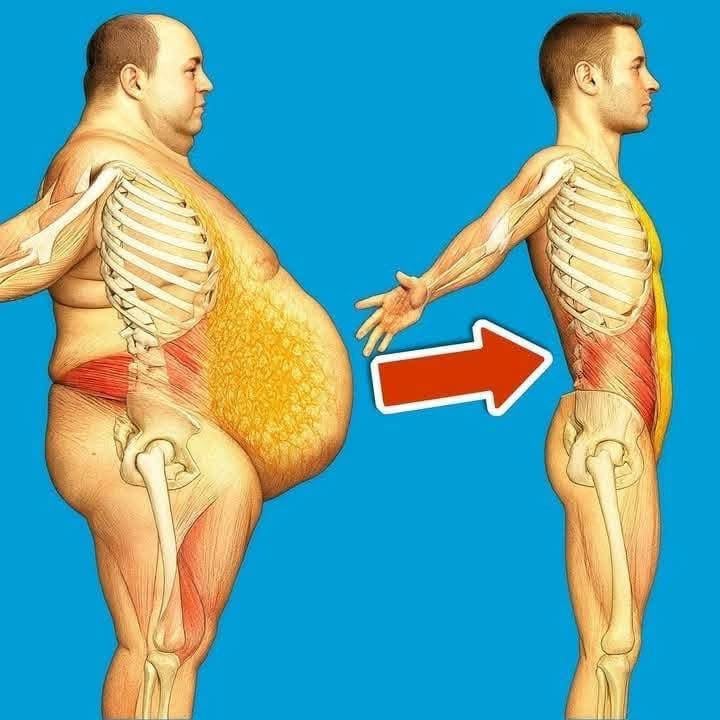
In the vibrant landscape of social media and online discovery, health and fitness infographics frequently capture public attention. When users scroll through their Facebook feeds and encounter an anatomical illustration contrasting a heavier physique with a lean, muscular body, comment sections instantly ignite with curiosity, motivation, and questions. What drives major body transformations, and why is deep abdominal fat considered so dangerous?
Why do health and fitness graphics hold such powerful appeal? Beyond serving as visual motivation, fitness content taps into our universal desire for health, longevity, and self-improvement. They challenge our understanding of human biology and reward us with insights into how lifestyle choices impact our internal organs.
However, understanding body composition and metabolic health extends far beyond social media inspiration. In professional sectors such as healthcare, medical research, fitness training, wellness coaching, and financial health planning, understanding human wellness and preventative medicine is critical. Whether a physician is evaluating cardiovascular risks, a wellness coach is designing a sustainable lifestyle plan, or an investor is analyzing the booming health and fitness market, biological knowledge is essential. In this comprehensive guide, we will explore the science of visceral versus subcutaneous fat, analyze how lifestyle factors influence metabolic health, and discuss how sustainable habits benefit both our personal lives and modern industries.
The Science of Body Fat: Visceral vs. Subcutaneous Fat
When examining human anatomy, not all body fat behaves the same way. Understanding the difference between the layers beneath our skin and around our internal organs is crucial for long-term health.
The Hidden Danger of Visceral Fat
- Subcutaneous Fat: This is the layer of fat stored directly beneath the skin. While excess subcutaneous fat affects physical appearance, it poses lower immediate health risks compared to internal fat deposits.
- Visceral Fat: As illustrated in health diagrams, visceral fat wraps around vital abdominal organs deep inside the body cavity, including the liver, pancreas, and intestines. High levels of visceral fat are metabolically active, releasing hormones and inflammatory markers that increase the risk of type 2 diabetes, heart disease, and high blood pressure.
- The Transformation Journey: Reducing visceral fat requires a combination of consistent cardiovascular exercise, strength training, balanced nutrition, and stress management, leading to improved posture, energy levels, and long-term vitality.
Why Fitness Transformations Go Viral
Posts featuring clear visual comparisons of internal anatomy and weight loss thrive on social media because they offer a striking perspective on health. They inspire users to share their fitness journeys, debate workout strategies, and encourage friends.
Professional Applications in Healthcare, Fitness, and Wellness
While anatomical graphics inspire individual fitness goals, the underlying science of metabolic health is foundational across professional industries.
Healthcare and Preventative Medicine
Physicians and medical researchers study fat distribution to assess cardiovascular and metabolic risks. Early intervention through lifestyle modification reduces chronic disease rates and lowers healthcare costs globally.
Fitness Training and Wellness Coaching
Certified personal trainers and wellness professionals design targeted programs that combine resistance training and aerobic conditioning to burn visceral fat efficiently while preserving lean muscle mass.
Finance, Insurance, and Wellness Economics
Insurance companies and healthcare investors monitor wellness trends and preventative health data to evaluate risk models and invest in innovative fitness technologies, telehealth platforms, and nutritional sciences.
Practical Tips to Improve Metabolic Health and Reduce Visceral Fat
If you want to optimize your body composition and enhance your overall well-being, incorporating a few simple, sustainable strategies can make a dramatic difference:
- Prioritize Regular Exercise: Combine moderate-intensity aerobic exercise (like brisk walking, cycling, or swimming) with strength training to boost metabolism and burn internal fat.
- Eat a Balanced, Nutrient-Dense Diet: Focus on whole foods, lean proteins, fiber-rich vegetables, and healthy fats while minimizing processed sugars and refined carbohydrates.
- Manage Stress Levels: Chronic stress releases cortisol, a hormone linked to increased visceral fat storage. Practice mindfulness, meditation, or deep-breathing exercises.
- Ensure Quality Sleep: Aim for 7 to 9 hours of restorative sleep each night to support hormonal balance and metabolic function.
Interesting Facts About Human Metabolism and Fat Tissue
- Metabolically Active Tissue: Unlike dormant fat stores, visceral fat acts almost like an endocrine organ, secreting chemical signals that affect inflammation and metabolic health throughout the body.
- Social Media Reach: Health and fitness transformations consistently achieve massive organic engagement because they resonate with universal personal goals and provide visual proof of progress.
- Evolutionary Storage: Throughout human history, storing excess energy as fat was a vital survival mechanism during times of food scarcity, though modern dietary abundance has changed its health implications.
Conclusion
Anatomical comparisons and fitness transformation guides are much more than passing internet trends; they are powerful reminders of the importance of internal health and metabolic well-being. By understanding the distinction between visceral and subcutaneous fat, we can make informed choices to protect our long-term health. Whether you are improving your personal fitness routine, working in healthcare, or exploring wellness innovations, prioritizing a balanced, active lifestyle is an invaluable investment. Keep moving, stay informed, and embrace your journey toward better health!
FAQ Section
What is the main difference between visceral and subcutaneous fat?
Subcutaneous fat is stored directly beneath the skin, whereas visceral fat is stored deeper within the abdominal cavity, wrapping around vital internal organs.
Why is visceral fat considered dangerous?
Visceral fat is metabolically active and produces inflammatory substances that significantly increase the risk of heart disease, type 2 diabetes, and metabolic syndrome.
How can I effectively reduce visceral fat?
Reducing visceral fat requires a combination of regular cardiovascular exercise, strength training, a balanced and nutritious diet, stress management, and adequate sleep.
