
Introduction
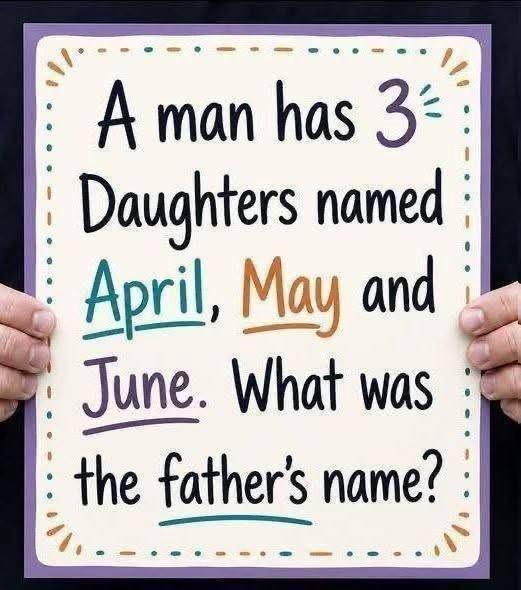
Riddle topics and brain teaser challenges possess an incredible ability to capture the attention of audiences across social media platforms. When an informative graphic appears highlighting a clever word puzzle—such as figuring out a father’s name from his daughters’ names—it instantly sparks widespread curiosity, conversation, and engagement. Users eagerly solve the riddle, share their answers in the comment sections, and discuss clever wordplay.
Exploring why these riddle infographics go viral provides a fascinating look into digital culture and interactive learning. By examining how word challenges are perceived and shared online, we can better understand how education, entertainment trends, and lifestyle choices shape modern social media behavior.
The Background and Social Dynamics of Riddles
Word puzzles and brain teasers have become frequent subjects of public discussion. Proponents of cognitive wellness and mental agility highlight various factors associated with puzzle-solving, including lateral thinking, verbal reasoning, and general mental stimulation.
Additionally, educational and psychological discussions frequently emphasize the importance of cultivating problem-solving skills, maintaining active curiosity, and fostering friendly competition during online challenges. Recognizing how these interactive materials interact with public curiosity helps explain why riddle infographics generate such widespread interest online.
Practical Tips for Enhancing Mental Agility
Enhancing your daily cognitive sharpness with fun word challenges can be engaging. Here are several practical strategies to safely include brain exercises in your life:
- Practice Lateral Thinking: Take a moment to look beyond the obvious clues and consider alternative meanings in riddles without rushing.
- Prioritize Mental Exercises: Make conscious efforts to solve word puzzles and brain teasers regularly to keep your mind sharp.
- Seek Interactive Fun: Share riddle challenges with friends and family to turn problem-solving into a collaborative group activity.
- Foster Patience: Approach tricky questions with a calm, creative mindset to avoid common overthinking pitfalls.
- Share Supportive Resources: Promote fun, brain-boosting content and evidence-based learning tips when discussing educational topics online.
Interesting Facts About Riddles and Digital Engagement
The history of educational awareness campaigns is filled with astonishing insights. Consider these fascinating facts:
- Digital Engagement Reach: Riddle-related infographics naturally trigger high social media engagement because people love testing their problem-solving skills against friends.
- The Power of Visuals: Striking text designs capture attention instantly in crowded social media feeds, driving users to read accompanying details.
- Universal Appeal: Word puzzle topics cross cultural and language barriers effortlessly, serving as vital community discussion points.
- Digital Shareability: Content that challenges common assumptions consistently achieves high comment and share rates as users debate the clever punchline.
The Broader Impact: Linguistics, Education, and Social Wellness
While riddle infographics serve primarily as interactive entertainment for social media users, the principles behind wordplay are vital in modern education and lateral reasoning. Understanding how public interest stories spread helps creators reach broader audiences with engaging content.
Conclusion
Viral riddle graphics remind us of how deeply people enjoy playful challenges and mental stimulation. Whether you are testing your own wits or learning about classic word puzzles for the first time, these engaging posts offer a starting point for fun community interaction. By prioritizing interactive play and maintaining a curious approach to puzzles, we can support our cognitive engagement every day.
Frequently Asked Questions (FAQ)
1. Why do riddle infographics go viral so easily on social media?
Interactive posts create an immediate challenge and curiosity gap, prompting users to share answers, tag friends, and discuss clues in the comment sections.
2. What factors are often discussed in relation to word puzzles?
Educational and entertaining posts frequently highlight factors such as lateral thinking, verbal reasoning, and cognitive stimulation.
3. Can online infographics replace formal classroom education?
No, online graphics are for general entertainment and reflection only; any formal studies in language arts should be pursued through structured educational resources.
4. How can I get the full details mentioned in the post?
Simply comment with your riddle solution below to receive our exclusive puzzle breakdown and start exploring these fascinating brain teasers!
