
Introduction: The Viral Curiosity of Everyday Habits
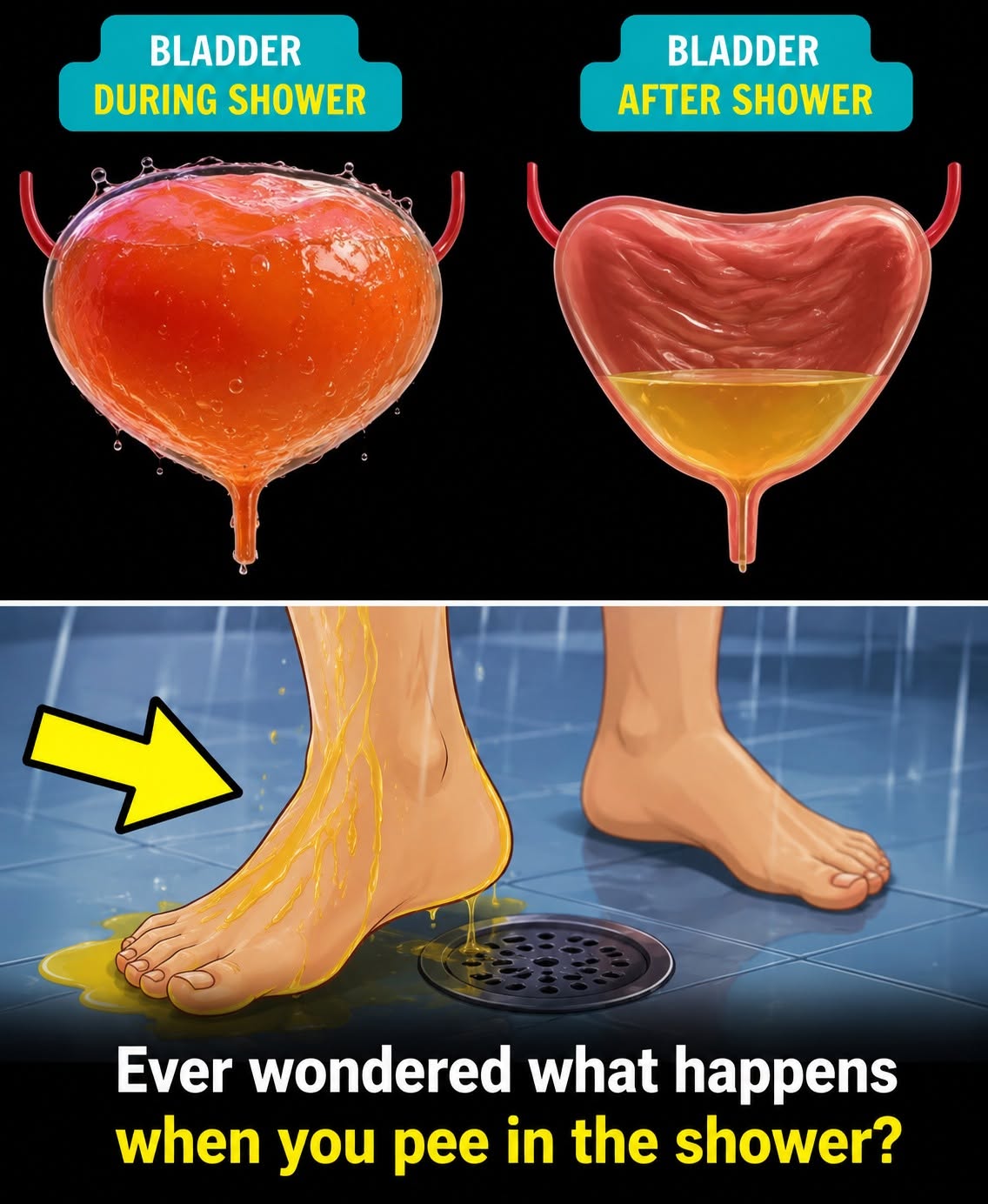
Social media is full of quirky, relatable questions that instantly capture our attention and spark lighthearted debates—such as asking “Ever wondered what happens you pee in the shower?”. These humorous graphics tap into common, unspoken daily habits and turn them into viral conversation starters. While some view the practice as an eco-friendly timesaver, others consider it taboo. This comprehensive guide explores the reality behind shower habits, bathroom hygiene, and how mindful routines support overall health, personal finance, and daily business productivity.
1. The Science and Hygiene of Shower Urination
From a purely biological perspective, urine is generally sterile under normal conditions and consists mostly of water, urea, and electrolytes. While the idea of urinating in the shower can elicit strong opinions, everyday plumbing handles water drainage efficiently, especially when rinsed down immediately with clean water and soap. However, behavioral conditioning is a powerful force; some urologists note that associating the sound of running water with urination can occasionally lead to pelvic floor conditioning issues or accidental leaks when hearing running water elsewhere.
2. Why Quirky Household Habits Go Viral Online
Infographics addressing relatable, everyday habits are exceptionally effective at driving social media engagement. Because almost everyone has experienced or pondered these minor household habits, they generate instant comments, friendly debates, and widespread shares. For digital content creators and web publishers, leveraging these lighthearted topics is a proven strategy for boosting audience interaction, increasing website traffic, and maximizing AdSense revenue.
3. Evidence-Based Approaches to Bathroom Hygiene and Wellness
Maintaining a clean and sanitary home environment relies on consistent, proven cleaning practices rather than quirky shortcuts. Effective bathroom maintenance involves:
- Regular Cleaning: Using disinfectants to clean shower stalls, drains, and bathroom surfaces regularly.
- Proper Drainage: Ensuring plumbing is well-maintained to handle water and waste efficiently without blockages.
- Personal Cleanliness: Practicing good daily hygiene habits to support overall health and well-being.
- Mindful Routines: Balancing personal comfort with shared household standards and cleanliness.
4. Practical Strategies for Smart Home Management and Budgeting
Managing your household efficiently protects both your living environment and your personal finance. Investing in proper cleaning supplies and maintaining your plumbing prevents costly repairs down the line. By streamlining your daily routines and focusing on practical home management, you preserve high energy levels and clarity for your professional business and personal goals.
Practical Tips for Bathroom Maintenance and Hygiene
- Clean Drains Regularly: Flush shower drains with hot water and baking soda or vinegar periodically to prevent buildup and odors.
- Rinse Thoroughly: Always let clean shower water run for a few moments to wash away soap and residues completely.
- Maintain Bathroom Ventilation: Use exhaust fans or open windows after showering to reduce moisture and prevent mold growth.
- Disinfect Surfaces: Clean shower walls, tiles, and basins weekly with appropriate bathroom cleaners.
- Be Considerate: Respect shared living spaces by adhering to household norms regarding bathroom usage.
- Stay Hydrated: Drink plenty of water to maintain healthy kidney function and clear hydration habits.
- Keep Plumbing Maintained: Schedule periodic checks of your home’s plumbing system to catch minor drainage issues early.
- Enjoy Lighthearted Content: Keep perspective on viral social media debates—enjoy the humor while maintaining healthy, clean home habits.
Interesting Facts About Plumbing and Bathroom Habits
- Water Conservation: Proponents of shower urination argue that skipping a toilet flush saves gallons of water over time.
- Viral Engagement: Humorous and relatable lifestyle graphics consistently achieve high share and comment rates across social media.
- Pavlovian Conditioning: Behavioral conditioning links sensory cues, like the sound of running water, to bodily responses in humans.
- Economic Impact: The household plumbing and cleaning product industry generates billions of dollars annually to keep homes sanitary.
- Urine Composition: Normal human urine is roughly 95% water and 5% waste products filtered out by the kidneys.
- Ancient Plumbing: Early sanitation systems date back thousands of years, highlighting humanity’s long-standing focus on waste management.
- Drain Chemistry: Modern soap and hot water running down shower drains help break down residues effectively.
- Digital Publishing: Quirky lifestyle questions remain a staple content strategy for digital publishers seeking high user engagement.
Conclusion: Balancing Humor and Cleanliness
Whether you view peeing in the shower as an eco-friendly timesaver or a bathroom taboo, the topic highlights how everyday habits connect us through humor and shared conversation. Balancing lighthearted online trends with solid hygiene practices keeps your home fresh and your routines balanced.
Frequently Asked Questions (FAQ)
Is it unsanitary to pee in the shower?
Urine is generally sterile in healthy individuals, and when washed down immediately with plenty of water and soap, it poses little hygiene risk, though personal preferences vary widely.
Can peeing in the shower cause bladder issues?
Some pelvic floor specialists suggest that habitually urinating while hearing running water can condition the bladder to associate sound with releasing urine, though it is not a major issue for most people.
Why do shower habit posts go viral so easily?
They tap into relatable, everyday human experiences and unspoken habits, making them fun to debate and share with friends.
How can I keep my shower drain fresh and clean?
Rinse the shower thoroughly after every use and clean the drain regularly with hot water, baking soda, and vinegar to prevent buildup.
