
Introduction
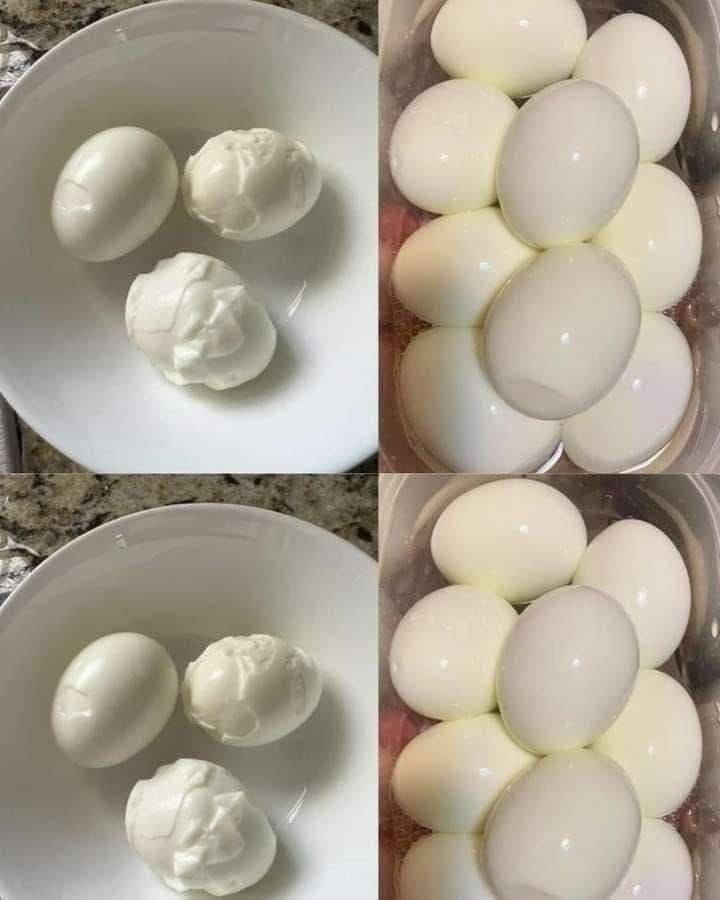
Cooking the ultimate hard-boiled egg can sometimes feel like an art form rather than a simple kitchen task. Whether you are prepping a batch of protein-packed snacks for the week, assembling a vibrant family salad, or getting ready for holiday gatherings, nothing is quite as frustrating as watching your pristine egg whites tear apart into a ragged mess during the peeling process. Millions of home cooks face this sticky dilemma daily, leading to ruined presentations and wasted food. Fortunately, mastering the science of easy-peeling eggs does not require professional culinary training or expensive gadgets. By understanding the underlying chemistry of fresh versus older eggs and implementing a few smart kitchen strategies, you can achieve flawlessly smooth results every single time.
Beyond just the kitchen routine, mastering everyday efficiency and household hacks mirrors how we manage other essential aspects of modern life. Just as you would consult a trusted legal services professional or attorney when navigating complex legal paperwork, or carefully evaluate your financial portfolio with an investment expert, applying precise, proven methods in the kitchen guarantees optimal outcomes. Good planning, attention to detail, and utilizing the right techniques save you time, reduce stress, and elevate your daily routine. In this comprehensive guide, we will explore the precise science behind boiling and peeling eggs, look at advanced cooling methods, examine nutritional values, and provide actionable tips that will transform your cooking routine permanently.
The Science Behind Egg Shells and Membranes
To truly understand why some eggs peel effortlessly while others cling stubbornly to their shells, we must examine the internal structure of an egg. An eggshell is remarkably porous, containing thousands of tiny microscopic openings that allow air and moisture to pass through over time. Just inside the hard calcium carbonate shell lies a double-layer membrane known as the shell membranes. These membranes encase the egg white (albumen) and protect the inner contents from bacterial contamination.
When an egg is exceptionally fresh—straight from the farm or local market—it has a very low internal pH level, and the albumen binds tightly to the inner shell membrane. As the egg ages, it loses carbon dioxide through those microscopic pores, causing the internal pH to rise and the white to shrink slightly inside the shell, creating a small air pocket at the broad end. This natural aging process naturally weakens the bond between the albumen and the membrane. However, when you cook fresh eggs directly, heat causes the egg white proteins to denature and coagulate firmly against that inner membrane, creating a stubborn bond that tears the delicate surface when you attempt to peel it.
Temperature Shock: The Secret to Seamless Peeling
One of the most reliable methods to bypass the sticky fresh-egg dilemma is the application of rapid temperature shock. When hot eggs are plunged immediately into an ice-water bath, the sudden thermal contraction causes the inner contents of the egg to shrink slightly away from the shell. This quick shift breaks the microscopic bonds holding the cooked albumen to the inner membrane.
To execute this technique flawlessly, prepare a large bowl filled with cold water and plenty of ice cubes before your eggs finish cooking. The moment your timer goes off, use a slotted spoon to transfer the hot eggs directly from the boiling water into the ice bath. Let them sit undisturbed for at least 15 minutes. This extended cooling time not only ensures that the center cools down safely for food storage, but it also solidifies the fats and proteins in the albumen, making the egg firm and much easier to handle under running water or on a flat countertop.
Step-by-Step Guide to Boiling and Peeling Like a Pro
Achieving consistency requires a disciplined, step-by-step approach. Follow this detailed workflow to ensure perfect results with every batch:
- Select Your Eggs: While older eggs peel easier, you can successfully cook fresh eggs by using the ice bath method.
- Bring Water to a Boil: Start with a pot of water already at a rolling boil before gently lowering the eggs in with a spoon to prevent cracking.
- Set a Precise Timer: Cook large eggs for exactly 11 to 12 minutes for a firm, bright yellow yolk without that unpleasant grey-green sulfur ring.
- Prepare the Ice Bath: While the eggs simmer, fill a bowl with equal parts cold water and ice cubes.
- Shock the Eggs: Transfer the boiled eggs instantly into the ice bath and let them chill for 15 minutes.
- Tap and Roll: Gently tap the cooled egg on a hard surface to crack the shell all over, then gently roll it between your palm and the counter.
- Peel Under Water: Start peeling at the broader end where the air pocket is located, ideally peeling underneath a gentle stream of running tap water to help slide the shell away.
Nutritional Benefits and Health Value
Hard-boiled eggs are a nutritional powerhouse, making them a staple in healthy meal planning. Incorporating them into your daily diet supports overall wellness and nutritional balance. A single large hard-boiled egg contains high-quality protein, essential amino acids, and vital micronutrients that support long-term vitality.
+-----------------------------------+-----------------------+
| Nutrient Component                | Amount per Large Egg  |
+-----------------------------------+-----------------------+
| Calories                          | ~78 kcal              |
| Total Protein                     | ~6.3 grams            |
| Healthy Fats                      | ~5.3 grams            |
| Choline                           | ~147 mg               |
| Vitamin D                         | ~1 mcg                |
+-----------------------------------+-----------------------+
As detailed above, eggs are rich in choline, an essential nutrient that supports brain development, liver function, and healthy metabolic processes. Furthermore, they contain lutein and zeaxanthin, powerful antioxidants that promote long-term eye health and protect against age-related macular degeneration. Whether you are managing your daily caloric intake or maintaining an active fitness lifestyle, hard-boiled eggs offer a clean, convenient, and nutrient-dense dietary option.
Practical Tips for Busy Kitchens
Optimizing your kitchen workflow saves precious time during hectic work weeks. Batch cooking is a fantastic strategy for meal prep enthusiasts. You can easily boil a dozen or more eggs at once, store them unpeeled in their shells in an airtight container inside the refrigerator, and they will stay fresh for up to one week.
- Use Older Eggs for Quick Prep: If you know you need to meal-prep quickly, set aside eggs that have been in your refrigerator for a week or two.
- Avoid Overcrowding the Pot: Ensure your pot is large enough so that water completely covers the eggs by at least an inch without them stacking heavily on top of each other.
- Add Vinegar or Salt (Optional): While some cooks swear that adding a splash of white vinegar or salt to the boiling water helps dissolve the calcium shell faster, the ice bath remains the most impactful step.
- Store Safely: Keep peeled eggs in a bowl of clean cold water inside the refrigerator if you plan to consume them within 24 hours, changing the water once.
Interesting Facts About Eggs
The history and culinary science of eggs are filled with fascinating trivia that highlights their importance across global cultures and modern industries:
- The Air Cell: The air cell inside an egg expands as the egg ages, which is why older eggs float in water while ultra-fresh eggs sink straight to the bottom.
- Shell Strength: Despite appearing fragile, an arched eggshell can support surprising weight due to its natural structural geometry.
- Global Consumption: Billions of eggs are produced and consumed worldwide every single day, making them one of the most versatile ingredients in global gastronomy.
- Color Variations: Eggshell color is determined entirely by the breed of the chicken and has no impact on nutritional value, flavor, or peeling ease.
Conclusion
Mastering the art of boiling and peeling hard-boiled eggs is a simple yet rewarding culinary skill that eliminates everyday kitchen frustration. By combining proper timing, a cold ice bath shock, and gentle peeling techniques under running water, you can consistently achieve smooth, beautiful eggs ready for snacking, entertaining, or meal prep. Like managing your household budget, planning investments, or organizing your daily business tasks, small improvements in technique yield remarkable long-term dividends. Implement these steps during your next kitchen session and enjoy effortless, professional-looking results every single time.
FAQ Section
Why do my hard-boiled egg whites stick to the shell?
Fresh eggs have a lower pH level and tight internal protein structures that bond firmly to the inner shell membrane during cooking. Using older eggs or applying an immediate ice-water shock prevents this adhesion.
How long should I boil large eggs for a firm yolk?
For a completely cooked, firm yolk without a dry texture or grey ring, boil large eggs for precisely 11 to 12 minutes before transferring them to an ice bath.
Can I store peeled hard-boiled eggs in the refrigerator?
Yes, peeled hard-boiled eggs can be stored in an airtight container lined with a damp paper towel or submerged in clean cold water in the refrigerator for up to 5 days.
Does adding vinegar to the boiling water make peeling easier?
While some home cooks believe vinegar helps break down the outer calcium shell, rapid thermal shock from an ice bath is scientifically proven to be far more effective at separating the inner membrane.
