
Introduction
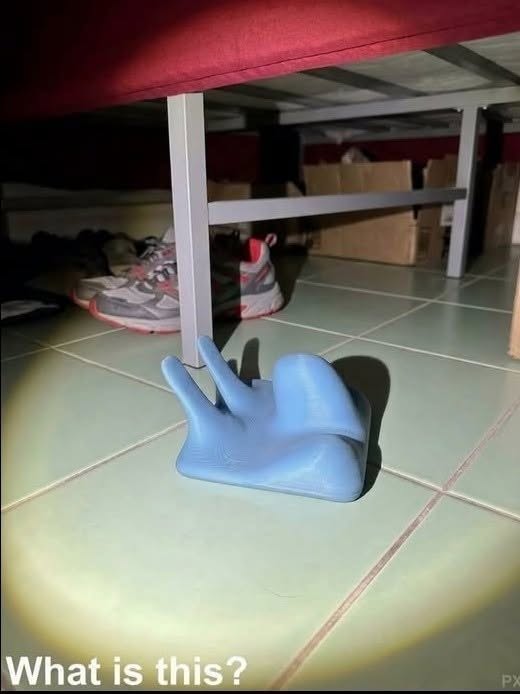
Modern households are filled with unique, custom-designed tools, innovative gadgets, and 3D-printed items that solve quirky everyday problems. When cleaning or searching under furniture, you might occasionally spot an unusual plastic object tucked away in a corner or supporting a bedframe. While these odd shapes can look baffling at first glance, they often serve a brilliant, highly specific engineering purpose designed to maximize space and stability in modern homes.
Navigating home organization, interior living spaces, and consumer choices requires the same meticulous attention and professional oversight that you would apply when consulting a qualified attorney for legal services or evaluating a financial investment portfolio. Just as careful planning protects your financial future, understanding the specialized items around your home helps you optimize your living environment safely. In this comprehensive guide, we will explore the origins of custom furniture accessories, examine the mechanics of specialized bed risers, review home safety tips, and provide practical advice for organizing your living space.
The Engineering and Purpose of Furniture Risers
To understand what a strange plastic object like a specialized bed riser does, we must look at how furniture design adapts to small spaces. In many homes, bedrooms feature metal bedframes resting on tile or hardwood floors, leaving precious vertical clearance underneath for storage boxes, shoes, or seasonal gear.
However, standard metal bed legs can sometimes slip, scratch floors, or fail to provide enough elevation. Custom-designed solutions—often created using 3D printing technology—allow homeowners to fabricate precise, contoured feet or risers that lock onto furniture legs securely. These specialized supports distribute weight evenly, prevent furniture from sliding on smooth tile surfaces, and elevate the frame to create maximum under-bed storage capacity.
Evolution and the Rise of Custom 3D Printing in Homes
Beyond traditional store-bought furniture blocks, the advent of consumer 3D printing has revolutionized how people solve everyday household inconveniences.
- Personalized Problem-Solving: Homeowners can now design and print custom brackets, clips, and risers tailored to exact furniture dimensions.
- Material Durability: Modern 3D-printed household tools utilize robust thermoplastics like PLA or PETG to ensure high structural strength under heavy loads.
- Community Innovation: Makers frequently share digital blueprints online, allowing people worldwide to print clever organizational gadgets for their own homes.
- Functional Aesthetics: Unlike bulky wooden blocks, custom prints can be engineered with sleek contours and specific color palettes to match home decor.
Step-by-Step Guide to Safe Furniture Organization and Storage
Maximizing your home storage safely requires proper planning, weight distribution, and secure furniture placement. Follow this structured approach to organize your living space effectively:
- Assess Weight Limits: Ensure that any furniture risers or supports you use are rated to handle the total combined weight of the bed frame, mattress, and occupants.
- Check Floor Stability: Inspect tile or hardwood floors for uneven surfaces before placing heavy furniture on elevated risers.
- Distribute Storage Evenly: Place storage boxes and containers evenly under the bed to prevent structural sagging or tipping hazards.
- Inspect Supports Regularly: Periodically check custom-printed or plastic components for signs of stress, cracking, or wear over time.
- Consult Professional Services: For major structural modifications or heavy lifting, seek assistance from qualified professionals or handymen.
- Maintain Clear Pathways: Keep under-bed storage neatly organized to ensure emergency evacuation paths remain completely unobstructed.
Nutritional and Lifestyle Wellness for a Well-Organized Home
Maintaining a clean, well-organized living environment involves more than just tidying up rooms; it requires balancing your daily routines, physical health, and mental well-being to sustain a peaceful home life.
+-----------------------------------+-----------------------+
| Wellness Focus                    | Household Benefit     |
+-----------------------------------+-----------------------+
| Mindful Decluttering              | Reduces stress        |
| Balanced Daily Routine            | Enhances productivity |
| Ergonomic Lifting                 | Prevents back injury  |
| Adequate Rest and Sleep           | Supports well-being   |
+-----------------------------------+-----------------------+
As detailed in the table above, maintaining a tidy and ergonomically sound home environment supports your overall peace of mind and physical health. Taking care of your living space ensures a comfortable, stress-free sanctuary.
Practical Tips for Household Maintenance
Integrating small, mindful habits into your home care routine helps preserve your furniture investments without requiring overwhelming effort:
- Use Protective Pads: Place rubber or felt pads beneath furniture legs and risers to prevent scratching delicate tile or hardwood floors.
- Measure Before Printing: Always double-check exact leg dimensions and ground clearance requirements before designing or purchasing custom furniture accessories.
- Address Wear Promptly: Replace any warped or cracked plastic risers immediately before they compromise furniture stability.
- Keep Floors Clean: Regularly sweep and mop under elevated furniture to prevent dust and allergen accumulation.
Interesting Facts About Household Innovation and Design
The history of home organization and manufacturing is filled with clever design innovations:
- Rise of Maker Culture: The proliferation of affordable 3D printers has enabled millions of people to manufacture custom household replacement parts at home.
- Ergonomic Engineering: Small design tweaks in furniture supports can drastically improve posture, storage efficiency, and room layout.
- Material Strength: Modern 3D-printed plastics can withstand surprising amounts of compression weight when printed with dense internal infill patterns.
- Creative Adaptation: Everyday items found around the house often hide clever engineering solutions designed to make modern living more convenient.
Conclusion
The mysterious plastic object tucked beneath the bed frame is a prime example of custom engineering and modern home innovation solving everyday space challenges. Whether created via 3D printing to secure a metal furniture leg or used to elevate storage, understanding these small details highlights the ingenuity of modern living. By prioritizing safety, proper weight distribution, organized living spaces, and thoughtful home maintenance, you can protect your household investments just as carefully as your financial and legal interests. Implement these mindful organization practices today to keep your home safe and functional.
FAQ Section
What is the purpose of furniture risers under a bed?
Furniture risers elevate bed frames to create valuable extra storage space underneath for boxes, shoes, and luggage while keeping furniture stable.
Are 3D-printed furniture parts strong enough to hold heavy weight?
Yes, when printed with strong thermoplastics and dense structural infill patterns, custom 3D-printed parts can withstand significant weight loads.
How can I ensure my elevated bedframe remains safe and stable?
Ensure the risers match the exact dimensions of the furniture legs, check that weight is distributed evenly, and inspect the supports regularly for cracks.
Why do some furniture supports feature unusual contoured shapes?
Contoured shapes are often custom-designed to cradle specific furniture leg profiles, prevent slipping on smooth tile floors, or lock securely into metal frames.
