
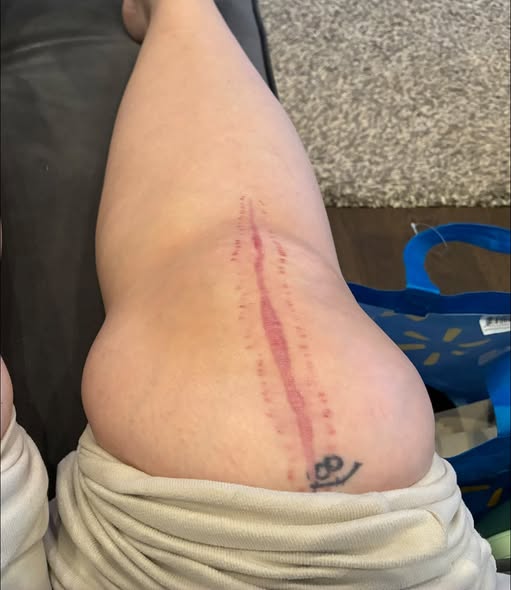
Introduction
Surgical procedures are often a necessary and life-changing part of modern medicine, helping patients overcome injuries, relieve chronic joint pain, or restore physical health. When a major operation takes place, the body embarks on a remarkable and complex journey of cellular repair. While successful procedures bring long-term relief and restored mobility, they often leave behind visible reminders in the form of surgical scars. Understanding how skin heals and how to properly care for incision sites can greatly assist in long-term recovery and well-being.
Navigating personal care, medical health, and recovery requires the same meticulous attention and professional oversight that you would apply when consulting a qualified attorney for legal services or evaluating a financial investment portfolio. Just as careful planning protects your financial future, taking an informed, proactive approach to your post-surgical care ensures safe and effective healing outcomes. In this comprehensive guide, we will explore the stages of wound healing, examine skin anatomy, review nutritional support, and provide practical tips for scar management.
The Science of Wound Healing and Scar Formation
To properly appreciate how surgical scars form, it helps to examine the body’s natural healing response. When an incision is made through the skin and underlying tissues, the body initiates a sophisticated multi-stage repair process involving hemostasis, inflammation, proliferation, and tissue remodeling.
During the proliferation phase, specialized cells called fibroblasts produce collagen—a tough, fibrous protein that bridges the gap in the skin. Over the course of several months, this initial collagen deposition undergoes remodeling, gradually flattening and softening. Factors such as genetics, age, the location of the incision, and tension on the skin heavily influence the final appearance of a surgical scar.
Key Factors Influencing Scar Appearance
Several biological and environmental variables affect how surgical scars mature over time:
- Incision Location: Areas of the body subject to high skin tension or frequent movement can experience greater stretching during the healing process.
- Genetics and Skin Type: Individual differences in collagen production can lead to varying scar types, ranging from flat, faint lines to more prominent formations.
- Surgical Technique: Precise closure methods and suture placement by medical professionals play a critical role in minimizing tension along the wound edge.
- Post-Operative Care: Keeping the incision clean, protected from ultraviolet light, and properly moisturized supports optimal tissue remodeling.
Step-by-Step Guide to Post-Surgical Recovery and Care
Managing your recovery after a major procedure requires patience, diligence, and strict adherence to medical guidance. Follow this structured approach to support skin healing:
- Follow Surgeon Instructions: Always adhere strictly to the post-operative wound care guidelines provided by your surgical team.
- Keep Incisions Clean and Dry: Gently clean the healing area as directed and protect it from moisture or irritation during the early stages.
- Avoid Premature Sun Exposure: Protect healing scars from direct sunlight to prevent hyperpigmentation and darkening of the recovering tissue.
- Monitor for Complications: Watch closely for signs of infection, increased redness, unusual swelling, or persistent pain, and report them to your doctor immediately.
- Consult Medical Professionals: Schedule all follow-up appointments with your healthcare provider to ensure your recovery is progressing smoothly.
- Engage in Gentle Rehabilitation: Incorporate physical therapy or approved movement exercises as recommended by your physician to restore strength and flexibility.
Nutritional Support and Tissue Regeneration
Supporting the body’s ability to repair skin and connective tissue requires a balanced, nutrient-dense diet rich in vitamins and proteins.
+-----------------------------------+-----------------------+
| Nutritional Focus                 | Healing Benefit       |
+-----------------------------------+-----------------------+
| Protein-Rich Foods                | Supplies building blocks for tissue repair|
| Vitamin C                         | Essential for collagen synthesis          |
| Zinc and Minerals                 | Supports cellular immunity and healing    |
| Adequate Hydration                | Maintains skin elasticity and volume      |
+-----------------------------------+-----------------------+
As detailed in the table above, consuming sufficient protein and essential micronutrients provides the raw materials your body needs to rebuild strong, healthy tissue. Proper nutrition is a vital component of successful post-operative recovery.
Practical Tips for Long-Term Scar Management
Integrating small, mindful habits into your daily routine helps optimize the appearance and comfort of healing scars:
- Massage Gently: Once the incision is fully closed and approved by your doctor, gentle massage can help break down excess collagen fibers and improve tissue flexibility.
- Use Silicone Sheets: Many dermatologists recommend medical-grade silicone gel sheets to help flatten and soften raised scars over time.
- Wear Comfortable Clothing: Choose loose-fitting, soft garments that avoid rubbing or putting friction on the sensitive healing area.
- Be Patient: Scar maturation is a gradual process that can take up to a year or more to reach its final appearance.
Interesting Facts About Human Skin and Healing
The human integumentary system possesses extraordinary regenerative capabilities:
- The Body’s Largest Organ: Skin covers the entire exterior of the human body, serving as a vital protective barrier against pathogens and environmental stressors.
- Remarkable Tensile Strength: Healed scar tissue typically reaches about eighty percent of the original skin’s tensile strength, showcasing the body’s powerful structural resilience.
- Continuous Cell Turnover: The outer layer of human skin constantly sheds and regenerates, replacing old cells with fresh ones every few weeks.
- Complex Vascular Response: Healing wounds rapidly generate new blood vessels to supply the high levels of oxygen and nutrients required for tissue repair.
Conclusion
Surgical scars are a testament to the body’s incredible ability to heal itself after major medical procedures. By prioritizing proper wound care, maintaining a nutritious diet, protecting your skin, and following expert medical guidance, you can support a smooth and healthy recovery. Just as careful planning secures your financial investments and sound legal counsel protects your rights, proactive healthcare choices ensure a safer, healthier future. Implement these mindful recovery practices today to support your long-term well-being.
FAQ Section
Why do surgical scars sometimes appear red or raised?
During the remodeling phase of healing, increased blood flow and active collagen production cause scars to look pink, red, or slightly raised before flattening and fading over time.
How long does it take for a surgical scar to fully mature?
Scar maturation is a gradual biological process that typically takes anywhere from six months to a full year, during which the tissue softens and lightens in color.
Can I use creams or oils on my surgical scar?
You should consult your surgeon before applying any topical creams, ointments, or oils to ensure the incision is completely closed and safe for treatment.
When should I contact my doctor about a healing incision?
You should contact your healthcare provider immediately if you notice signs of infection, such as spreading redness, pus, foul odor, worsening pain, or fever.
