
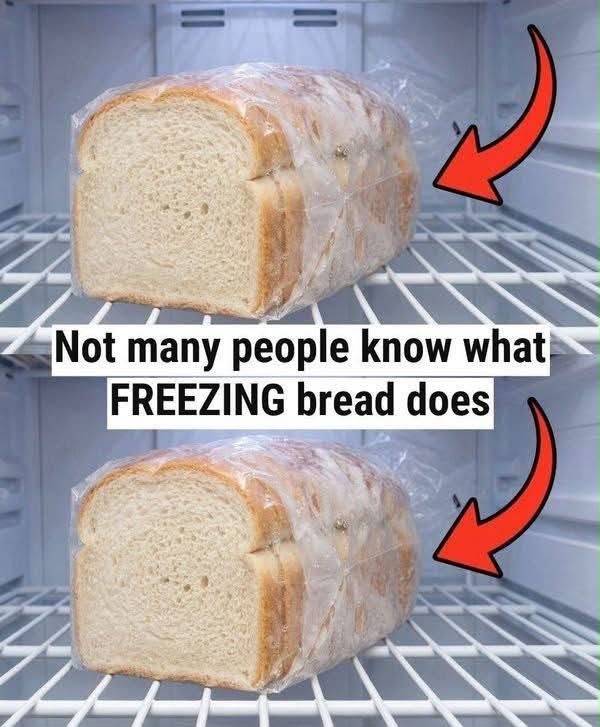
Grocery shopping, food storage, and waste reduction are daily priorities for households everywhere. Sifting through kitchen pantries and refrigerators often uncovers common storage dilemmas—such as how to keep baked goods fresh before they dry out, mold, or go stale. One such popular topic frequently shared across online communities is the science and utility of freezing a loaf of bread to extend its shelf life.
What actually happens to bread when it is placed in the freezer, and how does this simple culinary habit intersect with food safety, kitchen management, and smart household organization? This comprehensive guide explores the science of starch retrogradation, proper food storage techniques, and how everyday kitchen hacks benefit both your budget and your meals.
The Science of Bread Freezing and Starch Retrogradation
When people place a fresh loaf of bread into the freezer, a distinct physical and chemical process takes place that alters the structure of the baked goods.
1. Stopping Staling and Mold Growth
One primary benefit of freezing bread is halting the natural degradation process.
- Starch Retrogradation: Bread goes stale primarily through a process called starch retrogradation, where gelatinized starch molecules recrystallize at room temperature, causing the crumb to become firm and dry. Freezing significantly slows down this crystallization process.
- Preventing Spoilage: Storing bread in sub-zero temperatures prevents mold spores from germinating, protecting your groceries from premature spoilage in humid environments.
2. Moisture Preservation and Thawing
Proper packaging plays a crucial role in maintaining the quality of frozen baked goods.
- Freezer Burn Prevention: Wrapping a loaf securely in an airtight bag prevents dry freezer air from drawing out residual moisture, ensuring the bread retains its texture when thawed.
- Reviving Freshness: Toasting or gently reheating thawed bread helps restore its soft interior and crisp crust, making it taste almost as fresh as the day it was baked.
H2: The Broader Impact: Food Safety, Kitchen Efficiency, and Waste Reduction
Learning how to properly freeze and store everyday grocery items sparks a broader reassessment of how we manage household supplies, reduce food waste, and optimize our kitchens.
H3: Safety Precautions for Frozen Food Storage
Whenever you freeze and thaw perishable grocery items, proper handling and hygiene should be your primary concern.
- Avoiding Contamination: Ensure that storage bags are clean and tightly sealed to prevent freezer odors from permeating the porous structure of the bread.
- Checking for Quality: Inspect thawed bread for any signs of pre-existing mold or unusual textures before consumption, discarding slices that were compromised prior to freezing.
H3: The Financial and Practical Side of Grocery Management
Mastering food preservation ties directly into business, household budgeting, and smart kitchen organization.
- Minimizing Food Waste: Freezing excess bread prevents it from going to waste before you can finish the loaf, saving money on weekly grocery bills.
- Inventory Efficiency: Keeping an organized freezer allows you to stock up on baked goods during sales without worrying about spoilage.
H2: Practical Tips for Freezing and Thawing Bread Successfully
If you want to maximize the shelf life of your baked goods through freezing, use this step-by-step approach:
- Slice Before Freezing: Slice the loaf before placing it in the freezer so you can easily pull out single servings as needed rather than defrosting the entire loaf at once.
- Wrap Securely: Use heavy-duty freezer bags or wrap the loaf tightly in plastic wrap and aluminum foil to lock out moisture and prevent freezer burn.
- Thaw or Toast Directly: Let individual slices thaw at room temperature for a few minutes, or pop them straight into the toaster for a warm, fresh texture.
- Labeling: Mark the date on your freezer bags to keep track of how long items have been stored for optimal flavor and quality.
H2: Interesting Facts About Bread Preservation and Chemistry
- The Chemistry of Stale Bread: Contrary to popular belief, bread stales much faster at refrigerator temperatures (around 35°F to 40°F) than at room temperature or in the freezer, because cold fridge temperatures accelerate starch crystallization.
- History of Commercial Slicing: The invention of the commercial bread slicer in the 1920s revolutionized how families consumed and stored bread, making pre-sliced loaves ideal for freezing.
- Cellular Structure: Bread has a spongy, aerated structure filled with trapped carbon dioxide pockets created by yeast during fermentation, which allows it to rebound well when properly thawed.
- Global Staples: Bread is one of humanity’s oldest prepared foods, dating back over 10,000 years, leading to countless traditional methods for preserving its shelf life across cultures.
Conclusion
Freezing bread is a simple yet remarkably effective kitchen hack that transforms how we manage perishable groceries. By understanding the science of starch retrogradation and proper freezing techniques, you can enjoy fresh, delicious baked goods for weeks while significantly reducing household food waste.
Beyond saving money, mastering basic food preservation encourages smart kitchen organization, sustainable habits, and better meal planning. The next time you buy an extra loaf of bread, let your freezer do the preserving!
FAQ Section
Q1: Does freezing bread ruin its texture?
A: No, as long as the bread is wrapped tightly in an airtight bag to prevent moisture loss. Toasting thawed bread helps restore its warm, pleasant texture.
Q2: Is it better to store bread in the refrigerator or the freezer?
A: The freezer is much better. Refrigerator temperatures accelerate starch retrogradation, causing bread to dry out and stale much faster than it would at room temperature or in the freezer.
Q3: How long can you keep a loaf of bread in the freezer?
A: Bread can typically be stored in the freezer for up to 3 months without significant loss of quality, provided it is properly sealed against freezer burn.
Q4: Should I slice bread before freezing it?
A: Yes, slicing the loaf beforehand is highly recommended because it allows you to thaw only the exact number of slices you need, rather than the entire loaf.
Q5: Can you freeze homemade bread just like store-bought bread?
A: Absolutely. Homemade bread freezes wonderfully, provided it has cooled completely to room temperature before being wrapped and placed in the freezer.
