
In the digital age, food trivia, agricultural tips, and kitchen mysteries have become an undeniable staple of social media feeds. Every single day, millions of users stop scrolling to examine unusual produce photos, check their groceries for strange defects, or read about agricultural anomalies.
What is the science behind hollow heart in watermelons, and how do food safety observations intersect with agriculture, nutrition, and everyday consumer awareness? This comprehensive guide explores the biology of watermelon growth, common internal fruit defects, and the reality behind viral food photos.
The Science of Watermelon Growth and Hollow Heart
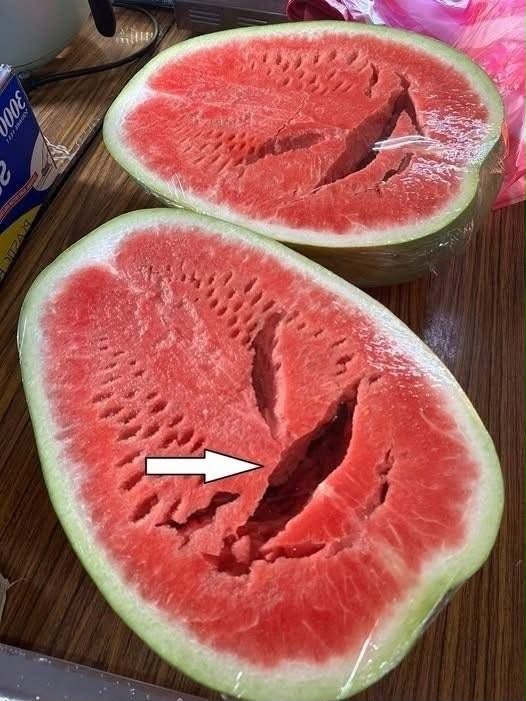
When people cut open a watermelon and discover large internal cracks, hollow cavities, or separation of the flesh, curiosity and concern often follow.
1. Understanding the “Hollow Heart” Phenomenon
The internal cracking seen in watermelons is a well-documented agricultural condition known as “hollow heart.”
- Pollination and Weather Factors: Hollow heart occurs when flowers are pollinated under suboptimal weather conditions, such as sudden temperature fluctuations or cool spells during the early growing season.
- Rapid Expansion: If environmental conditions cause the outer rind to expand faster than the inner flesh (placenta) can develop, internal tearing and hollow cavities form inside the fruit.
2. Is It Safe to Eat?
While unusual internal gaps can look alarming, the fruit remains safe for consumption.
- Flavor and Quality: Watermelons with hollow heart are generally just as sweet and edible as normal fruit, though the texture near the cracks may sometimes feel slightly mealy or dry.
- Not a Disease: Hollow heart is a physiological growth anomaly, not a sign of bacterial disease, viral infection, or chemical contamination.
H2: The Broader Impact: Food Literacy, Agriculture, and Digital Content
Encountering agricultural trivia and food anomaly photos online sparks a broader conversation about how food is grown, how we evaluate produce, and how digital media spreads information.
H3: Promoting Agricultural Literacy
Understanding why fruits develop natural variations helps consumers appreciate the complexities of farming.
- Reducing Food Waste: Recognizing that cosmetic defects or internal hollows do not make produce unsafe prevents unnecessary food waste at home.
- Farming Challenges: Weather unpredictability highlights the ongoing challenges faced by farmers striving to produce flawless crops.
H3: The Financial and Practical Side of Digital Publishing
Understanding what drives food-related engagement ties directly into business, digital publishing, and online content strategies.
- Engagement Dynamics: Content featuring surprising everyday visuals—like a cracked watermelon—reliably sparks high click-through rates, shares, and comment debates as users compare shopping experiences.
- Balancing Online Curiosity: Maintaining factual accuracy when publishing viral food content helps build a trusted, informed digital audience.
H2: Practical Tips for Selecting and Inspecting Produce
If you want to understand what to look for when buying watermelons and other fresh produce, use this step-by-step approach:
- Check for External Uniformity: Look for a watermelon with a symmetrical shape, a creamy yellow field spot (indicating ground ripeness), and a dull rather than shiny rind.
- Inspect the Stem: Ensure the stem is dry and brown rather than green, which indicates the melon was picked when fully ripe.
- Evaluate Texture at Home: If you encounter hollow heart after slicing, taste a small piece away from the crack; if the flavor and texture are normal, it is completely fine to enjoy.
- Consult Experts: If produce ever shows signs of severe rotting, foul odors, or mold, discard it immediately and consult your grocer.
H2: Interesting Facts About Watermelon Biology
- Botanical Classification: Watermelons are both a fruit and a vegetable, belonging to the Cucurbitaceae family alongside cucumbers, pumpkins, and squash.
- Water Content: Watermelons are composed of approximately 92% water, making them exceptionally hydrating and refreshing.
- Viral Appeal: Content focusing on unexpected kitchen discoveries and unusual food characteristics consistently attracts high engagement across social media platforms.
- Global Cultivation: Watermelons are grown in over 96 countries worldwide, thriving in warm climates with plenty of sunshine.
Conclusion
Discovering internal cracks or hollow spaces inside a watermelon can be surprising, but it is simply a natural agricultural phenomenon known as hollow heart. Understanding the science behind how fruits grow helps demystify everyday groceries and prevents unnecessary food waste.
Beyond kitchen tips, exploring agricultural trivia fosters a greater appreciation for the food on our tables. The next time an unusual food photo crosses your feed, approach it with informed curiosity and practical knowledge!
FAQ Section
Q1: What causes the cracks and hollow spaces inside a watermelon?
A: This condition, known as “hollow heart,” is caused by pollination issues during cooler or unstable weather conditions, which cause the inner flesh to tear as the fruit grows.
Q2: Is a watermelon with hollow heart safe to eat?
A: Yes. Hollow heart is a harmless physiological growth defect, meaning the fruit is completely safe to eat and typically retains its sweet flavor.
Q3: Does hollow heart affect the taste of the watermelon?
A: Generally, the taste remains sweet and normal, though the flesh right around the internal cavities can sometimes feel slightly dry or mealy in texture.
Q4: Is hollow heart caused by chemicals or diseases?
A: No. It is entirely related to weather and pollination dynamics during the growing process and is not a sign of disease or chemical contamination.
Q5: How can you tell if a watermelon has hollow heart before cutting it?
A: It is very difficult to detect hollow heart from the outside, as the rind and external shape usually look completely normal.
