
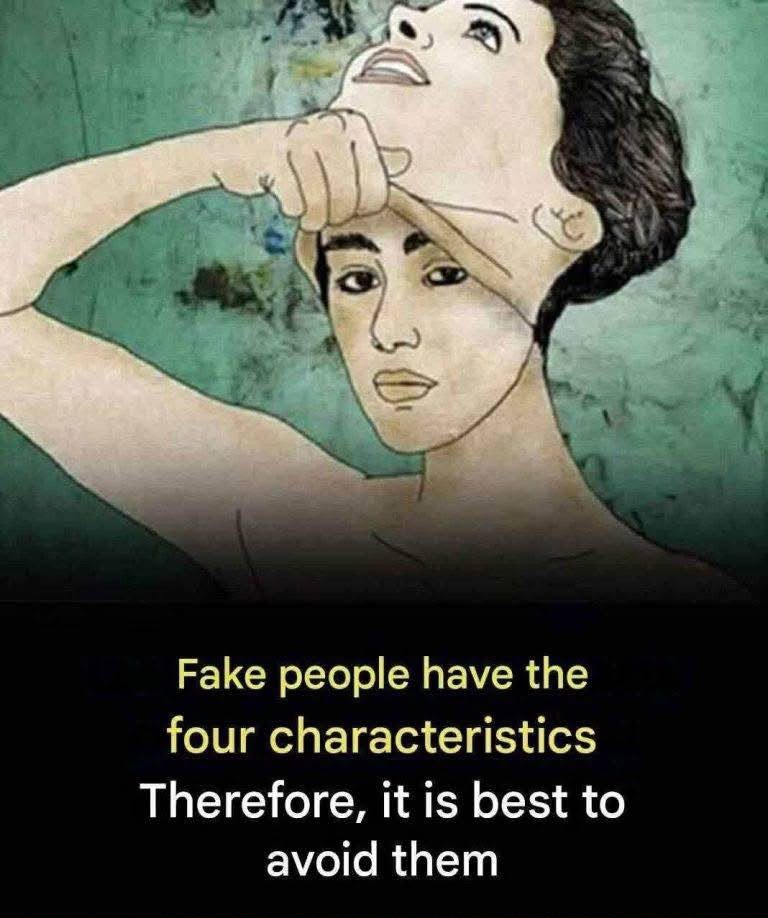
In the digital age, psychological insights, relationship advice, and social boundary tips have become an undeniable staple of social media feeds. Every single day, millions of users stop scrolling to reflect on personal boundaries, evaluate friendships, or read about how to identify toxic and insincere behavior.
What is the psychology behind our desire for authenticity, and how do interpersonal relationships intersect with emotional well-being, mental health, and digital media habits? This comprehensive guide explores the dynamics of authentic connections, the traits of insincere individuals, and why protecting your peace resonates so deeply online.
The Psychology of Authenticity and Social Boundaries
When people encounter a thoughtful warning about dealing with insincere individuals—such as evaluating the four key characteristics of fake people and choosing to avoid them—it frequently sparks a moment of internal reflection on personal friendships.
1. The Emotional Cost of Insincere Relationships
Maintaining connections with people who lack authenticity exerts a heavy toll on mental and emotional energy.
- Cognitive Overload: Constantly second-guessing someone’s motives or dealing with hidden agendas drains the mental bandwidth needed for genuine joy and productivity.
- Stress Responses: Prolonged exposure to toxic or superficial interactions keeps the body in a heightened state of stress, impacting overall mood and emotional stability.
2. The Healing Power of Healthy Boundaries
Practicing emotional self-care and setting clear social boundaries helps restore inner balance.
- Reframing Friendships: Letting go of draining relationships allows individuals to redirect their energy toward supportive, authentic connections that foster personal growth.
- The Dopamine of Clarity: Recognizing toxic patterns provides a quick psychological lift, reinforcing self-worth and mutual respect.
H2: The Broader Impact: Mental Health, Self-Care, and Digital Culture
While social psychology graphics look like simple online posts, they connect deeply to broader themes of psychological wellness and lifestyle management.
H3: Cultivating Daily Emotional Resilience
Maintaining a positive and grounded mindset requires intentional habits and regular self-reflection.
- Prioritizing Quality Over Quantity: Shifting focus away from superficial social circles and toward a few deep, trustworthy friendships supports long-term emotional stability.
- Setting Digital Boundaries: Balancing uplifting online content with offline self-care breaks helps reduce social fatigue and stress.
H3: The Financial and Practical Side of Content Creation
Understanding what inspires audiences ties directly into business, digital publishing, and online community building.
- Engagement Dynamics: Relationship advice and boundary-setting reminders reliably drive high shares, likes, and heartfelt comments as users connect over shared life experiences.
- Promoting Wellness Brands: Creators often use reflective messaging to foster loyal, engaged digital audiences interested in self-improvement and personal development.
H2: Practical Tips for Protecting Your Peace
If you want to cultivate more genuine relationships and set healthy boundaries in your daily life, use this step-by-step approach:
- Observe Actions Over Words: Pay close attention to whether someone’s actions consistently match what they say over time.
- Evaluate How You Feel: Notice whether interactions with a specific person leave you feeling energized or emotionally drained.
- Set Clear Boundaries: Politely distance yourself from individuals who display chronic negativity, gossip, or manipulation.
- Invest in Genuine Connections: Surround yourself with supportive, honest friends who encourage your personal growth and happiness.
H2: Interesting Facts About Social Psychology and Relationships
- The Origin of Authenticity: Philosophical and psychological studies on human behavior have long emphasized that authentic self-expression is essential for true psychological well-being.
- Health Benefits of Good Friends: Research suggests that maintaining strong, positive social relationships is linked to lower stress levels and greater overall life satisfaction.
- Viral Power of Relatability: Posts addressing common social frustrations consistently achieve high share rates on social media because they validate universal human experiences.
- The Brain’s Social Radar: Humans possess an acute cognitive ability to detect micro-expressions and inconsistencies in behavior, which helps us identify trustworthiness and sincerity.
Conclusion
Protecting your peace and prioritizing authentic relationships is essential for a balanced, happy life. Recognizing the traits of insincere individuals allows you to invest your precious time and energy where it truly matters.
Take a deep breath, set healthy boundaries, and choose to surround yourself with genuine people who support your well-being!
FAQ Section
Q1: Why do posts about dealing with fake people resonate so strongly online?
A: They tap into universal social experiences, validating personal boundaries and offering a comforting reminder to prioritize healthy, supportive relationships.
Q2: Is distancing yourself from insincere people considered selfish?
A: Not at all. Protecting your mental health and choosing to step away from toxic or draining dynamics is a vital act of self-care.
Q3: What are common signs that someone may not be genuine?
A: Common indicators include inconsistent stories, excessive gossip, a lack of support during difficult times, and behavior that changes depending on who is watching.
Q4: How does stress from toxic friendships affect physical health?
A: Chronic interpersonal stress can trigger elevated cortisol levels, leading to sleep disturbances, anxiety, and a weakened immune system over time.
Q5: What is the best way to handle a superficial or toxic relationship?
A: The best approach is often to gracefully limit contact, maintain polite boundaries, and redirect your energy toward nurturing positive, uplifting connections.
