
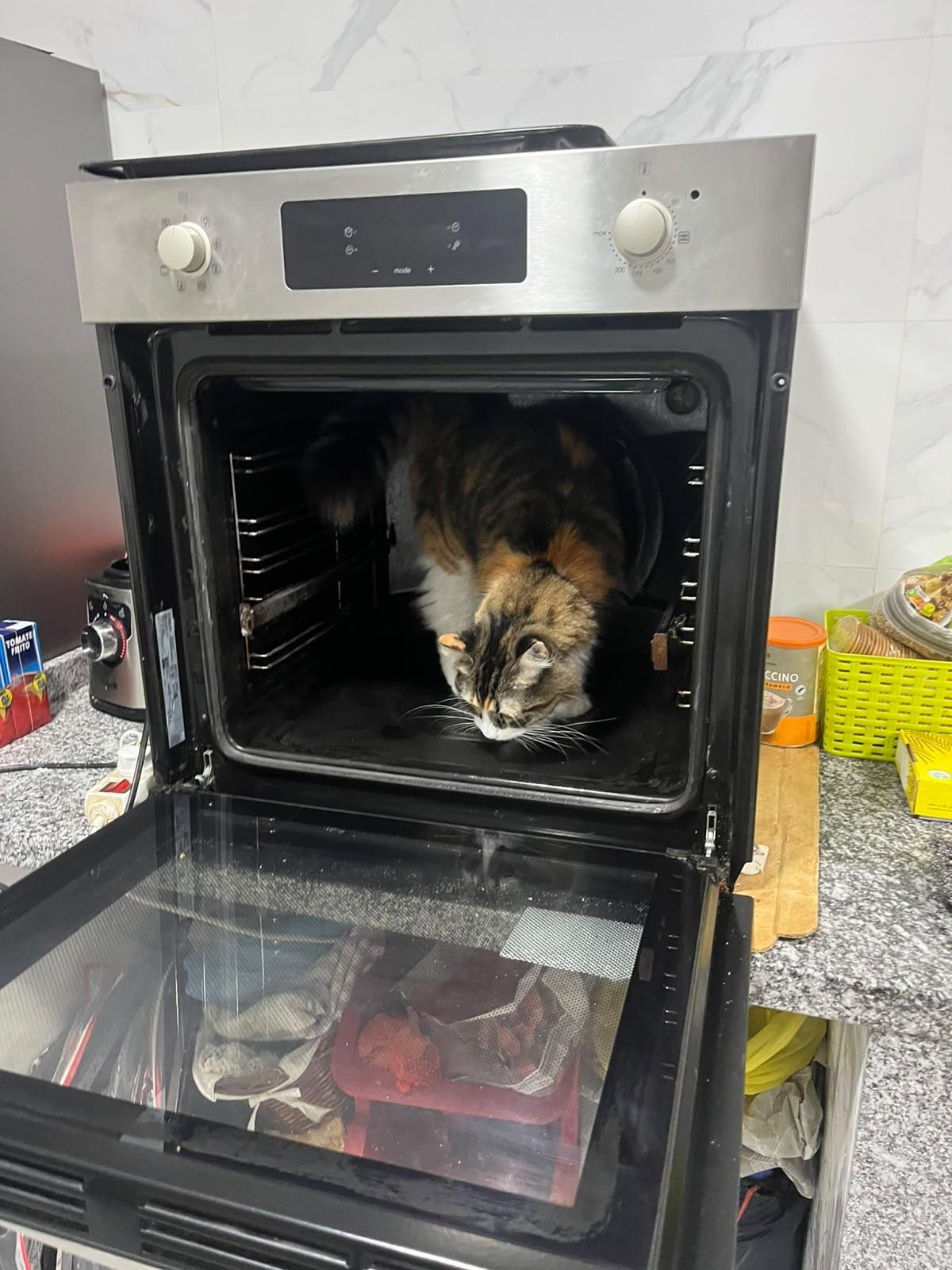
In the digital age, funny pet photos, quirky animal videos, and household pet antics have become an undeniable staple of social media feeds. Every single day, millions of users stop scrolling to look at pictures of cats squeezing into unusual places, dogs doing silly things, or pets exploring unexpected household nooks.
What is the psychology behind a cat’s fascination with tight spaces, and how do everyday pet behaviors intersect with home safety, feline instincts, and digital entertainment? This comprehensive guide explores the reasons behind strange feline hiding spots and why these funny moments capture our collective attention.
The Feline Fascination with Tight and Unusual Spaces
When people encounter a humorous photo of a pet exploring an appliance—such as a cat hanging out inside a kitchen oven—it immediately sparks amusement and wonder about why cats seek out such spots.
1. Instinctual Need for Security and Warmth
Cats possess natural evolutionary instincts that heavily influence their choice of resting places.
- Seeking Enclosed Protection: In the wild, small enclosed spaces provide safety from predators, making boxes, cabinets, and kitchen appliances feel like secure dens.
- Thermal Regulation: Cats have a slightly higher body temperature than humans and constantly seek out warm surfaces, cozy corners, or enclosed areas to stay comfortable.
2. The Dopamine of Pet Humor
Funny animal content is uniquely engineered to bring joy and drive high levels of social interaction.
- Universal Relatability: Every cat owner knows that felines will investigate virtually any open door or container in the house, making these photos instantly relatable.
- The Joy of Sharing: Playful pet mishaps provide a cheerful break from daily routines, encouraging users to like, share, and comment with stories of their own curious pets.
H2: The Broader Impact: Pet Care, Humor, and Digital Culture
While funny pet snapshots look like simple daily moments, they connect deeply to broader themes of animal care, household safety, and audience entertainment.
H3: Promoting Safe Household Habits
Enjoying playful pet antics also serves as a reminder to maintain a secure environment for curious animals.
- Checking Appliances: Because cats love to explore warm or dark places, pet owners learn the importance of always double-checking appliances like ovens, dryers, and dishwashers before turning them on.
- Engaging the Comment Section: Pet lovers naturally flock to comment sections to share funny experiences, discuss feline behavior, and exchange tips on keeping pets safe.
H3: The Financial and Practical Side of Content Creation
Understanding what amuses audiences ties directly into business, digital publishing, and online community building.
- Engagement Dynamics: Content featuring quirky pet behavior reliably drives high click-through rates, shares, and long comment threads as users react to funny animal habits.
- Balancing Entertainment: Creators use lighthearted imagery to maintain an engaging, vibrant feed that keeps followers returning daily.
H2: Practical Tips for Managing Curious Pets at Home
If you live with a curious cat who loves exploring unconventional spaces, use this step-by-step approach:
- Always Check Before Use: Make it a strict habit to look inside ovens, dryers, and washing machines before closing doors or turning them on.
- Provide Alternative Cozy Spaces: Set up designated cat caves, soft boxes, or warm perches to satisfy their natural desire for enclosed dens.
- Keep Doors Closed: Keep appliance and cabinet doors shut when not in use to prevent accidental entry by adventurous pets.
- Share the Joy: Tag fellow cat lovers in the comments who appreciate funny feline escapades.
H2: Interesting Facts About Feline Behavior
- Box Obsession: Studies show that enclosed spaces significantly reduce stress levels in cats, giving them a sense of control over their environment.
- Superb Agility: A cat’s flexible spine and floating clavicle bones allow them to squeeze into surprisingly tight openings and unconventional spots.
- Viral Appeal: Photos and videos highlighting funny animal behaviors consistently achieve massive reach across social platforms because they transcend language barriers and offer instant joy.
- Domestic Instincts: Even well-fed indoor housecats retain ancient predatory and survival instincts, including the drive to seek out hidden, defensible resting spots.
Conclusion
Quirky pet photos do much more than just brighten up a social media feed. They celebrate the amusing, unpredictable nature of our furry companions and bring communities together through shared laughter. Whether your cat prefers cardboard boxes or kitchen appliances, these funny moments remind us why we love sharing our homes with them.
Take another look at the curious explorer, share a smile, and enjoy the lighter side of pet ownership!
FAQ Section
Q1: Why do cats like to sit in strange places like ovens or boxes?
A: Cats seek out enclosed, secure spaces for comfort, warmth, and a natural sense of protection from perceived threats.
Q2: Why is it important to check appliances before turning them on?
A: Because cats love warm, dark, and enclosed areas, they frequently crawl inside appliances like ovens or dryers to nap, making safety checks essential.
Q3: Do all cats exhibit this kind of curious behavior?
A: While personalities vary, most domestic cats retain strong exploratory instincts and love investigating open doors, bags, boxes, and nooks.
Q4: How can you discourage a cat from getting into unsafe household areas?
A: Keeping appliance and room doors firmly closed, blocking access points, and providing appealing alternative hiding spots can help redirect their curiosity.
Q5: Why does funny pet content perform so well online?
A: Animal humor is universally relatable, brings instant emotional warmth, and encourages viewers to engage and share their own pet stories.
