
Introduction
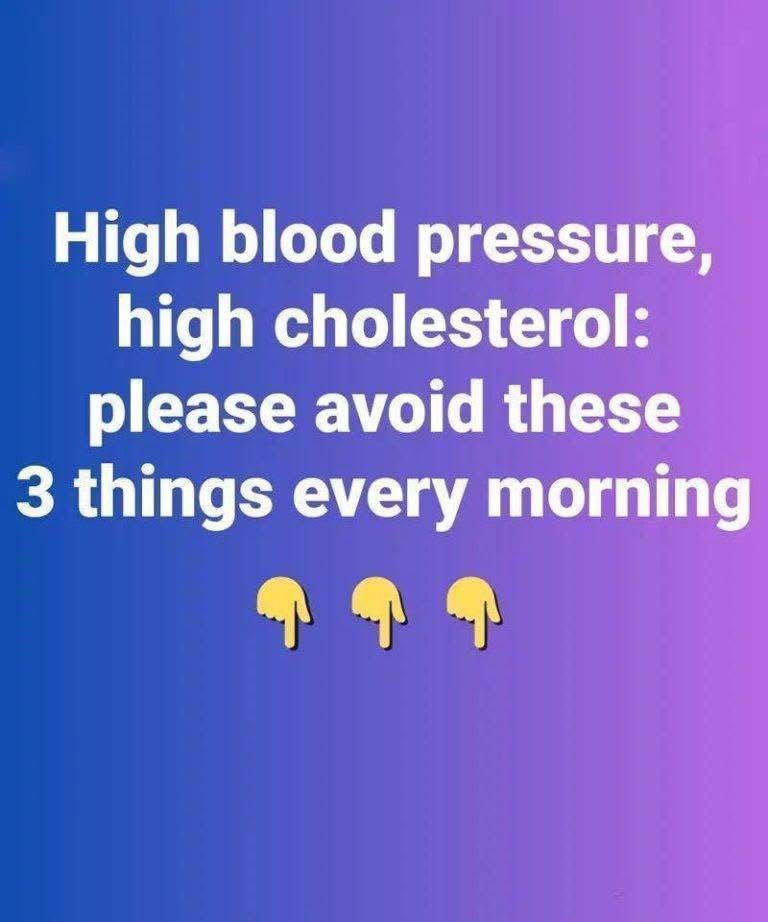
Cardiovascular health is a cornerstone of long-term wellness, influencing energy levels, vitality, and overall life expectancy. Managing conditions like high blood pressure and elevated cholesterol requires consistent daily habits, balanced nutrition, and an understanding of how morning routines impact cardiovascular function. Hearing warnings about daily habits that allegedly affect blood pressure and cholesterol can spark immediate curiosity and questions regarding heart health.
Exploring cardiovascular wellness also intersects with several professional sectors, including health insurance policies, medical malpractice liability, cardiology research, and wellness program financing. This comprehensive guide examines the physiological factors affecting blood pressure and cholesterol, the importance of professional medical guidance, and the broader financial and legal frameworks supporting patient care.
The Science of Cardiovascular Health and Daily Habits
While maintaining a healthy heart involves comprehensive lifestyle choices, understanding the biological mechanisms of blood pressure and cholesterol helps clarify wellness recommendations:
- Blood Pressure Regulation: Blood pressure fluctuates naturally throughout the day, influenced by stress, physical activity, hydration, and dietary choices made from the moment you wake up.
- Cholesterol Management: Managing lipid levels requires long-term dietary balance, regular physical activity, and medical oversight rather than single morning interventions.
- The Importance of Professional Guidance: Relying on unverified social media posts for medical advice can lead to confusion; consulting a qualified physician or cardiologist is essential for managing chronic cardiovascular conditions.
- Advances in Cardiology: Modern medical research relies on advanced diagnostics, pharmaceutical treatments, and preventative cardiology programs to protect patient heart health.
Financial, Legal, and Insurance Considerations in Healthcare
Managing cardiovascular health, routine checkups, and medical liability involves navigating several key professional domains:
- Health Insurance and Preventive Care: Comprehensive insurance policies cover routine blood pressure screenings, cholesterol panels, and consultations with cardiovascular specialists.
- Medical Malpractice Insurance: Healthcare practitioners maintain professional liability coverage to ensure high standards of patient care and diagnostic accuracy.
- Legal Protections and Patient Rights: Regulatory guidelines protect patients from misleading medical claims and ensure that healthcare providers adhere to strict ethical standards.
- Biotech and Pharmaceutical Investments: Ongoing funding in medical research drives the development of innovative treatments for hypertension and hyperlipidemia.
Practical Tips for Daily Cardiovascular Wellness
Maintaining a healthy heart and establishing positive daily habits involves simple, practical steps:
- Monitor Your Vitals: Regularly check your blood pressure and cholesterol levels with the guidance of your healthcare provider.
- Adopt a Heart-Healthy Diet: Focus on balanced meals rich in fiber, whole grains, lean proteins, and fresh produce while minimizing excessive sodium and saturated fats.
- Avoid Self-Diagnosis: Rely on professional medical advice rather than unverified online claims when evaluating health warnings.
- Stay Physically Active: Incorporate regular aerobic exercise and movement into your daily routine to support optimal cardiovascular function.
Interesting Facts About Cardiovascular Health
- The Morning Surge: Medical studies show that blood pressure naturally experiences a sharp rise upon waking as the body prepares for daily activity.
- Preventive Impact: Lifestyle modifications, such as regular exercise and balanced nutrition, can significantly reduce the risk of developing long-term hypertension.
- Technological Innovations: Modern home blood pressure monitors allow patients to track their vitals with clinical-grade accuracy.
- Global Awareness: Public health campaigns worldwide continuously emphasize early detection and management of cardiovascular risk factors to improve longevity.
Conclusion
Encountering health warnings on social media can be intriguing, but understanding true cardiovascular science helps put daily habits into a realistic perspective. By combining healthy morning routines with professional medical consultations, robust health insurance planning, and reliable diagnostic care, individuals can protect their long-term heart health.
FAQ Section
What morning habits affect blood pressure and cholesterol?
While daily routines involving hydration, diet, and stress levels influence overall well-being, managing chronic conditions like high blood pressure and cholesterol requires comprehensive medical guidance rather than isolated morning fixes.
When should I consult a doctor about my blood pressure?
You should consult a healthcare professional regularly to monitor your blood pressure and cholesterol, or immediately if you experience persistent symptoms like dizziness, headaches, or chest discomfort.
How do doctors evaluate cardiovascular health?
Physicians assess cardiovascular health through physical examinations, blood lipid panels, routine blood pressure monitoring, and specialized diagnostic tests when necessary.
Are preventive cardiovascular screenings covered by health insurance?
Most standard health insurance plans fully cover routine preventive screenings, including blood pressure checks and cholesterol blood tests, as part of annual wellness exams.
