
Introduction
Monitoring daily physical indicators is a simple yet effective way to stay attuned to your body’s hydration levels and overall well-being. However, encountering alarming medical claims online regarding unusual symptoms or changes in bodily fluids can occasionally cause unnecessary concern. Understanding what urine color actually signifies helps separate normal physiological variations from indicators that require professional medical attention.
Exploring urological health and medical awareness also intersects with several professional sectors, including health insurance policies, medical malpractice liability, urology research, and clinical compliance. This comprehensive guide examines the physiological factors influencing urine coloration, the importance of professional medical diagnostics, and the broader financial and legal frameworks supporting patient care.
The Science of Urine Coloration and Hydration
While significant color changes can sometimes accompany various medical conditions, understanding the biological responsibilities of the renal system helps clarify health observations:
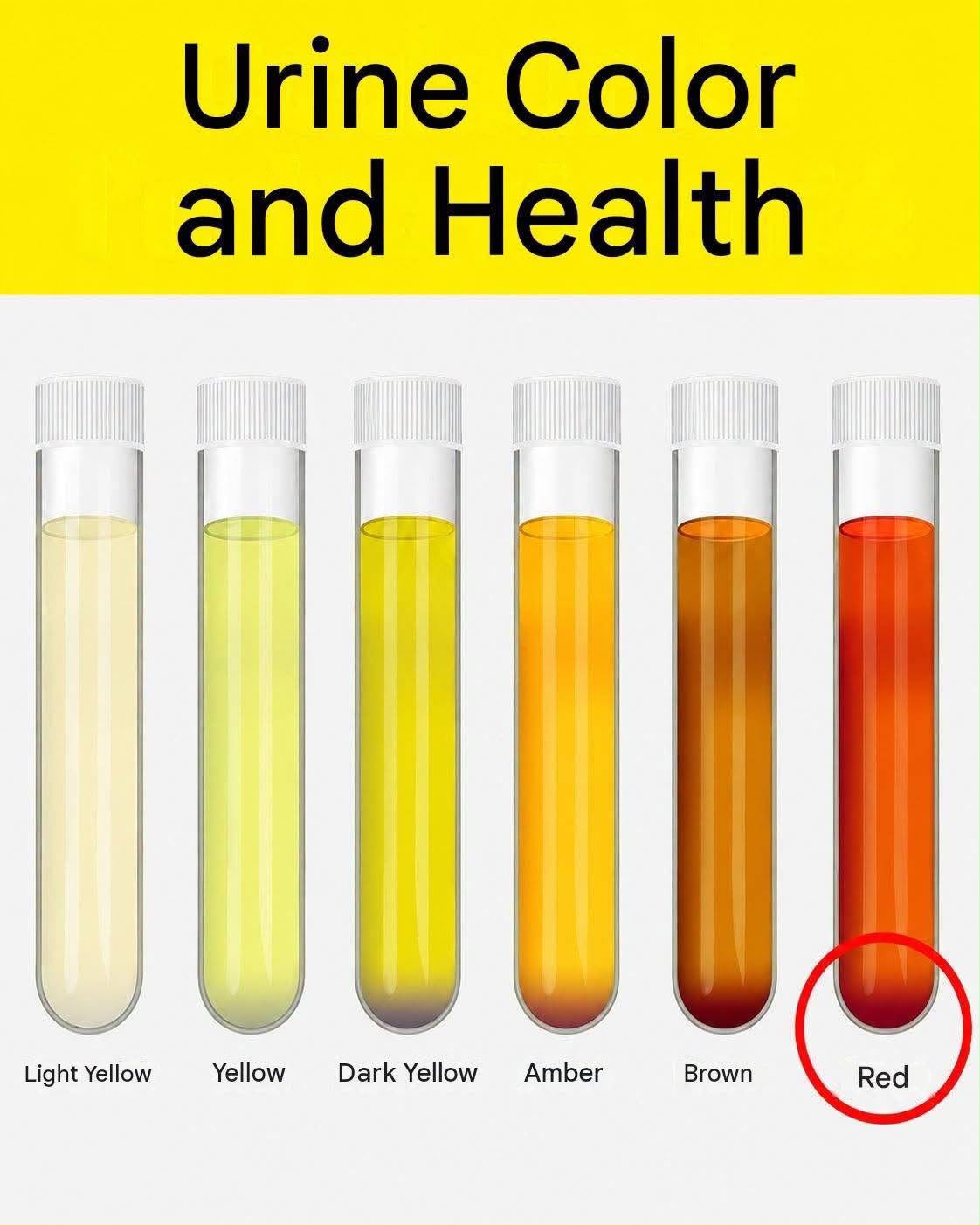
- Hydration and Pigmentation: Urine color is primarily determined by hydration levels and urochrome pigment, with well-hydrated individuals typically producing pale yellow urine.
- Recognizing Warning Signs: Persistent changes in urine color—such as dark amber, brown, or reddish hues—can sometimes signal underlying health issues, dehydration, or dietary factors, prompting physicians to perform diagnostic evaluations.
- The Importance of Professional Screening: Relying on unverified social media posts for health diagnoses can lead to unnecessary panic; consulting a qualified physician or specialist is the only safe way to assess urological health.
- Advances in Urology: Modern medical research relies on advanced urinalysis, laboratory tests, and clinical screenings to accurately diagnose and treat renal and urinary tract disorders.
Financial, Legal, and Insurance Considerations in Healthcare
Managing patient health, diagnostic testing, and medical liability involves navigating several key professional domains:
- Health Insurance and Preventive Care: Comprehensive insurance policies cover routine physical examinations, specialist consultations, and essential diagnostic laboratory screenings.
- Medical Malpractice Insurance: Healthcare practitioners maintain professional liability coverage to ensure high standards of diagnostic accuracy and patient safety.
- Legal Protections and Patient Rights: Regulatory guidelines protect patients from misleading medical claims and ensure that healthcare providers adhere to strict ethical standards.
- Biotech and Pharmaceutical Investments: Ongoing funding in medical research drives the development of advanced diagnostic tools and targeted therapies for urological conditions.
Practical Tips for Monitoring Hydration and Health
Maintaining overall wellness and responding appropriately to physical symptoms involves simple, practical steps:
- Monitor Persistent Symptoms: If you experience unusual, long-lasting changes in urine color or urinary habits, schedule an appointment with a doctor.
- Avoid Self-Diagnosis: Rely on professional medical advice rather than unverified online claims when evaluating health warning signs.
- Maintain Proper Hydration: Support your renal system and overall health by drinking adequate amounts of water throughout the day.
- Keep Medical Records: Document any recurring symptoms or physical changes to share accurately with your healthcare provider during checkups.
Interesting Facts About Renal Health
- The Filtration System: The kidneys filter hundreds of quarts of fluid every day, regulating waste removal and maintaining fluid balance in the body.
- Dietary Influences: Certain foods and medications can temporarily alter urine color safely without indicating any underlying medical pathology.
- Technological Innovations: Modern laboratory urinalysis tools allow physicians to analyze metabolic and renal markers with exceptional precision.
- Preventive Care: Early detection protocols for kidney and urinary conditions have significantly improved patient management and recovery outcomes over recent decades.
Conclusion
Encountering alarming health claims on social media can be unsettling, but understanding renal science helps put physical symptoms into a realistic perspective. By combining regular health monitoring with professional medical consultations, robust health insurance planning, and reliable diagnostic care, individuals can protect their long-term health and well-being.
FAQ Section
What does different urine color indicate about health?
Urine color primarily reflects hydration status, but variations from light yellow to dark amber, brown, or red can sometimes indicate dehydration, dietary influences, or conditions requiring professional medical evaluation.
When should I see a doctor about changes in urine color?
You should consult a healthcare professional if you experience persistent or unexplained changes in urine color that do not resolve with improved hydration or standard care.
How do doctors diagnose urological and renal conditions?
Physicians perform physical examinations, review detailed medical histories, and utilize urinalysis, blood tests, or imaging scans to assess urinary and kidney function.
Are health insurance policies covering specialist urology visits?
Most standard health insurance plans cover consultations with specialists when referred by a primary care physician or when deemed medically necessary.
