
Introduction
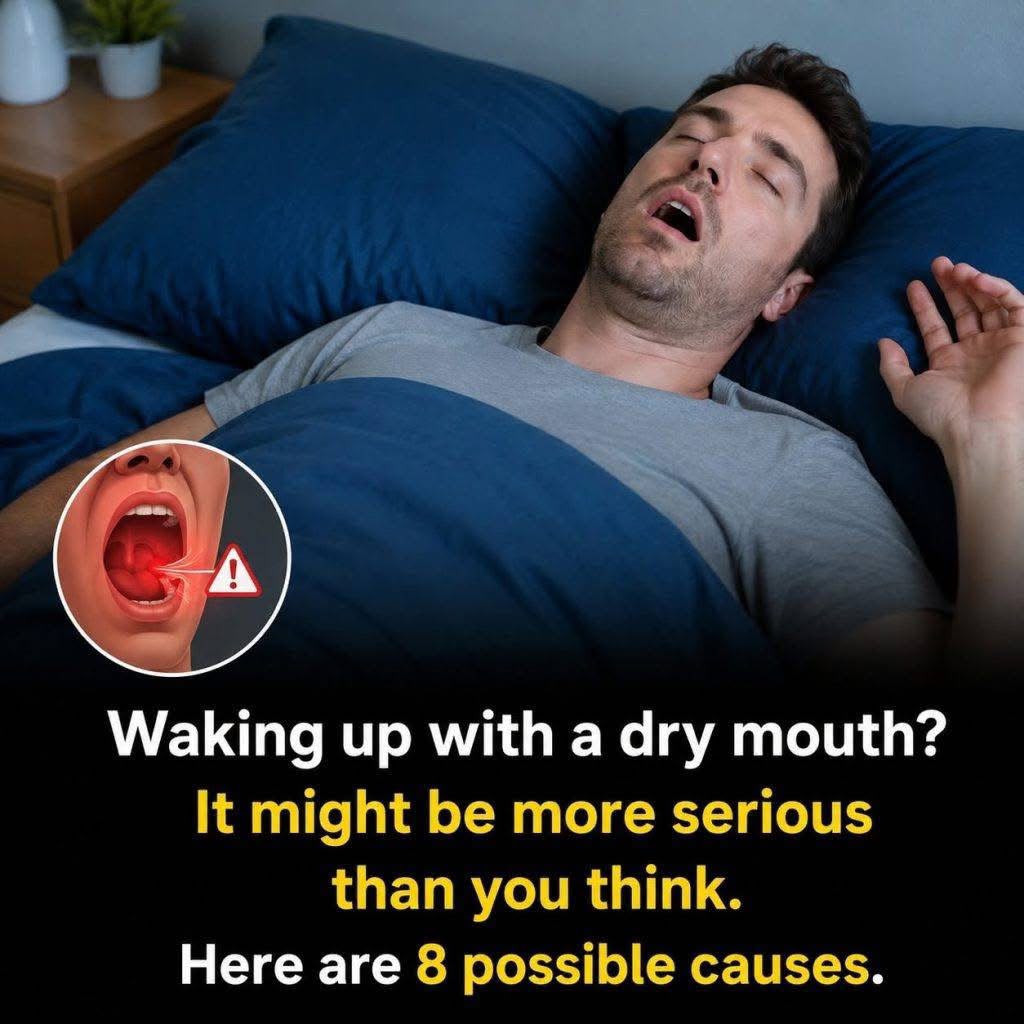
Have you ever woken up in the middle of the night or right after your alarm goes off feeling as though you’ve swallowed a handful of desert sand? A parched throat, a sticky tongue, and cracked lips are common complaints that many people dismiss as a simple inconvenience from sleeping with a window open or the heater running. However, chronic dry mouth—medically known as xerostomia—upon waking can be an underlying signal of deeper physiological imbalances, environmental factors, or chronic health conditions.
While it is easy to brush off a dry mouth as a minor nuisance, ignoring persistent symptoms can negatively impact your dental health, sleep quality, and overall well-being. Understanding why your mouth feels like cotton every morning is the first step toward reclaiming your health and finding lasting relief. In this comprehensive guide, we will explore eight potential causes behind morning dry mouth, examine its broader health implications, and offer actionable insights to help you sleep better and wake up refreshed.
The Anatomy of Morning Dry Mouth (Xerostomia)
To understand why waking up with a dry mouth happens, it helps to look at how saliva production functions overnight. Normally, your salivary glands slow down their output while you sleep to prevent you from drooling constantly. However, this natural reduction should not result in a completely dry, painful oral cavity.
When saliva flow drops too low, the natural cleansing and protective mechanisms of your mouth are compromised. Saliva plays a critical role in neutralizing acids produced by bacteria, remineralizing tooth enamel, and keeping oral tissues lubricated. When it disappears, bacteria flourish, leading to morning breath, an increased risk of cavities, gum inflammation, and difficulty swallowing or speaking upon waking.
1. Chronic Mouth Breathing During Sleep
Why It Happens
One of the most frequent culprits behind waking up parched is mouth breathing. When you sleep with your mouth open, air continuously flows across your oral mucosa, accelerating the evaporation of moisture. This can be caused by nasal congestion, a deviated septum, chronic allergies, or enlarged adenoids and tonsils.
The Impact on Your Health
Beyond just causing a dry mouth, habitual mouth breathing alters the filtration and humidification of the air you inhale. Unfiltered, dry air hits the throat directly, which can irritate the respiratory lining and worsen snoring or mild sleep disturbances. Addressing nasal blocknesses through saline rinses, air purifiers, or allergy management can often resolve morning dryness entirely.
2. Obstructive Sleep Apnea (OSA)
The Hidden Danger
Obstructive Sleep Apnea is a serious medical condition characterized by repeated pauses in breathing throughout the night due to the collapse of soft tissues in the back of the throat. Because individuals with OSA struggle to get air through their nose or partially blocked airway, they automatically gasp through their mouth.
Connection to Dry Mouth
Waking up with an exceptionally dry mouth, accompanied by fatigue, morning headaches, or daytime sleepiness, is a classic warning sign of sleep apnea. Because untreated OSA can strain cardiovascular health, managing it properly is critical. If you suspect sleep apnea, consulting a medical professional or legal or health specialist for a formal sleep study is essential.
3. Side Effects of Common Medications
Prescription and Over-the-Counter Drugs
Medications are among the leading external causes of reduced salivary flow. Hundreds of commonly prescribed drugs—including antihistamines, decongestants, high blood pressure medications, antidepressants, muscle relaxants, and diuretics—list dry mouth as a primary side effect.
Managing Medication-Induced Dryness
If you recently started a new prescription and noticed your mouth becoming unusually dry, do not stop taking your medication abruptly. Instead, consult your prescribing physician or healthcare provider. They may be able to adjust your dosage, switch you to an alternative medication, or recommend specific saliva substitutes to protect your teeth.
4. Dehydration and Evening Fluid Intake
The Daily Balance
It sounds obvious, but failing to consume enough fluids throughout the day directly impacts your body’s hydration status at night. If your overall daily water intake is low, your body prioritizes vital organs, conserving water and reducing non-essential secretions like saliva.
Evening Habits That Drain Moisture
Consuming caffeinated beverages, sugary sodas, or alcohol close to bedtime can exacerbate the issue. Alcohol acts as a diuretic, pulling water from your tissues and leaving you dehydrated by morning, which intensifies that sticky, dry sensation.
5. Age-Related Salivary Gland Changes
The Natural Aging Process
As people grow older, the physiological composition of their body shifts. While dry mouth is not an inevitable consequence of aging on its own, older adults are statistically more likely to experience it.
Contributing Factors in Seniors
Older individuals are also more likely to take multiple prescription medications simultaneously, increasing the likelihood of drug-induced dry mouth. Additionally, underlying chronic conditions that develop later in life can alter glandular function. Maintaining regular dental check-ups and staying proactive about hydration can help mitigate these age-related shifts.
6. Underlying Medical Conditions and Autoimmune Diseases
Systemic Health Triggers
Sometimes, a dry mouth is a manifestation of an internal medical condition. Autoimmune disorders like Sjögren’s syndrome specifically attack the glands that produce saliva and tears, causing severe, chronic dryness.
Other Related Health Issues
Diabetes, thyroid disorders, and neurological conditions like stroke or Parkinson’s disease can also impact nerve signaling and glandular secretion. If lifestyle changes do not resolve your symptoms, seeking a thorough medical evaluation is vital to rule out systemic disorders.
7. Lifestyle Factors: Smoking and Vaping
Chemical Irritants
Inhaling smoke from cigarettes, cigars, or electronic vaping devices introduces hot, chemical-laden vapor directly into the oral cavity. This irritates the delicate mucosal lining and inhibits the normal functioning of your salivary glands.
Long-Term Consequences
Tobacco and nicotine use not only dry out the mouth overnight but also elevate your risk of gum disease, tooth decay, and oral cancers. Reducing or eliminating tobacco use is one of the most effective ways to restore natural oral moisture and protect your long-term health.
8. Environmental Factors in the Bedroom
Low Humidity and Heating Systems
Your bedroom environment plays a surprisingly large role in how your mouth feels when you wake up. Sleeping in a room with dry heat, air conditioning, or very low ambient humidity causes moisture to evaporate rapidly from your lips and open mouth.
Optimizing Your Sleeping Environment
Using a cool-mist humidifier in your bedroom during dry winter months or dry climates adds moisture back into the air, preventing your oral tissues from drying out while you rest. Ensuring proper ventilation can also make a noticeable difference.
Practical Tips to Prevent Morning Dry Mouth
To help you wake up feeling comfortable and hydrated, incorporate these practical daily habits:
- Hydrate Consistently: Drink water steadily throughout the day rather than trying to chug a large glass right before bed.
- Use a Humidifier: Place a clean humidifier in your bedroom to keep the air moist throughout the night.
- Breathe Through Your Nose: Practice conscious nasal breathing, and use saline nasal sprays or strips if you experience congestion.
- Limit Alcohol and Caffeine: Avoid consuming alcoholic or heavily caffeinated beverages in the hours leading up to bedtime.
- Choose Sugar-Free Gum: Chewing xylitol-based gum during the day helps stimulate natural saliva production.
- Practice Good Oral Hygiene: Brush twice daily with a fluoride toothpaste and use an alcohol-free mouthwash designed for dry mouth to protect your enamel.
Interesting Facts About Saliva and Oral Health
Did you know these fascinating details about how your mouth stays healthy?
- Massive Production: A healthy human body produces between 1 to 2 liters of saliva every single day—equivalent to filling a large soda bottle.
- Natural Defense: Saliva contains natural antibodies, enzymes, and minerals that actively fight off harmful bacteria and repair early stages of tooth decay.
- Taste Enhancement: Saliva is necessary for taste; food molecules must dissolve in saliva before they can stimulate your taste buds.
Conclusion
Waking up with a dry mouth is more than just a minor annoyance—it is a signal from your body that something in your environment, daily habits, or health profile needs attention. Whether it is simple dehydration, sleeping with your mouth open, a medication side effect, or an underlying condition like sleep apnea, identifying the root cause is essential. By taking proactive steps to improve your bedroom environment, adjust your evening habits, and consult healthcare professionals when needed, you can protect your oral health and wake up feeling refreshed every single day.
FAQ Section
Q1: Is morning dry mouth permanent?
A: Not necessarily. If it is caused by temporary factors like dehydration, mouth breathing during a cold, or low bedroom humidity, it can be easily resolved with lifestyle adjustments. However, chronic dry mouth caused by medications or autoimmune conditions may require ongoing management.
Q2: Can dry mouth ruin my teeth?
A: Yes. Because saliva protects your teeth from acids and bacteria, a chronic lack of moisture significantly increases your risk of developing tooth decay, gum disease, and oral infections.
Q3: When should I see a doctor about dry mouth?
A: You should consult a healthcare provider or dentist if your dry mouth is persistent, causes difficulty swallowing or speaking, disrupts your sleep, or is accompanied by other symptoms like severe fatigue or joint pain.
