
Introduction
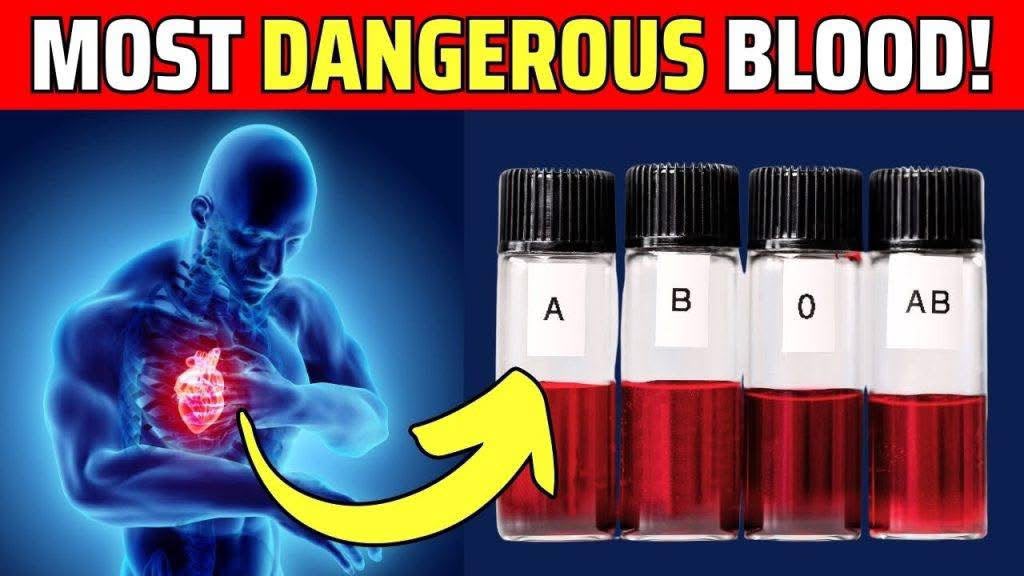
Blood is the vital fluid that sustains life, carrying oxygen, nutrients, and immune defenses to every corner of the human body. While most people are familiar with their blood type only when visiting a doctor or donating blood, medical science has increasingly focused on how different blood groups influence overall health, longevity, and disease susceptibility. The concept of a “most dangerous blood type” often sparks intense curiosity, raising questions about whether certain genetic markers put individuals at a higher risk for cardiovascular issues, clotting disorders, or other systemic conditions.
Understanding the nuances of blood types—A, B, AB, and O—goes far beyond simple compatibility for transfusions. In this comprehensive guide, we will explore the science behind blood groups, examine which blood types are associated with specific health risks, discuss high-impact lifestyle and financial considerations regarding medical care, and offer practical tips for maintaining optimal health regardless of your blood group.
The Science of Blood Groups: Understanding the ABO System
To understand why certain blood types receive more attention regarding health risks, we must first look at the ABO blood group system. Your blood type is determined by the presence or absence of specific antigens—proteins and sugars—on the surface of your red blood cells.
- Type A Blood: Features A antigens on the red blood cells and anti-B antibodies in the plasma.
- Type B Blood: Features B antigens on the cells and anti-A antibodies in the plasma.
- Type AB Blood: Features both A and B antigens with no corresponding antibodies, making individuals universal recipients for red blood cells.
- Type O Blood: Features neither A nor B antigens, but contains both anti-A and anti-B antibodies, making type O individuals universal donors for red blood cells.
In addition to these markers, blood is classified by the Rhesus (Rh) factor—either positive or negative—depending on the presence of another specific protein.
1. Cardiovascular Risks and Blood Type A, B, and AB
The Clotting Connection
Extensive clinical research has suggested that individuals with non-O blood types—namely A, B, and AB—may carry a higher concentration of certain proteins involved in blood clotting, such as von Willebrand factor and factor VIII.
Impact on Heart Health
Because of these elevated clotting factors, non-O blood types have been statistically linked in various studies to a slightly higher risk of cardiovascular events, deep vein thrombosis, and myocardial infarctions. While this does not mean individuals with type A, B, or AB are guaranteed to experience heart issues, it highlights the importance of proactive cardiovascular screening, maintaining a balanced diet, and monitoring blood pressure regularly.
2. Type O Blood: Unique Advantages and Vulnerabilities
The Bleeding Tendency
On the other side of the spectrum, type O blood is frequently studied for its contrasting traits. Because type O individuals have lower levels of certain clotting proteins, their blood tends to clot less easily.
Health Implications
While lower clotting tendencies can reduce the risk of harmful blood clots and stroke, they can pose challenges during major surgeries, trauma, or severe bleeding injuries. Additionally, some epidemiological studies suggest that type O individuals may exhibit different susceptibilities to certain gastrointestinal infections compared to other groups. Balancing these factors requires careful medical management and regular check-ups with healthcare professionals.
3. Financial, Insurance, and Legal Planning for Health Risks
Navigating Medical Costs
Understanding your genetic predispositions and health risks is not just a matter of clinical curiosity; it also intersects with personal finance and long-term planning. Managing chronic conditions or engaging in preventive health monitoring can involve substantial costs.
Insurance and Legal Protection
Securing comprehensive health insurance, disability coverage, and life insurance policies early in life helps protect individuals and families from unexpected medical expenses. Furthermore, having legal directives, such as medical powers of attorney and updated wills, ensures that your healthcare wishes are honored if you ever face a critical medical emergency. Consulting legal and financial advisors can provide peace of mind and financial security.
4. The Role of Lifestyle Factors in Mitigating Genetic Risks
Diet and Nutrition
Regardless of whether you have type A, B, AB, or O blood, lifestyle choices play the most dominant role in determining your overall health outcomes. Adopting a nutrient-dense diet rich in antioxidants, lean proteins, whole grains, and healthy fats helps support vascular integrity and reduce systemic inflammation.
Exercise and Stress Management
Engaging in regular cardiovascular and strength-training exercise improves circulation, lowers resting heart rate, and enhances metabolic function. Combined with effective stress management techniques—such as mindfulness, adequate sleep, and avoiding tobacco use—individuals can significantly lower their overall health risks regardless of their blood group.
5. Global Distribution and Evolutionary Perspectives
Why Do Different Blood Types Exist?
From an evolutionary standpoint, the persistence of diverse blood types across human populations suggests that each group once offered specific survival advantages. For instance, researchers theorize that certain blood group variations may have evolved to provide natural resistance against specific historical infectious diseases and pathogens.
Geographic and Demographic Variations
Blood type distribution varies dramatically across different ethnic groups and geographic regions. For example, type O is remarkably common in many indigenous populations around the world, while types A and B appear in higher concentrations in other demographic groups. Understanding these distributions helps blood banks and medical researchers optimize emergency supply chains globally.
Practical Tips for Health Management Based on Blood Profile
To keep your body functioning at its best, incorporate these actionable steps into your daily routine:
- Know Your Numbers: Regularly check your blood pressure, cholesterol levels, and blood sugar with your primary care physician.
- Stay Hydrated: Drink plenty of water throughout the day to support optimal blood circulation and prevent unnecessary thickening.
- Review Your Coverage: Consult with insurance and financial specialists to ensure your health policy covers comprehensive preventive screenings.
- Maintain an Active Routine: Incorporate at least 30 minutes of moderate physical activity into your schedule most days of the week.
- Avoid Tobacco Products: Eliminate smoking and vaping to protect your cardiovascular and respiratory systems from damage.
Interesting Facts About Blood and Circulation
Did you know these fascinating scientific details about human blood?
- Vast Network: If you laid out all the blood vessels in a single human child end-to-end, they would stretch for over 60,000 miles—and twice that distance in an adult.
- Constant Regeneration: Your bone marrow continuously produces millions of new red blood cells every single second to replace cells that reach the end of their 120-day lifespan.
- Universal Plasma vs. Cells: While type O is the universal donor for red blood cells, type AB is actually the universal donor for blood plasma.
Conclusion
The search for the “most dangerous blood type” reveals a complex interplay of genetics, cardiovascular health, and medical science. While certain blood groups like A, B, and AB carry slight statistical associations with clotting and heart risks, and type O presents its own unique profile, no single blood type dictates an inevitable destiny. By focusing on healthy lifestyle habits, proactive medical screenings, and sound financial and legal planning, you can safeguard your health and thrive regardless of your blood group.
FAQ Section
Q1: Can my blood type change over the course of my life?
A: No, your core ABO and Rh blood type is genetically determined at birth and remains permanent throughout your entire life, though rare mutations or severe bone marrow diseases can occasionally alter surface antigen expression.
Q2: Is type O blood truly safer than other types?
A: Not necessarily. While type O individuals have a lower risk of certain blood clots, they may face higher risks in other medical scenarios, such as severe bleeding events or specific infections.
Q3: How can I find out my exact blood type?
A: You can discover your blood type by donating blood at a local clinic, requesting a simple blood test from your physician, or using an at-home blood typing kit
