
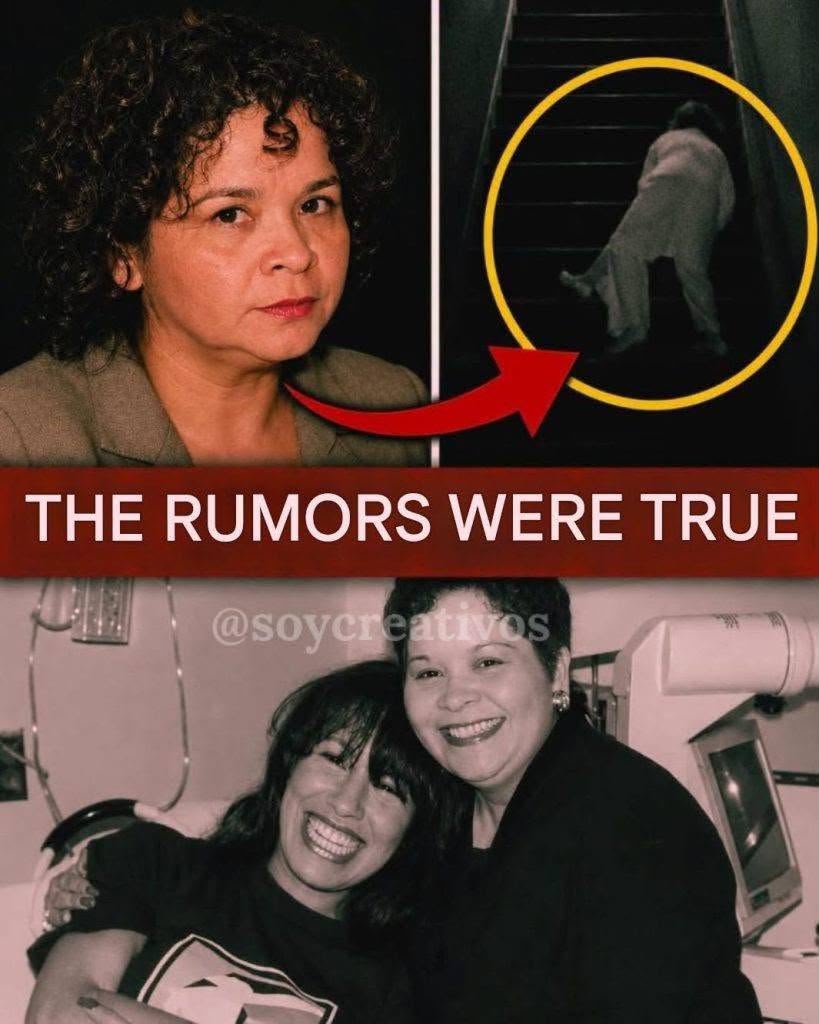
Sensational images and dramatic headlines regularly circulate across social media feeds, claiming to reveal shocking hidden truths behind classic movies, public figures, or famous pop culture events. A widely shared graphic featuring a woman, a grainy staircase frame, and the bold headline “THE RUMORS WERE TRUE” exemplifies classic internet viral storytelling.
These posts capitalize on the “curiosity gap”—combining mysterious imagery, red arrows, and dramatic text to encourage high engagement. In this article, we break down how pop culture urban legends spread, analyze famous movie set myths, explore the psychology of viral rumors, and offer practical tips for fact-checking internet claims.
1. Deconstructing the Viral Image: Curiosity and Clickbait Tactics
Social media graphics built around urban legends often share distinct visual features:
- Grainy, Circled Visuals: Highlighted circles and red arrows create an immediate sense of mystery, drawing the viewer’s eye to distorted or out-of-focus background details.
- Vague Emotional Headlines: Statements like “The Rumors Were True” or “They Tried to Hide This” evoke suspense without providing immediate factual context.
- Watermarks and Content Creators: Social media handles (such as
@soycreativos) often brand these images to gain followers and drive viral reshares across platforms.
2. Famous Movie Myths and Pop Culture Urban Legends
Cinema history is rich with urban legends that have captured public imagination for decades:
Classic Hollywood Myths:
- “Ghosts” on Set: Claims of mysterious figures appearing in the background of famous 1980s and 1990s films (such as Three Men and a Baby) often turn out to be cardboard promotional cutouts or crew members caught in mirror reflections.
- Cursed Film Sets: Elaborate stories surrounding production mishaps on classic horror films (like The Exorcist or Poltergeist) have been amplified over time through fan folklore and media sensationalism.
- Subliminal Background Details: Easter eggs left behind by set designers or prop master joke items frequently morph into viral internet mysteries decades later.
3. The Psychology Behind Viral Rumors and Internet Myths
Why do urban legends and unverified stories spread so rapidly on digital platforms?
- Emotional Triggering: Curiosity, surprise, and mild fear activate high-arousal emotional responses, making users more likely to comment or share.
- Confirmation and Novelty Bias: People are naturally drawn to novel explanations that challenge mundane reality, offering an exciting secret “behind-the-scenes” narrative.
- Algorithmic Amplification: Social media algorithms prioritize posts that generate rapid interaction—such as debates in the comment section—regardless of whether the content is factually accurate.
4. How to Fact-Check Internet Myths and Pop Culture Claims
Before accepting or sharing viral stories online, apply these simple media literacy steps:
- Use Reverse Image Searching: Trace the original source of background photos or screenshots to identify their true context.
- Consult Archive and Fact-Checking Databases: Established sites like Snopes or dedicated pop culture archives regularly document and debunk movie urban legends.
- Check Official Production Records: Cast lists, director commentary tracks, and official Behind-The-Scenes documentaries provide verifiable insights into movie set history.
Fascinating Facts About Film Sets and Urban Legends
- The Cardboard Cutout Legend: The famous “ghost boy” urban legend in Three Men and a Baby was actually a promotional cardboard cutout of actor Ted Danson’s character wearing a top hat!
- The Power of Word of Mouth: Before the internet, urban legends relied on playground chatter, late-night radio shows, and fan magazines to spread globally over months or years.
- Intentional Easter Eggs: Modern filmmakers frequently hide subtle references, hidden codes, or cameo appearances specifically for eagle-eyed fans to discover and analyze online.
Frequently Asked Questions (FAQ)
Are most background “ghosts” in movies real?
No. In virtually every instance, purported background apparitions in classic films are revealed to be props, reflections, lighting artifacts, stand-ins, or crew members inadvertently captured during filming.
Why do internet graphics use red circles and arrows?
Bright red arrows and circles create visual urgency and focus the viewer’s attention on specific details, significantly increasing click-through rates and user engagement.
How can I verify if a viral movie rumor is true?
Look up official interviews with the film’s director, cast, or crew, or check reputable media archives and fact-checking platforms dedicated to film trivia.
Conclusion
Viral posts promising that “the rumors were true” leverage mysterious visuals and dramatic phrasing to capture attention in crowded social feeds. By applying critical thinking, reverse image searches, and relying on verified entertainment archives, you can separate internet folklore from genuine pop culture history.
