
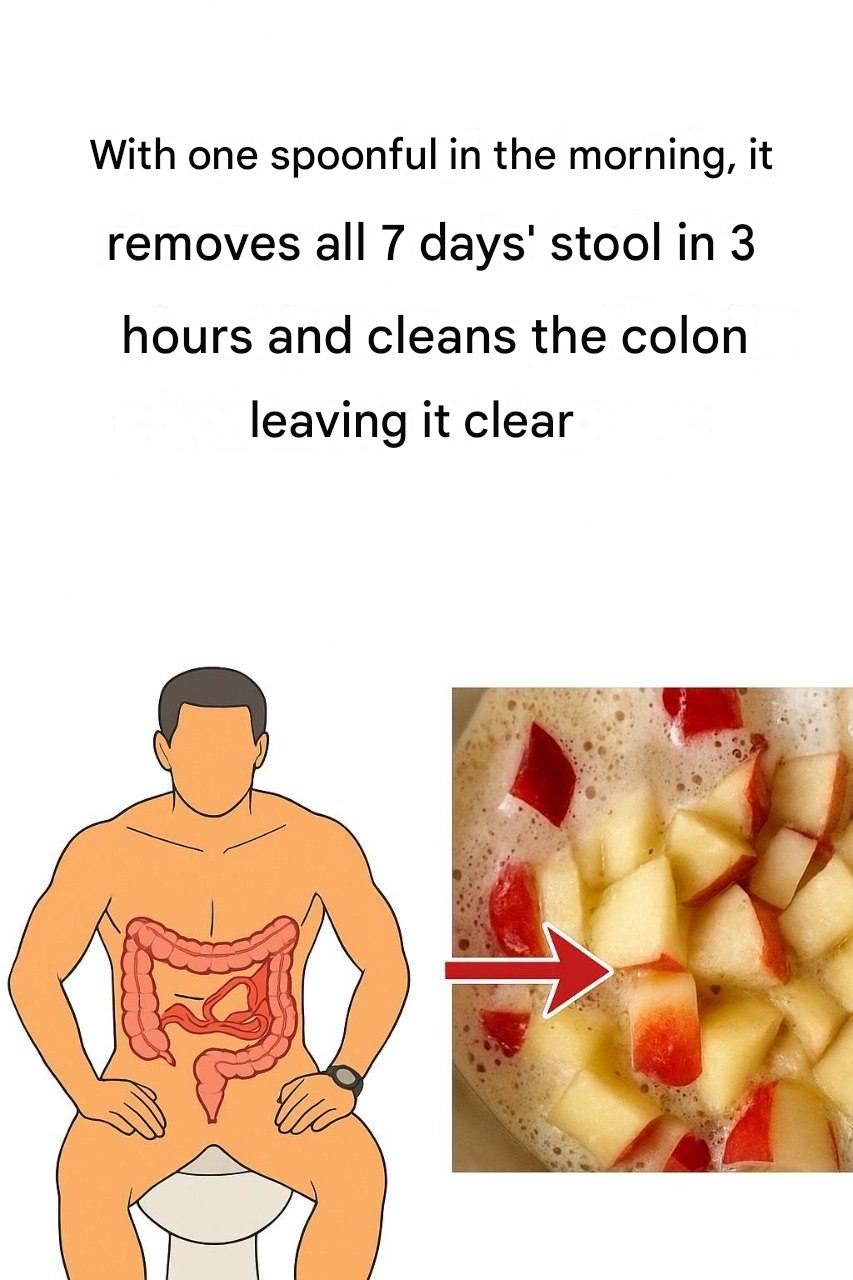
In our fast-paced modern lives, maintaining optimal digestive health is often overlooked until discomfort or sluggishness forces us to pay attention. Between managing professional careers, family obligations, and busy daily routines, our digestive systems bear the brunt of processed foods, irregular meal times, and a lack of sufficient dietary fiber. For millions of people, finding natural, effective ways to support gut motility, improve regularity, and maintain a clean, healthy digestive tract is a top priority for overall wellness.
Understanding how the colon functions and learning how to incorporate nutrient-dense, fiber-rich foods into your morning routine can dramatically impact your energy, metabolism, and long-term health. Whether you are aiming to enhance your vitality, support your immune system, or secure a healthy, active retirement, mastering the basics of digestive wellness is essential.
This comprehensive guide explores the science of colon health, the vital role of dietary fiber, the impact of hydration, and practical daily habits to keep your digestive system running smoothly.
The Anatomy and Function of the Colon
To appreciate the importance of digestive care, it helps to understand what the colon does. The colon, or large intestine, is the final section of the digestive tract. Its primary responsibilities are absorbing water and electrolytes from remaining indigestible food matter and compacting waste products into stool for elimination.
When digestion is compromised—often due to low fiber intake, dehydration, or a sedentary lifestyle—waste transit times can slow down. This sluggishness can lead to uncomfortable bloating, sluggishness, and irregular bowel movements. Maintaining a healthy, active colon requires a balanced approach centered on nutrition, hydration, and physical activity.
The Power of Dietary Fiber: Soluble vs. Insoluble
Fiber is the unsung hero of digestive health. Found exclusively in plant foods—such as fruits, vegetables, whole grains, nuts, and seeds—fiber is divided into two distinct categories, each serving a unique purpose.
Soluble Fiber
Soluble fiber dissolves in water to form a gel-like substance. It helps slow down digestion, allowing your body to absorb nutrients more effectively while assisting in the regulation of blood sugar and cholesterol levels. Excellent sources include oats, chia seeds, apples, and beans.
Insoluble Fiber
Insoluble fiber does not dissolve in water; instead, it adds bulk to your stool and accelerates the passage of food through the digestive tract. This sweeping action promotes regular bowel movements and prevents sluggish transit times. Whole grains, wheat bran, and the skins of fruits and vegetables are rich in insoluble fiber.
Combining both types of fiber in a balanced morning meal is one of the most effective ways to support optimal colon health.
The Role of Hydration in Digestive Efficiency
Even the highest-fiber diet will fall short if you are not properly hydrated. Water is the vehicle that allows fiber to do its job effectively.
When fiber mixes with adequate fluid in the digestive tract, it swells and softens the stool, ensuring smooth, comfortable transit. Without sufficient water, high-fiber intake can have the opposite effect, leading to cramping or constipation. Starting your morning with a large glass of water is a simple, powerful habit that signals your digestive system to wake up and start moving.
Practical Tips for Daily Digestive Health
Optimizing your gut health does not require complicated cleanses or extreme measures. Consistent, everyday habits yield the best long-term results:
- Increase Fiber Gradually: If your current diet is low in fiber, introduce whole foods, fruits, and vegetables slowly over a couple of weeks to allow your digestive system to adapt comfortably.
- Prioritize Whole Foods: Swap out ultra-processed, refined snacks for whole fruits, vegetables, and whole grains that naturally contain high amounts of both soluble and insoluble fiber.
- Stay Hydrated Throughout the Day: Keep a water bottle nearby and sip water consistently from morning until night to support digestive lubrication and metabolic function.
- Engage in Regular Physical Activity: Movement stimulates the muscles of the gastrointestinal tract, promoting natural peristalsis and regular bowel movements. Even a brisk daily walk can make a significant difference.
Interesting Facts About the Human Digestive System
- Surface Area: Despite being housed within a compact abdominal space, the human small and large intestines possess an astonishing surface area, roughly the size of a tennis court, designed to maximize nutrient and water absorption.
- The Gut Microbiome: Trillions of beneficial microorganisms reside in your colon, playing a vital role not only in digestion but also in immune function, vitamin synthesis, and even mood regulation.
- Historical Remedies: Throughout history, various cultures have utilized fiber-rich plant mixtures, fermented foods, and herbal teas as natural remedies to support regularity and cleanse the body.
Conclusion
Your digestive health is the cornerstone of your overall well-being. By embracing a balanced lifestyle rich in dietary fiber, proper hydration, and consistent physical movement, you can support your body’s natural cleansing mechanisms and enjoy sustained energy throughout the day. Small, mindful changes to your morning routine can lead to profound, long-lasting improvements in your health and vitality.
FAQ Section
Q: How much fiber do I need each day? A: Health guidelines generally recommend a daily intake of about 25 to 30 grams of fiber from a variety of plant sources, though individual needs vary based on age, gender, and activity level.
Q: Can eating too much fiber cause digestive discomfort? A: Yes, if you dramatically increase your fiber intake overnight without increasing your water consumption, you may experience bloating, gas, or cramping. Introduce fiber gradually.
Q: Is it normal to experience changes in bowel habits when altering your diet? A: Minor adjustments are normal as your gut microbiome adapts to new nutrients. However, severe or persistent pain should always be evaluated by a medical professional.
Q: Does morning hydration really impact digestion? A: Absolutely. Drinking water upon waking helps rehydrate the body after sleep, stimulates gastrointestinal motility, and prepares the digestive tract for the day’s first meal.
Q: Are commercial colon cleanses necessary for good health? A: Medical experts generally agree that the human body is naturally equipped with its own highly efficient detoxification systems—primarily the liver, kidneys, and colon—making aggressive commercial cleanses unnecessary and potentially disruptive to gut flora.
Q: What are some easy ways to add more fiber to breakfast? A: You can easily boost morning fiber by adding fresh berries, ground flaxseeds, chia seeds, or a side of oatmeal to your breakfast routine.
