
Introduction
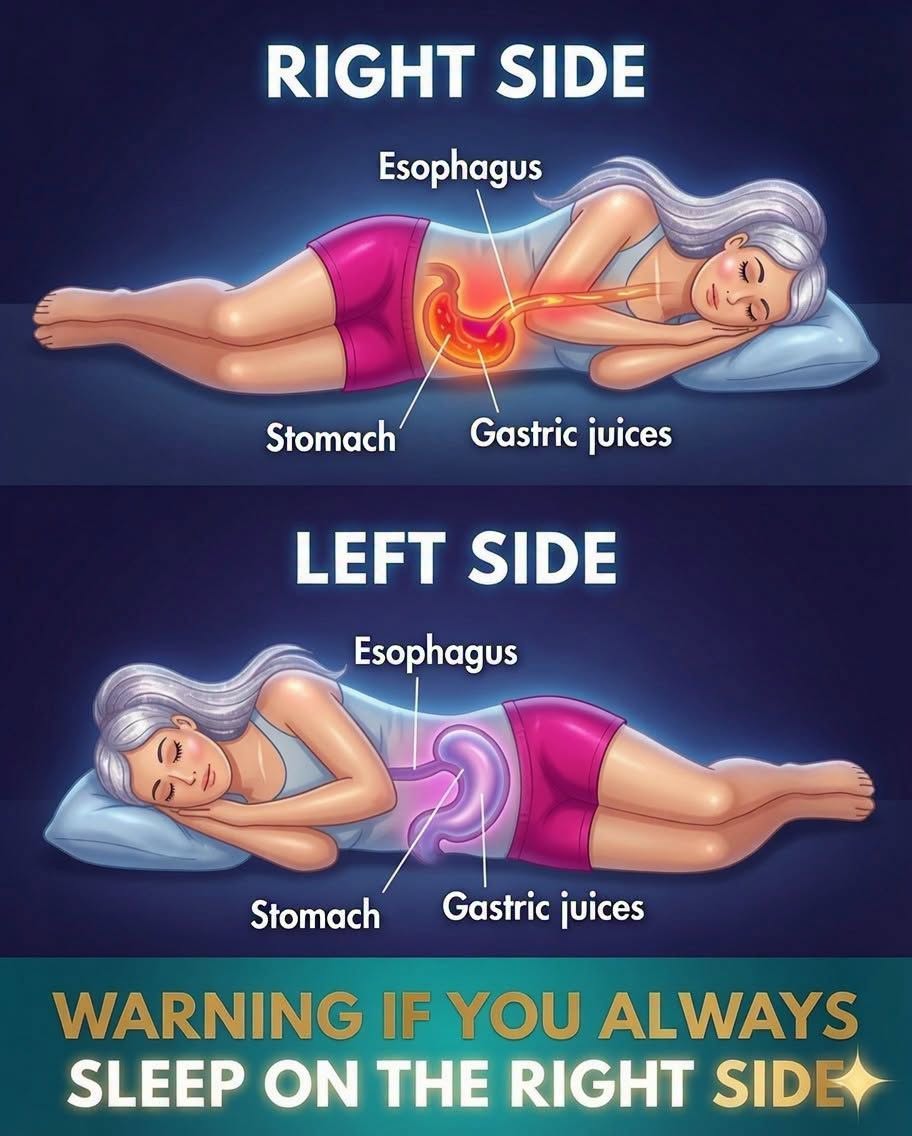
Health tips and anatomical graphics frequently circulate across social media, offering simple advice for improving daily wellness. When an engaging graphic appears online warning about the dangers of sleeping on your right side compared to your left side, it instantly catches the attention of readers looking to optimize their health.
Navigating sleep habits, understanding digestive physiology, and adopting healthy bedtime routines are essential parts of overall wellness. Furthermore, relying on established medical research rather than sensationalized internet warnings ensures safe and accurate health practices. This comprehensive guide explores sleep postures, digestive anatomy, and evidence-based sleep hygiene.
The Reality of Sleep Postures and Digestion: What Science Says
Human sleep postures vary naturally throughout the night based on comfort, joint health, and personal habit.
Why Viral Health Graphics Can Be Misleading
While viral posts use dramatic anatomical diagrams to suggest that sleeping on one specific side causes severe health issues or acid reflux, medical science shows that digestion and acid exposure depend on multiple factors, including diet, meal timing, and underlying health conditions like GERD. While left-side sleeping can sometimes help reduce acid reflux symptoms for certain individuals due to stomach geometry, blanket warnings about right-side sleeping oversimplify complex physiological processes.
The Importance of Balanced Wellness Habits
Maintaining long-term digestive and physical health relies on balanced nutrition, mindful meal timing, regular exercise, and professional medical guidance rather than relying solely on nighttime sleeping posture.
Practical Tips for Improving Sleep Quality and Digestion
Optimizing your nightly rest and supporting healthy digestion involves reliable, practical habits:
- Maintain Consistent Sleep Routines: Go to bed and wake up at the same time daily to support natural circadian rhythms.
- Watch Meal Timing: Avoid heavy meals, caffeine, or spicy foods right before bedtime to minimize nighttime digestive discomfort.
- Consult Healthcare Professionals: Speak with a doctor or sleep specialist if you experience chronic sleep disturbances or persistent acid reflux.
- Prioritize Physical Comfort: Choose pillows and mattresses that support proper spinal alignment regardless of your preferred sleeping side.
- Be Skeptical of Viral Health Warnings: Question dramatic online graphics that present complex medical conditions as having simple positional fixes.
Interesting Facts About Sleep Ergonomics and Anatomy
- Anatomical studies show that the stomach’s natural curvature means gravity can influence gastric acid flow differently depending on whether a person sleeps on their left or right side.
- Most people naturally shift positions multiple times throughout a single night, meaning very few individuals stay locked in one posture until morning.
- Social media engagement thrives on health-related warnings because they tap into universal desires for longevity and self-improvement.
- Sleep hygiene recommendations emphasize comfort and individual variability over rigid rules for sleeping positions.
Conclusion
While viral social media posts use striking health graphics to drive online engagement, understanding wellness and digestion relies on medical science, professional guidance, and balanced habits rather than internet warnings. By prioritizing evidence-based health practices, you can ensure a safer and more restful routine. Relying on verified medicine guarantees true wellness.
Frequently Asked Questions (FAQ)
Is it really bad to sleep on your right side?
No, sleeping on your right side is safe and comfortable for many people; however, individuals with specific conditions like GERD sometimes find relief by sleeping on their left side.
Why do health-related infographics go viral online?
They touch on universal health concerns, making them compelling and easily shareable content for users looking to improve their well-being.
What is the best sleeping position for digestion?
For individuals struggling with acid reflux, sleeping on the left side or elevating the upper body is often recommended by physicians.
When should I consult a doctor about sleep or digestive issues?
You should seek professional medical advice if sleep problems or digestive discomfort persist, disrupt your daily life, or worsen over time.
