
Introduction
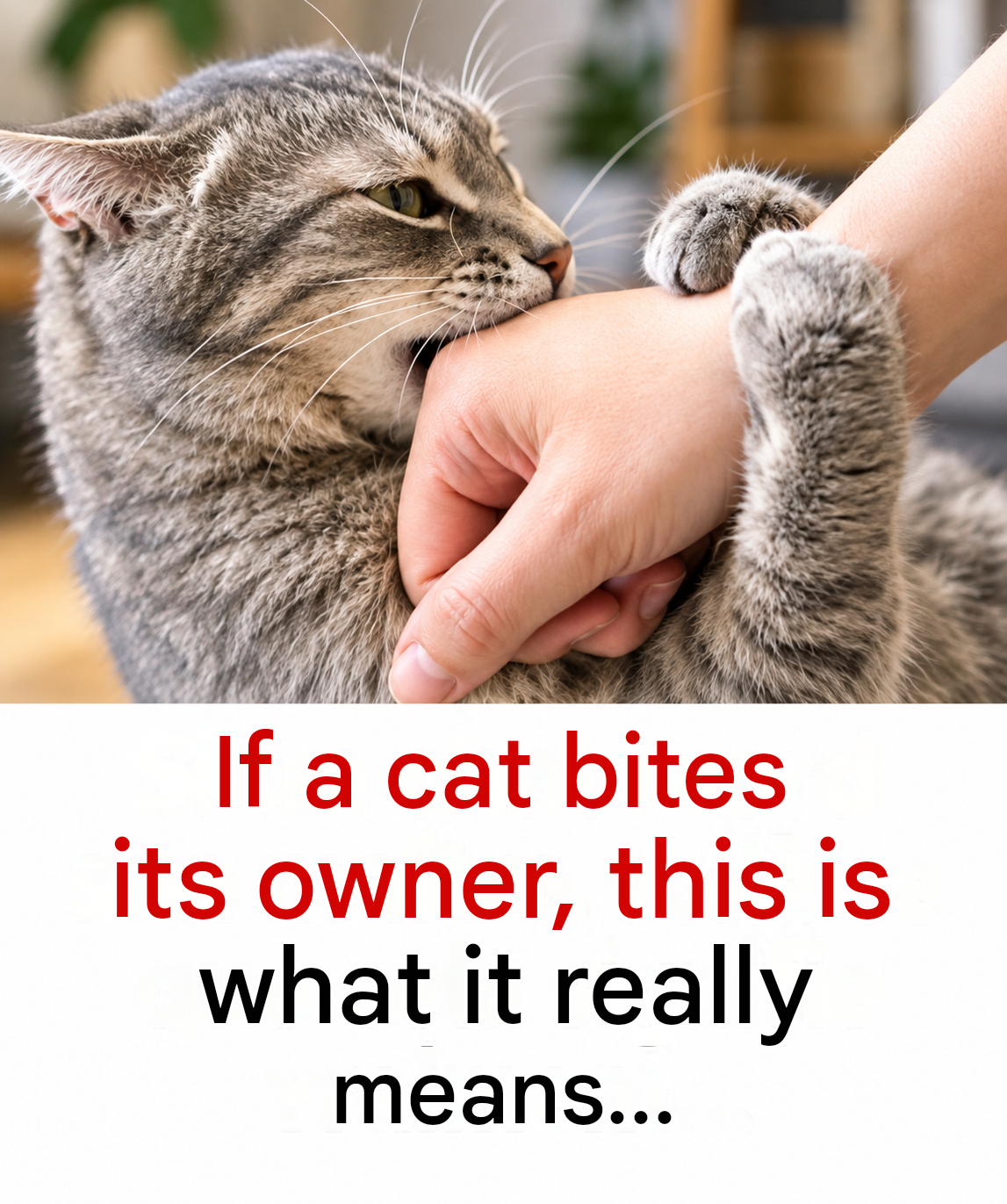
Cats are famously independent, mysterious, and full of surprising quirks. Anyone who has shared their home with a feline companion knows the sudden switch from gentle purring and affectionate headbutts to a sharp nip on the hand. While these playful or unexpected bites can catch owners off guard, they are a vital form of feline communication.
Understanding why cats bite their humans helps strengthen the bond between pet and owner, prevents misunderstandings, and ensures a harmonious household. Let’s explore the real reasons behind this common cat behavior and what your feline friend is trying to tell you.
The Psychology of Feline Communication and Body Language
Cats do not use human words to express their feelings, so they rely entirely on body language, vocalizations, and physical touch to convey their boundaries and desires.
Why Cats NIP or Bite
- Overstimulation: Gentle petting can quickly trigger sensory overload, causing a cat to bite as a clear signal that they have had enough attention.
- Play Aggression: Kittens and young cats often practice hunting instincts on human hands and feet if they lack sufficient interactive toys.
- Teething and Discomfort: Just like human babies, young cats experience dental discomfort, while older cats may bite if they are experiencing hidden joint pain or illness.
Pet Health, Veterinary Care, and Responsible Ownership
Keeping your cat happy and healthy requires regular veterinary checkups, proper stimulation, and awareness of animal welfare standards.
Essential Pet Care Strategies
- Interactive Playtime: Provide wand toys, puzzle feeders, and scratching posts to give your cat a healthy outlet for their natural hunting instincts.
- Respecting Boundaries: Learn to recognize early signs of overstimulation, such as tail twitching, flattened ears, or skin rippling, and stop petting immediately.
- Veterinary Checkups: If your cat exhibits sudden, aggressive biting behavior out of nowhere, consult a veterinarian to rule out underlying medical issues or pain.
Interesting Facts About Domestic Cats
The history and biology of our feline companions are full of fascinating scientific trivia:
- Domestication History: Cats domesticated themselves roughly 10,000 years ago in the Near East by hanging around agricultural settlements to hunt mice and rodents.
- Sensory Receptors: A cat’s skin—especially around their paws, tail, and belly—is exceptionally sensitive, which explains why prolonged petting can easily overwhelm them.
- Purring Mysteries: While purring usually indicates happiness, cats also purr to self-soothe when they are stressed, frightened, or in pain.
Practical Tips for Managing and Preventing Cat Bites
If your cat has a habit of biting during play or petting sessions, use these practical steps to correct the behavior:
- Never Use Hands as Toys: Always use toys like feather wands or balls to play with your cat so they never learn to view your hands as prey.
- Walk Away Calmly: If your cat bites during petting, immediately stop moving, avoid yelling, and walk away to discourage the behavior.
- Provide Enrichment: Keep your cat mentally and physically stimulated with interactive play sessions every day to burn off excess energy.
Conclusion
When a cat bites its owner, it is rarely an act of unprovoked malice; rather, it is a communication tool signaling boundaries, overstimulation, or a need for play. By learning to read your cat’s body language and respecting their limits, you can foster a loving, stress-free relationship with your furry friend.
FAQ Section
Why do cats suddenly bite when you are petting them?
This is usually a sign of petting-induced overstimulation, meaning their sensitive skin has had enough contact and they want you to stop.
How can I stop my cat from biting my hands?
Avoid using your hands during play, use toys to redirect their energy, and stop interacting immediately if they become too rough.
Are cat bites dangerous?
Yes, cat mouths carry bacteria, so any bite that breaks the skin should be washed thoroughly with soap and water, and medical attention should be sought if signs of infection appear.
Do cats bite out of affection?
Sometimes cats give “love bites”—gentle, inhibited nibbles that do not break the skin and are meant as a sign of affection rather than aggression
