
Introduction
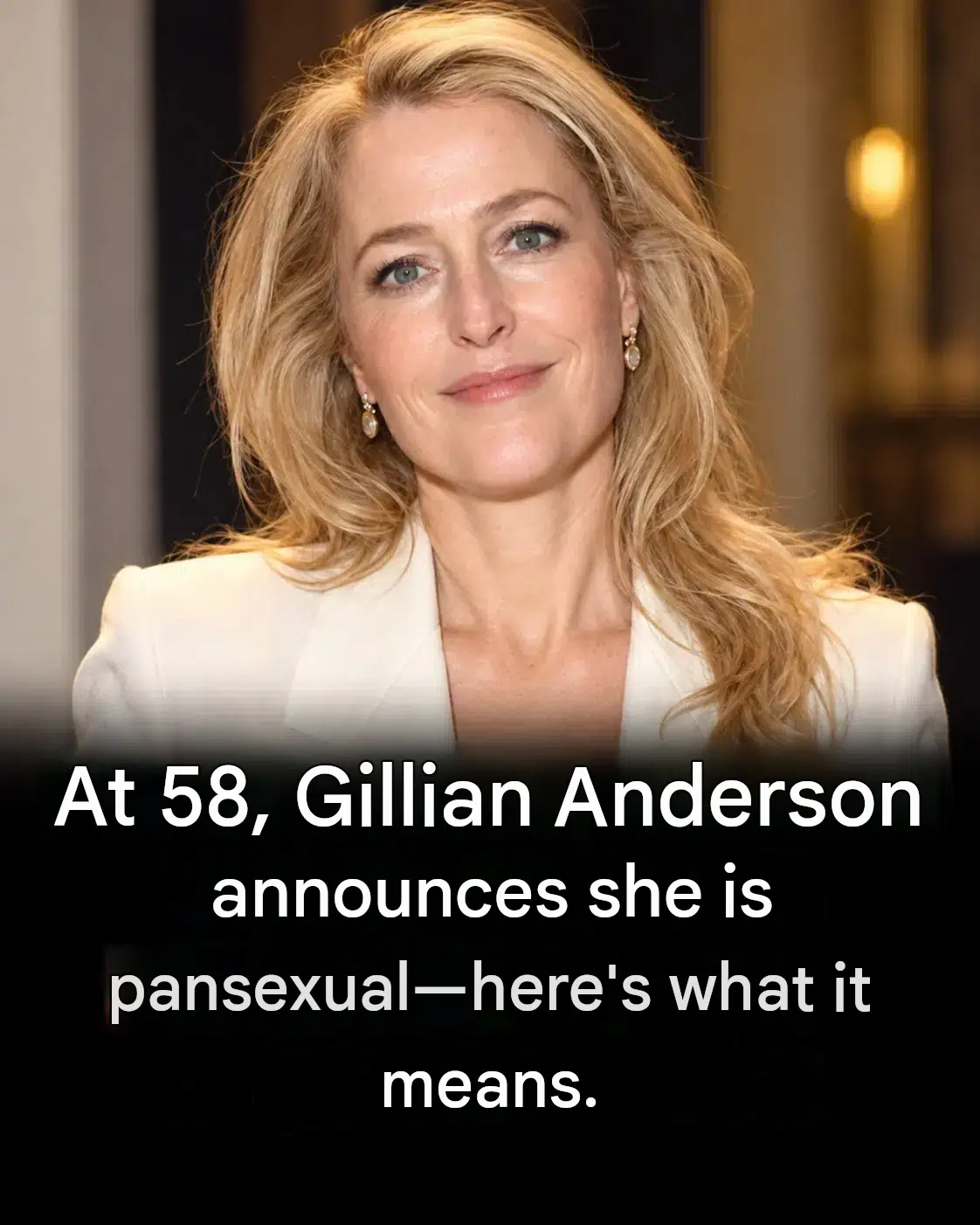
Celebrity announcements often bring important social discussions into the mainstream media, sparking public curiosity and educational conversations. Recently, acclaimed award-winning actress Gillian Anderson, widely known for her iconic roles in The X-Files, The Crown, and Sex Education, made headlines by discussing her identity and openly embracing the label of pansexuality.
For many readers, public declarations of this nature prompt questions about identity, terminology, and human relationships. Exploring what pansexuality means provides an opportunity to foster greater understanding, inclusivity, and awareness regarding diverse human experiences.
Defining Pansexuality in Modern Society
Human romantic and sexual attraction exists on a broad, nuanced spectrum. Understanding various orientations helps build a more empathetic and well-informed society.
Key Aspects of Pansexuality
- Definition of Attraction: Pansexuality refers to romantic, emotional, or sexual attraction to people regardless of their sex, gender identity, or biological sex.
- Distinction from Bisexuality: While bisexuality generally denotes attraction to more than one gender, pansexuality emphasizes that gender is not a determining factor in attraction.
- The “Heart Over Gender” Concept: Many pansexual individuals describe their attraction as being focused on a person’s character, personality, and soul rather than their gender presentation.
Identity, Mental Wellness, and Personal Acceptance
Embracing one’s authentic identity later in life or discussing personal truths openly is a powerful step toward emotional wellness and self-acceptance.
The Importance of Authenticity
- Self-Discovery Across Decades: Personal growth is an ongoing journey, and individuals often gain deeper self-awareness and confidence as they move through different stages of life.
- Mental Health Benefits: Living authentically and releasing the pressure to conform to societal expectations significantly reduces stress and enhances overall happiness.
- Supportive Communities: Open conversations by public figures help normalize diverse identities, providing comfort and validation to others navigating similar journeys.
Interesting Facts About Language and LGBTQ+ Culture
The terminology surrounding human identity and sexuality has evolved significantly over time:
- Etymology of Pan: The prefix “pan-” comes from Greek, meaning “all” or “every,” accurately reflecting that attraction encompasses individuals across the entire gender spectrum.
- Increased Visibility: Modern media, psychological research, and public figures have greatly increased public awareness and understanding of lesser-known sexual orientations.
- The Evolution of Labels: Language continues to adapt as society finds more precise and inclusive ways to describe human feelings and relationships.
Practical Tips for Inclusivity and Respect
Fostering a welcoming and respectful environment in your personal and professional life involves simple, mindful habits:
- Educate Yourself: Take the initiative to learn about different identities and terminology rather than relying on others to explain them.
- Respect Pronouns and Labels: Always honor how individuals choose to identify and refer to themselves.
- Listen with Empathy: Approach conversations about personal identity with an open mind, kindness, and a willingness to understand.
Conclusion
Gillian Anderson’s openness regarding her identity highlights the ongoing evolution of how we discuss love, attraction, and personal authenticity. By taking the time to understand terms like pansexuality, we build a more inclusive, empathetic, and connected society where everyone’s unique journey is respected.
FAQ Section
What does pansexual mean?
Pansexuality describes experiencing romantic, emotional, or sexual attraction to people regardless of their gender identity or biological sex.
How is pansexuality different from pangender?
Pansexuality relates to who you are attracted to, whereas pangender refers to an individual’s personal gender identity spanning multiple or all genders.
Why do celebrity announcements about identity matter?
They bring important social topics into mainstream conversations, increasing visibility, education, and support for marginalized or misunderstood groups.
How can I be a better ally to the LGBTQ+ community?
You can practice allyship by educating yourself, respecting individual pronouns and labels, listening with empathy, and speaking out against discrimination.
