
Introduction
Daily household habits often go entirely unquestioned. From the way we load the dishwasher to how we clean our floors, routine actions become second nature over time. One area where habits are deeply ingrained is bathroom etiquette, particularly when it comes to flushing the toilet.
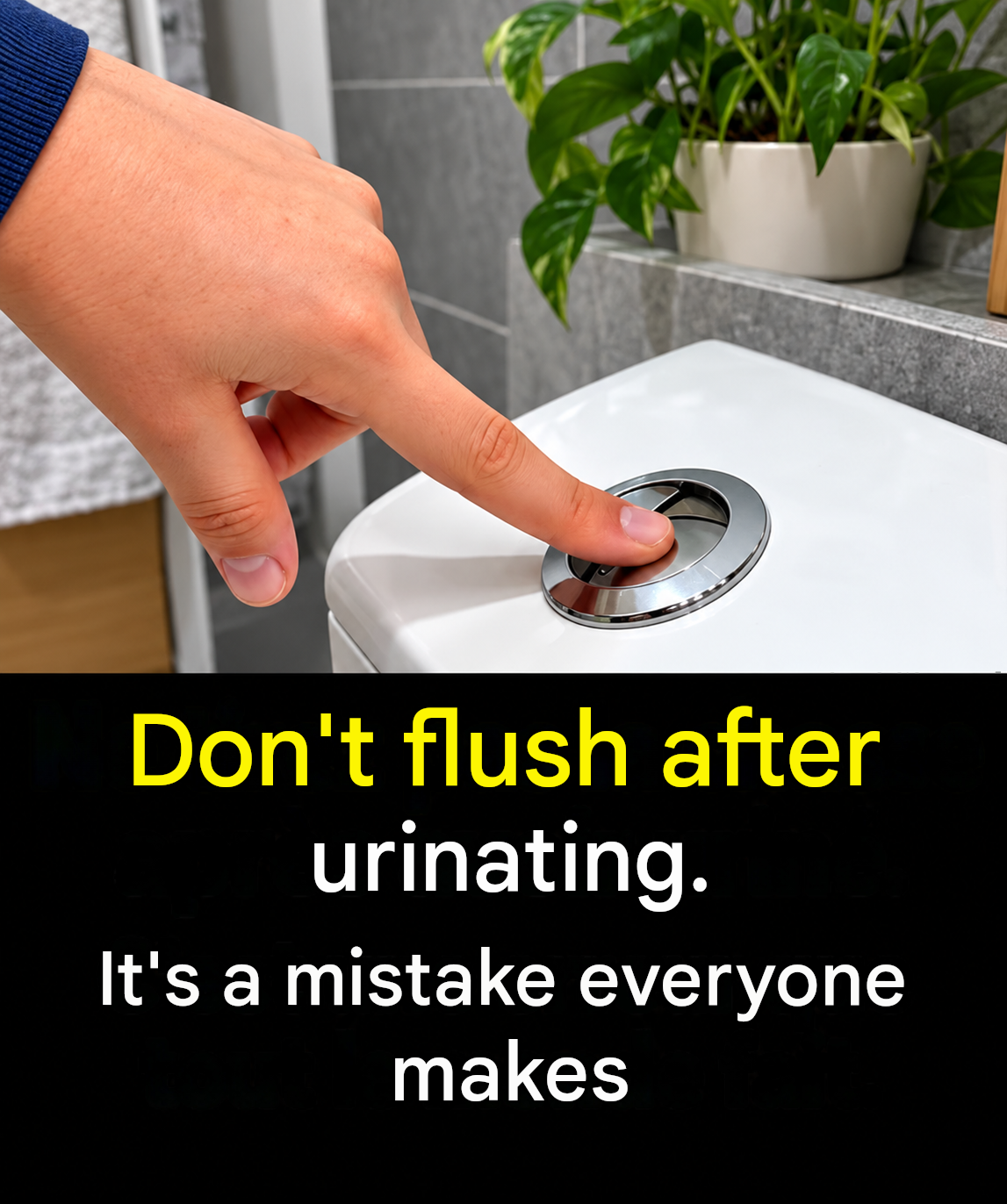
A viral topic currently making waves online suggests that flushing after every single trip to the restroom might be a mistake. Balancing personal hygiene, home plumbing, and environmental sustainability has sparked widespread debate about water usage and conservation habits. Exploring the reasons behind this debate sheds light on how small daily routines impact our water bills and environmental footprint.
The Science of Water Conservation and Household Usage
Water scarcity and rising utility costs have made sustainable household practices more important than ever. Understanding how much water traditional plumbing systems consume helps put the flushing debate into perspective.
Key Factors in Household Water Management
- High-Volume Gallons: Traditional older toilets can use up to 3 to 5 gallons of water per flush, while modern high-efficiency models use around 1.28 gallons or less.
- Cumulative Daily Impact: For an average household, bathroom flushes account for a massive percentage of total indoor water consumption every single day.
- The “If It’s Yellow, Let It Mellow” Principle: Historically, water-saving initiatives have promoted intermittent flushing for liquid waste to significantly reduce overall municipal water waste.
Plumbing Health, Hygiene, and Environmental Balance
While conserving water is a priority, homeowners must also weigh hygiene standards, sanitation, and the proper maintenance of indoor plumbing systems.
Balancing Sustainability and Sanitation
- Preventing Mineral Buildup: Regular water flow helps prevent stagnation and mineral crystallization in older plumbing pipes, though normal daily use usually provides sufficient flow.
- Hygiene and Odor Control: Modern bathrooms prioritize cleanliness and odor management, making continuous flushing the standard social practice for most households and public spaces.
- Eco-Friendly Alternatives: Utilizing dual-flush toilets—which offer a smaller half-flush for liquid waste—provides a balanced compromise between water conservation and sanitary standards.
Interesting Facts About Toilets and Water Systems
The history and engineering of modern sanitation systems are filled with fascinating milestones:
- The Invention of the Flush Toilet: The modern flushing valve mechanism was invented by Sir John Harington in 1596 for Queen Elizabeth I, though it took centuries to become widely adopted.
- Global Water Statistics: According to environmental organizations, toilet flushing accounts for nearly 30% of average indoor residential water use in developed countries.
- Dual-Flush Innovation: Developed in Australia, dual-flush technology has saved billions of gallons of water worldwide by giving users control over water volume per use.
Practical Tips for Saving Water in Your Bathroom
If you want to reduce your household water consumption without compromising on cleanliness and comfort, consider these practical steps:
- Install a Dual-Flush Converter: Upgrade older toilets with a dual-flush conversion kit to easily manage water volume for liquid versus solid waste.
- Check for Silent Leaks: Place a few drops of food coloring in your toilet tank; if color seeps into the bowl without flushing, you have a leak wasting water.
- Adopt Water-Smart Habits: Be mindful of running taps during handwashing or teeth brushing to maximize overall water efficiency in your home.
Conclusion
The debate over bathroom flushing highlights the ongoing challenge of balancing water conservation with daily household hygiene. While continuous flushing remains the standard for maintaining pristine sanitation, adopting water-smart habits like using dual-flush systems or being mindful of utility waste helps protect both the environment and your monthly budget.
FAQ Section
Why do some people suggest not flushing after urinating?
The practice is primarily advocated as a water-saving measure to reduce the high volume of clean treated water consumed by daily toilet flushes.
How much water does a standard toilet use?
Standard older toilets use about 3 to 5 gallons per flush, whereas modern water-efficient models typically use 1.28 gallons or less.
What is a dual-flush toilet?
A dual-flush toilet features two buttons or handles, offering a lower-volume flush for liquid waste and a full-volume flush for solid waste.
Are there hygiene concerns with intermittent flushing?
Yes, leaving liquid waste sitting can lead to odor and mineral buildup over time, which is why most modern households prefer consistent flushing or regular bowl cleaning.
