
Introduction
Air travel has become an everyday part of modern life for millions of people around the globe. Whether you are a frequent flyer or take a vacation once a year, boarding an airplane feels familiar. However, behind the scenes, commercial aviation is governed by rigorous safety protocols, specialized training procedures, and strict operational routines that passengers rarely get to see.
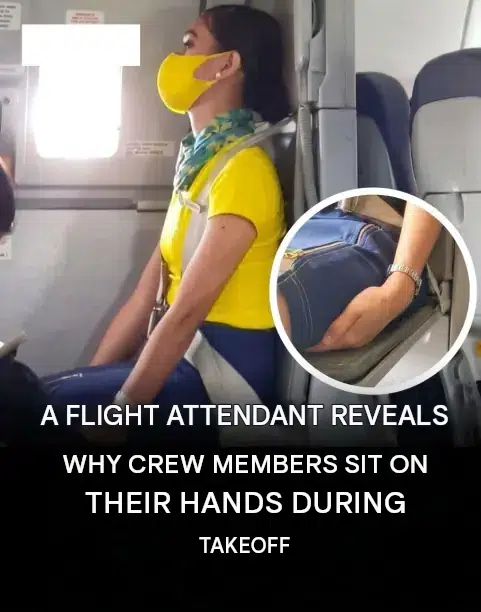
A viral aviation secret currently capturing attention online explains a curious habit observed among cabin crews: why flight attendants sit on their hands during takeoff and landing. Exploring this fascinating protocol reveals the intense safety measures and emergency preparations that protect both crew and passengers in the skies.
The Science of Aviation Safety and Emergency Preparedness
Commercial aviation maintains an exceptionally high safety record due to continuous training, standardized emergency drills, and strict adherence to protocol by flight crews.
Key Aspects of Cabin Safety Protocols
- The “Brace” Position: Flight attendants undergo rigorous training to prepare their bodies for potential sudden deceleration, turbulence, or impact during critical phases of flight.
- Minimizing Injury Risks: By sliding their hands underneath their thighs or sitting on them, crew members keep their arms and hands secure, preventing them from flailing or striking nearby cabin fixtures during a sudden jolt.
- The Silent Review: During takeoff and landing, flight attendants often perform a mental “silent review,” mentally rehearsing emergency evacuation procedures, door operations, and command structures.
Aviation Regulations, Training, and Crew Responsibilities
Ensuring passenger safety requires immense physical readiness, split-second decision-making, and adherence to international aviation standards.
Essential Crew Duties
- Rigorous Emergency Training: Flight attendants spend weeks mastering emergency water landings, fire suppression, rapid evacuations, and defensive positioning.
- The Critical Phases: Takeoff and the initial climb, as well as final approach and landing, are statistically the most critical phases of any flight, requiring absolute focus from the crew.
- Protecting Mobility: Securing the hands ensures that if an unexpected impact occurs, the crew’s hands and wrists remain uninjured, allowing them to instantly open emergency exits and guide passengers to safety.
Interesting Facts About Aviation History and Cabin Protocols
The history of flight attendant training and in-flight safety features many remarkable milestones:
- Origins of Cabin Crew: The profession began in the 1930s, originally staffed by registered nurses to reassure nervous passengers and assist with medical needs.
- The Evolution of Safety Briefings: Mandatory pre-flight safety demonstrations became standardized globally to ensure every passenger understands emergency exits and equipment.
- The “Brace for Impact” Command: Standardized emergency commands were developed through decades of crash-investigation data to maximize human survival rates during accidents.
Practical Tips for Nervous Flyers and Air Travel Safety
If you want to feel more confident and secure during your next commercial flight, keep these helpful travel practices in mind:
- Always Keep Your Seatbelt Fastened: Keep your seatbelt securely buckled low and tight across your hips whenever you are seated, even if the fasten-seatbelt sign is turned off.
- Pay Attention to the Safety Briefing: Take a moment to locate your nearest emergency exit row and review the safety card in the seat pocket ahead of you.
- Stay Calm During Turbulence: Trust in the extensive training of your flight crew and pilots, who are thoroughly prepared to handle all weather and flight conditions.
Conclusion
The intriguing habit of flight attendants sitting on their hands during takeoff and landing is far more than an unusual quirk—it is a vital safety procedure designed to protect crew members from injury during critical moments. By understanding the deep-rooted protocols behind commercial aviation, passengers can gain an even greater appreciation for the dedicated professionals working to keep the skies safe.
FAQ Section
Why do flight attendants sit on their hands during takeoff?
They sit on their hands to keep their arms and fingers secure and protected from flailing or hitting cabin structures in the event of sudden turbulence or a hard landing.
What is a “silent review” during flight operations?
It is a mental drill performed by flight attendants during takeoff and landing where they rehearse emergency evacuation steps and door operation procedures.
Are takeoff and landing really the most dangerous parts of a flight?
Aviation safety data shows that the majority of aviation incidents occur during the takeoff and landing phases, which is why strict safety rules are enforced during these times.
What else do flight attendants prepare for during emergency training?
Flight crews undergo rigorous training covering rapid evacuations, fire fighting, ditching procedures, first aid, and cabin crowd control.
