
Introduction
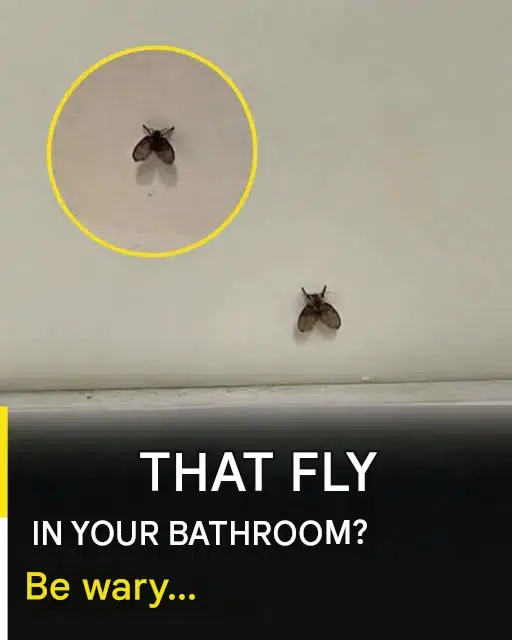
Home maintenance is an ongoing project, and homeowners frequently encounter unexpected pests around the house. From pantry moths to fruit flies, dealing with household insects is a common nuisance. However, spotting small, fuzzy, moth-like bugs clinging to your bathroom walls or shower tiles can be particularly baffling.
A viral home and pest control topic currently capturing attention online warns homeowners to be wary of the small flies often found in bathrooms. Exploring what these insects are, where they come from, and how to effectively manage them helps keep your living spaces clean, hygienic, and pest-free.
The Biology and Behavior of Drain Flies
Understanding the life cycle and habits of pests is the first step toward effective household management and prevention.
Key Characteristics of Drain Flies
- Identification: Drain flies (often called moth flies or filter flies) are tiny, dark insects covered in fine hair, giving them a fuzzy appearance resembling miniature moths.
- Breeding Habitats: These insects thrive in damp, organic sludge found inside household drain pipes, garbage disposals, and uncleaned overflow openings.
- Harmless Yet Annoying: While adult drain flies do not bite or transmit diseases to humans, a heavy infestation indicates underlying plumbing organic buildup that requires attention.
Home Maintenance, Plumbing, and Pest Control
Managing moisture and maintaining clean plumbing lines are essential for preventing pest infestations in moisture-prone areas like bathrooms and kitchens.
Essential Prevention Strategies
- Deep Cleaning Drains: Regularly scrubbing drain pipes with specialized brushes and eco-friendly enzymatic cleaners removes the organic film where larvae feed and develop.
- Controlling Excess Moisture: Using bathroom exhaust fans and fixing leaking pipes reduces the humidity levels that attract various household pests.
- Avoiding Harsh Chemicals: Instead of pouring toxic chemicals down your pipes, use mechanical cleaning or boiling water combined with biological cleaners to clear buildup safely.
Interesting Facts About Household Pests
The world of indoor entomology and home sanitation features many fascinating details:
- Incredible Resilience: Drain fly larvae can survive in oxygen-depleted environments and are protected by the gelatinous biofilm found inside neglected pipes.
- Poor Fliers: Adult drain flies are weak fliers and typically only hop short distances from wall to wall, making them easy to spot near breeding sites.
- Global Presence: Drain flies are found worldwide in residential, commercial, and industrial plumbing systems wherever moisture and organic matter accumulate.
Practical Tips for Keeping Your Bathroom Pest-Free
If you notice drain flies buzzing around your bathroom or shower, follow these practical steps to clear them out:
- Inspect Your Pipes: Check all bathroom and kitchen sinks to identify which drain might be hosting the breeding colony.
- Use the Tape Test: Place a piece of clear tape loosely over a drain overnight; if flies are trapped on the sticky side by morning, you have confirmed their breeding source.
- Maintain Regular Cleanups: Flush your drains weekly with hot water and baking soda to prevent organic buildup from returning.
Conclusion
Finding tiny flies in your bathroom can be unsettling, but understanding that they are harmless drain flies makes the problem much easier to solve. By focusing on deep-cleaning your plumbing lines, controlling bathroom moisture, and maintaining consistent home hygiene, you can easily banish these unwanted guests and keep your home fresh.
FAQ Section
What are the tiny flies found in bathrooms?
They are commonly known as drain flies, moth flies, or filter flies, which thrive in the organic sludge inside damp plumbing pipes.
Do drain flies bite or carry diseases?
No, adult drain flies do not bite humans and are not known to transmit diseases, though large numbers can become a significant nuisance.
Where do drain flies lay their eggs?
They lay their eggs directly inside the gelatinous biofilm or organic slime that accumulates inside neglected drain pipes and overflows.
What is the best way to get rid of drain flies?
The most effective method is thoroughly cleaning the affected drain pipe with a stiff pipe brush and enzymatic cleaner to remove their food source and breeding ground.
