
Introduction
Medical science continues to reveal complex relationships between our bodies, our environment, and the various microorganisms that surround us. While many bacteria and viruses are harmless or even beneficial, public health research demonstrates that certain infections can have profound, long-term consequences for human health.
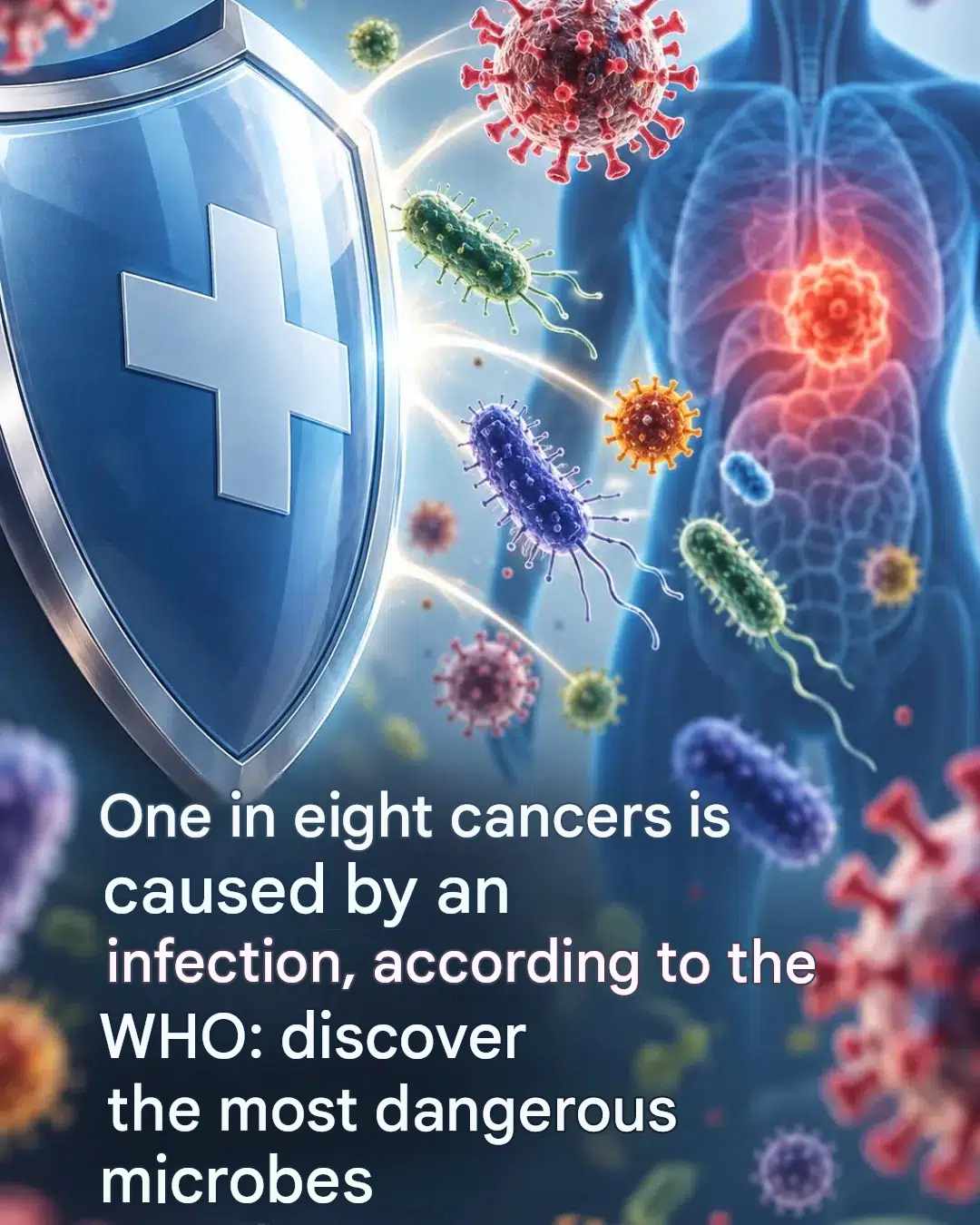
A striking health statistic currently circulating online highlights a World Health Organization (WHO) finding: approximately one in eight cancers worldwide is caused by an infection. Exploring the connection between oncogenic microbes, immune defense, and preventative healthcare offers vital insights into modern oncology and disease prevention.
The Science of Infectious Pathogens and Cellular Changes
Understanding how specific microbes can trigger cancerous transformations requires a look into microbiology, immunology, and cellular biology.
Key Mechanisms of Infection-Linked Cancers
- Chronic Inflammation: Persistent infections cause long-term inflammation, which can damage cellular DNA and create an environment favorable for tumor development.
- Direct Genetic Alteration: Certain viruses can integrate their genetic material directly into host cells, disrupting normal cell cycle regulation and division.
- Immune System Suppression: Some chronic pathogens weaken or evade the body’s natural immune surveillance, allowing abnormal cells to grow unchecked.
Major Microbes Associated with Cancer Risk
Public health agencies closely monitor several specific viruses and bacteria known to elevate the risk of developing particular types of cancer.
Notable Oncogenic Microbes
- Human Papillomavirus (HPV): Responsible for the vast majority of cervical cancers, as well as several throat, anal, and genital cancers, HPV is preventable through routine vaccination.
- Hepatitis B and C: These blood-borne and bodily fluid viruses cause chronic liver infections that can progress to cirrhosis and liver cancer over time.
- Helicobacter Pylori: A common bacterial infection of the stomach lining that, if left untreated, significantly increases the risk of peptic ulcers and gastric cancer.
Interesting Facts About Global Public Health and Microbes
The study of infectious diseases and their long-term health impacts features many remarkable historical and scientific milestones:
- Preventative Vaccines: The development of vaccines targeting high-risk pathogens like HPV and Hepatitis B represents one of the greatest triumphs in modern cancer prevention.
- Global Burden: According to international health organizations, millions of cancer cases diagnosed globally each year are attributable to infectious agents.
- Early Detection: Routine screenings, such as Pap smears and gastric evaluations, help catch cellular changes long before they develop into severe malignancies.
Practical Tips for Protecting Your Long-Term Health
Safeguarding your body against infection-related health risks involves proactive medical care and healthy lifestyle choices:
- Stay Up-to-Date on Vaccinations: Receive recommended vaccines, such as the HPV and Hepatitis B immunizations, to protect against high-risk oncogenic strains.
- Undergo Regular Screenings: Participate in routine medical check-ups and cancer screenings recommended by your healthcare provider.
- Practice Good Hygiene: Maintain proper hand hygiene and food safety protocols to minimize your exposure to harmful bacteria and viruses.
Conclusion
The WHO finding that a significant fraction of cancers stems from infections underscores the critical importance of vaccination, early screening, and infection control. By understanding the role that dangerous microbes play in long-term health, individuals can take proactive steps to protect their well-being and reduce future risks.
FAQ Section
What percentage of cancers are caused by infections according to the WHO?
The World Health Organization indicates that approximately one in eight cancers worldwide is linked to an infectious agent.
Which infections are most commonly linked to cancer?
The most well-documented pathogens include Human Papillomavirus (HPV), Hepatitis B and C viruses, and the bacterium Helicobacter pylori.
Can infection-linked cancers be prevented?
Yes, many of these cancers can be prevented through targeted vaccinations, routine screenings, early antibiotic or antiviral treatments, and healthy lifestyle habits.
How do viruses like HPV cause cancer?
Certain high-risk strains of viruses can alter host cell DNA and interfere with normal regulatory proteins, causing cells to multiply uncontrollably over time.
