
Introduction
In an era dominated by digital banking, contactless payments, and mobile apps, paper receipts are frequently viewed as little more than environmental clutter. Many shoppers instinctively press “no receipt” at the checkout terminal or leave their printed paper behind on the counter, eager to rush home with their groceries. However, as financial experts, consumer advocates, and smart shoppers frequently emphasize, discarding your grocery receipt can be a costly mistake.
From pricing errors and double-scanned items to defective products and household budget tracking, keeping your receipt is a vital shield for your personal finance. In this comprehensive guide, we will explore why holding onto that small piece of thermal paper matters, how it protects you from hidden retail errors, and how integrating simple receipt-checking habits can optimize your household budget and investment strategies.
The True Cost of Skipping Your Supermarket Receipt
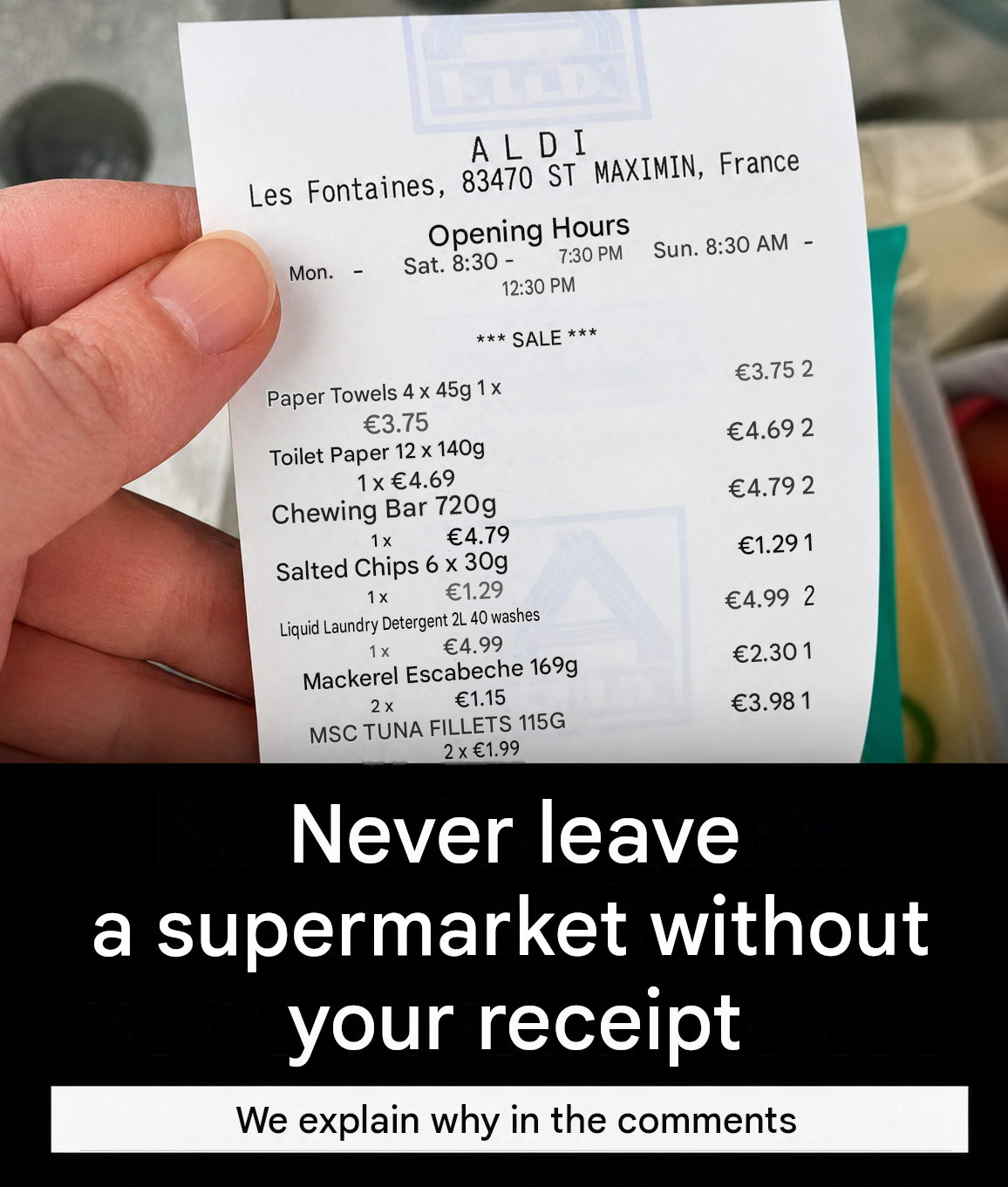
When shopping at popular discount retailers or supermarkets—such as Aldi in St. Maximin, France, where everyday essentials like paper towels, toilet paper, cleaning liquids, and pantry goods are stacked high—transactions happen at a blistering pace. Cashiers and automated scanners process dozens of items per minute. Under such speed, errors are bound to happen.
Consider a typical grocery run featuring household basics. Looking at a standard grocery slip, you might see a mix of items:
- Paper Towels: Listed at 3.75.
- Toilet Paper: Priced at 4.69.
- Chewing Bar: Priced at 4.79.
- Salted Chips: Listed at 1.29.
- Liquid Laundry Detergent: Priced at 4.99.
- Mackerel Escabeche: Listed at 2.30.
- MSC Tuna Fillets: Priced at 3.98.
If a scanner mistakenly rings up an item twice, or if a promotional sale price fails to register at checkout, an extra few euros or dollars can quietly slip out of your wallet. Without the physical or digital receipt in hand, disputing these errors becomes nearly impossible once you walk out the sliding glass doors.
Protecting Your Finances Against Pricing Discrepancies
Price scanning errors are far more common than most consumers realize. Retail databases are massive, and promotional discounts change weekly or even daily. If a shelf tag displays a discounted promotional price, but the central computer system has not updated yet, the register will default to the higher base price.
Legal and Consumer Rights
Consumers have legal protections against misleading pricing and deceptive retail practices. If an item scans at a higher price than advertised on the shelf, consumer protection laws in many jurisdictions entitle you to a correction or a refund. However, holding the receipt is your only concrete proof of purchase and pricing at the exact moment of transaction. Without it, store management has no obligation to verify your claim.
Budgeting, Expense Tracking, and Financial Health
Managing household expenses effectively requires accurate data. If you are trying to cut back on discretionary spending or optimize your monthly budget to free up cash for investments, retirement accounts, or savings, tracking your grocery expenses is foundational.
- Categorizing Spending: Keeping receipts allows you to separate essential grocery items from non-essential purchases, giving you a crystal-clear picture of where your money goes.
- Price Comparison: By retaining receipts over several weeks, you can track inflation trends and compare prices across different supermarkets in your local area.
- Tax and Business Deductions: If you purchase supplies for a home-based business, legal services office, or educational project, keeping itemized receipts is mandatory for accurate accounting and compliance.
Practical Tips for Managing Supermarket Receipts
To ensure you stay protected without drowning in a sea of crumpled paper, adopt a smart, minimalist receipt management strategy:
1. Spot-Check at the Register
Before leaving the checkout lane or packing your bags into your vehicle, take five seconds to glance down the itemized list on your receipt. Verify that multi-pack items or sale discounts were applied correctly.
2. Transition to Digital Alternatives
Many modern supermarkets offer digital receipts sent via email, SMS, or integrated into a store loyalty app. These digital copies cannot fade, are easy to search, and reduce paper waste while keeping your financial records organized.
3. Establish a Weekly Review Habit
If you prefer physical receipts, designate a small container or envelope at home to store them throughout the week. Review them during your weekly budgeting session before filing or recycling them.
Interesting Facts About Retail Receipts
- Thermal Paper Chemistry: Most modern store receipts are printed on thermal paper coated with chemicals like BPA or BPS, which react to heat to produce text without ink. This is why receipts fade when exposed to sunlight or heat.
- The History of Cash Registers: The cash register was invented in the 19th century primarily to prevent employee theft, and the attached paper receipt was introduced soon after to give customers physical proof of their transaction value.
- Billions of Transactions: Supermarkets process billions of transactions globally every single day, making automated scanning and receipt generation one of the highest-volume data processing tasks in the retail industry.
Conclusion
Never underestimate the power of a simple supermarket receipt. Whether it saves you a few euros on household goods, protects you from an accidental overcharge, or helps you maintain strict control over your household finance and budgeting goals, taking thirty seconds to secure your receipt pays off. Build the habit of checking your purchases before you leave, protect your hard-earned money, and shop with confidence.
Frequently Asked Questions (FAQ)
What should I do if I notice an overcharge on my receipt?
Take the receipt and the item directly to the customer service desk immediately. Most supermarkets will quickly verify the error and issue a cash or card refund for the difference.
Are digital receipts legally valid for returns and exchanges?
Yes. Major retailers widely accept digital receipts from apps or emails as valid proof of purchase for returns, exchanges, and warranty claims.
Why do supermarket receipts fade over time?
Supermarket receipts use thermal paper that reacts to heat rather than traditional ink. Storing them in warm environments, direct sunlight, or near heat sources causes the chemical coating to darken, making the text disappear.
