
Introduction
Encountering a snake in the wild or even in your backyard can trigger an instant surge of adrenaline and panic. Whether you are enjoying an outdoor hike, gardening, or traveling through rural landscapes, understanding how to respond to a wildlife encounter is crucial for personal safety and health. Across the internet, viral health guides frequently highlight the visual differences between venomous and non-venomous snake species, teaching outdoor enthusiasts how to recognize danger signs.
When an unexpected snakebite occurs, knowing the difference between a venomous and a non-venomous bite can mean the difference between minor panic and a serious medical emergency. In this comprehensive guide, we will examine the physical identifiers of snake species, what bite marks reveal, essential first-aid steps, and how proper medical preparation and health insurance planning protect you and your family when emergencies strike.
Decoding Snakebites: Venomous Versus Non-Venomous Characteristics
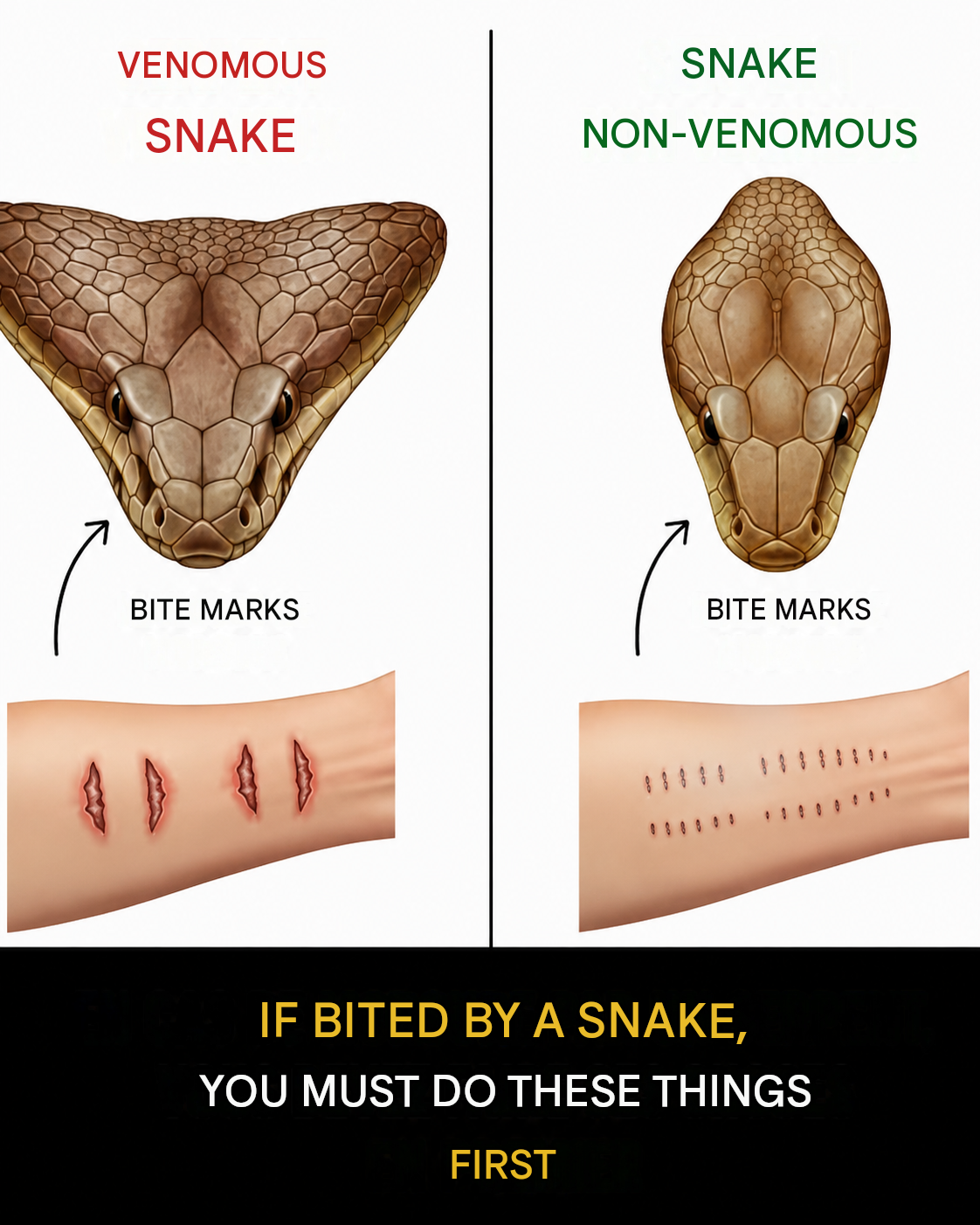
Visual guides often emphasize specific physical traits to help people differentiate between dangerous and harmless snakes. While these general rules of thumb are helpful, herpetologists and medical professionals always advise caution, as exceptions exist in nature.
1. Head Shape and Facial Structure
- Venomous Snakes: Often characterized by a wider, triangular head shape, which accommodates venom glands located on the sides of the jaw.
- Non-Venomous Snakes: Typically feature a more slender, oval-shaped head that blends more smoothly into the neck.
2. Bite Mark Patterns
The physical impression left on the skin provides the most immediate clue regarding the nature of the encounter:
- Venomous Snakebites: Generally leave distinct puncture wounds or deep slash-like incisions caused by long, hollow venom-delivering fangs.
- Non-Venomous Snakebites: Leave a series of small, uniform rows of tiny teeth marks without the deep puncture wounds characteristic of vipers or elapids.
Immediate First-Aid Steps for Snakebites
If you or someone near you is bitten by a snake, taking calm, decisive, and medically sound actions is vital. Misguided folklore remedies—such as cutting the wound, attempting to suck out venom, or applying tourniquets—can cause severe tissue damage and worsen the injury.
Instead, follow these critical emergency steps:
- Move to Safety: Gently step away from the snake to prevent a secondary strike. Never attempt to capture, kill, or handle the snake, as even a severed head can reflexively bite.
- Stay Calm and Immobile: Keep the affected limb immobilized and at or below heart level to slow the circulation of any potential venom through the lymphatic system.
- Remove Constrictive Items: Take off rings, watches, bracelets, or tight clothing near the bite area immediately, as swelling will quickly occur.
- Clean the Wound Gently: Wash the bite area with soap and clean water if available, and cover it with a clean, dry dressing.
- Seek Emergency Medical Care: Transport the victim to the nearest hospital or medical facility immediately. Professional medical treatment, antivenom administration, and monitoring by qualified physicians are essential.
Health Insurance and Emergency Medical Preparedness
Medical emergencies involving wildlife encounters can result in unexpected expenses, including ambulance transport, emergency room admission, specialized antivenom treatments, and follow-up legal or medical consultations. Ensuring you have robust health insurance coverage and emergency savings is an important aspect of overall financial and physical wellbeing.
Reviewing your policy terms with an insurance broker or legal services professional ensures you are fully protected against high out-of-pocket medical costs when unexpected accidents happen.
Practical Tips for Outdoor Safety
Prevention is always the best defense when exploring natural habitats. Incorporate these practical habits into your outdoor routines:
1. Wear Proper Footwear
Always wear sturdy boots and long pants when walking through tall grass, dense brush, or rocky terrain where snakes may camouflage themselves.
2. Watch Where You Step and Reach
Never place your hands or feet blindly under rocks, inside hollow logs, or behind thick vegetation. Use a walking stick to rustle brush ahead of you on trails.
3. Clear Yard Debris
Keep your lawn mowed, woodpiles elevated, and brush cleared away from your home’s foundation to discourage snakes from nesting near living areas.
Interesting Facts About Snakes
- Cold-Blooded Adaptation: Snakes are ectothermic, meaning they rely on external environmental temperatures to regulate their body heat, which is why they frequently bask on warm rocks or trails.
- Sensing the World: Snakes do not have external ears; instead, they “hear” by picking up ground vibrations through their jawbones, and they use their forked tongues to collect airborne chemical particles for navigation.
- Global Diversity: There are over 3,000 known snake species distributed across every continent except Antarctica, with only a fraction possessing venom capable of harming humans.
Conclusion
Encountering a snake can be alarming, but remaining calm and knowing the facts makes all the difference. By understanding the visual differences between venomous and non-venomous species, recognizing bite patterns, and following proper first-aid protocols, you can protect yourself and others in an emergency. Stay vigilant, prioritize safety during outdoor adventures, and ensure your health and medical preparedness are always up to date.
Frequently Asked Questions (FAQ)
What should I do immediately after a snakebite?
Move away from the snake, stay calm, keep the bitten limb immobilized below heart level, remove tight jewelry, and seek emergency medical attention immediately.
Do all venomous snakes have triangular heads?
While many venomous snakes (such as pit vipers) have broad, triangular heads, certain venomous species like coral snakes have slender, rounded heads, meaning physical appearance alone should never be relied upon for identification.
Should I try to suck the venom out of a snakebite?
No. Medical experts strongly advise against cutting the wound, applying suction, using tourniquets, or applying ice, as these methods are ineffective and can cause severe tissue damage.
